

Saudi Arabia’s Washington Visit: A New Chapter in a Strategic Economic Partnership
By Deborah Lehr
November 25, 2025
Crown Prince Mohammed bin Salman’s recent visit to Washington

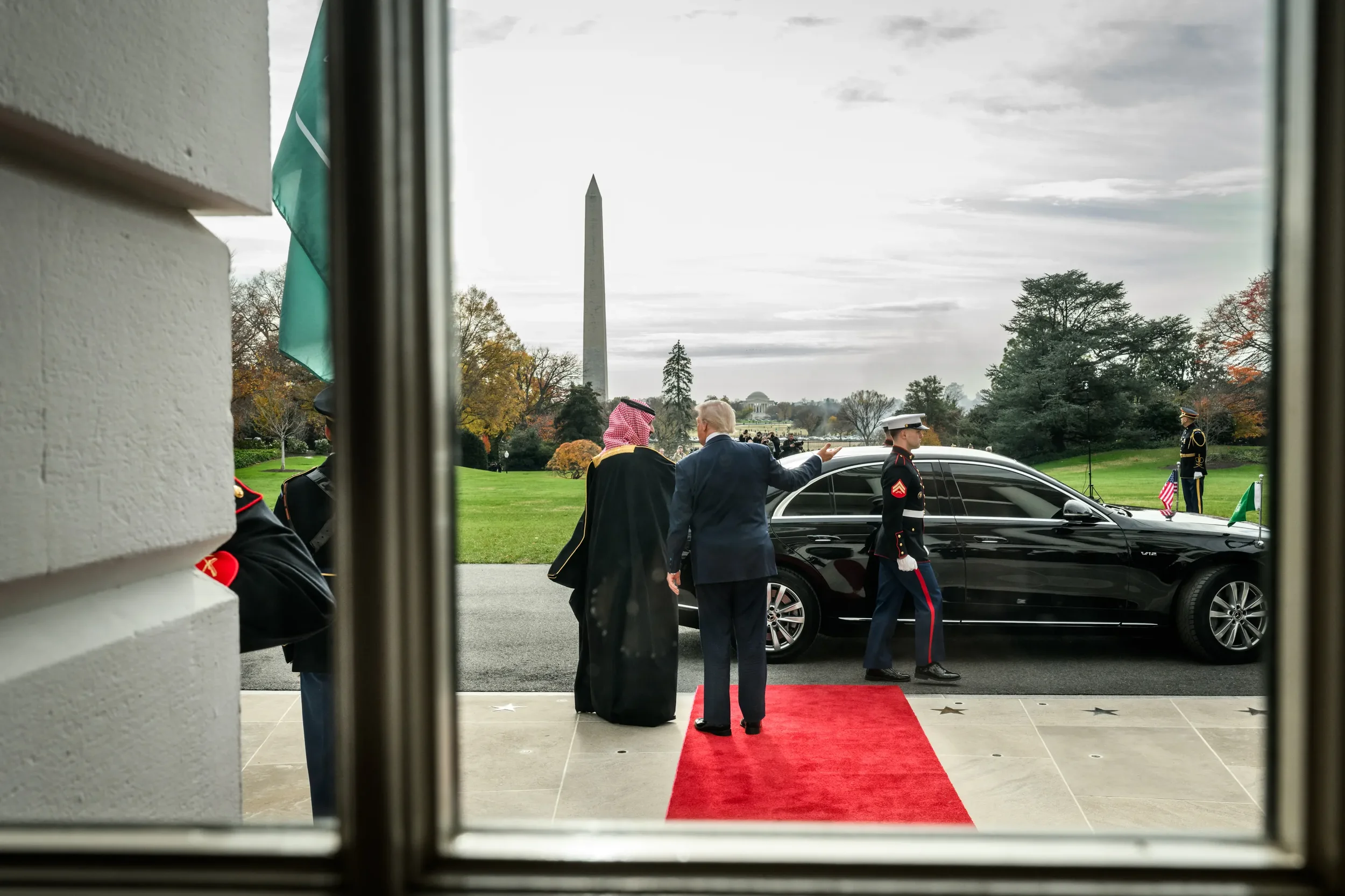
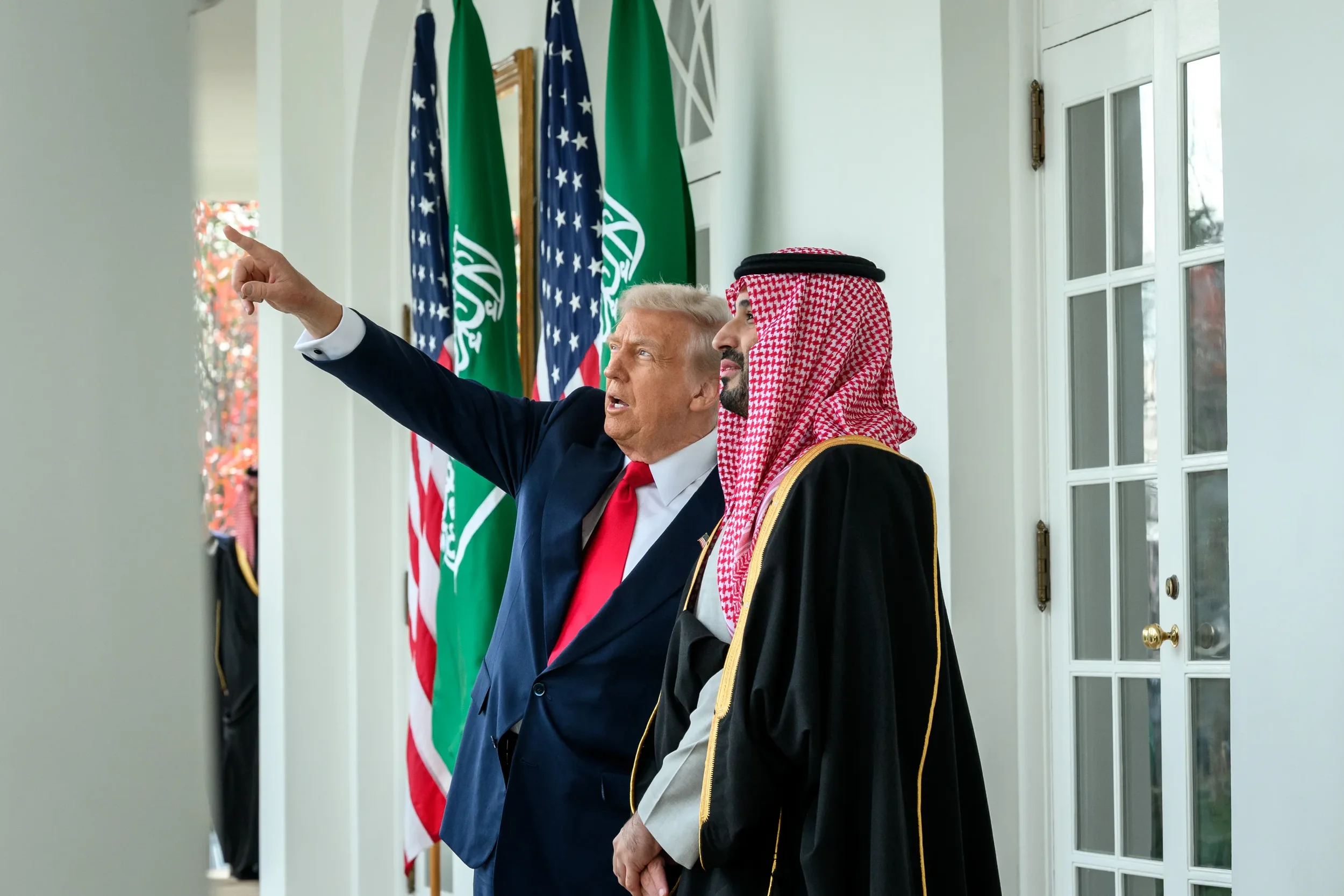
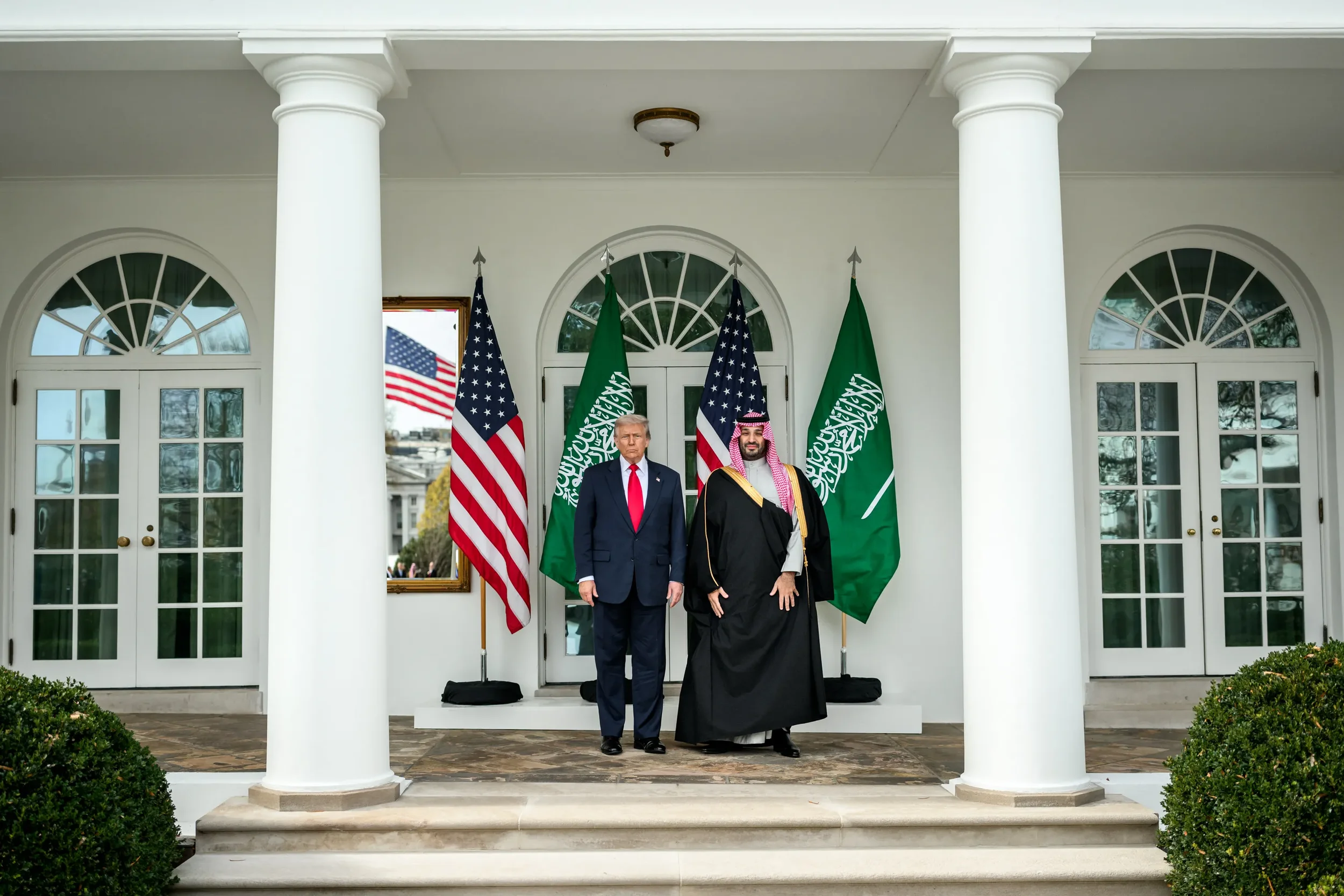
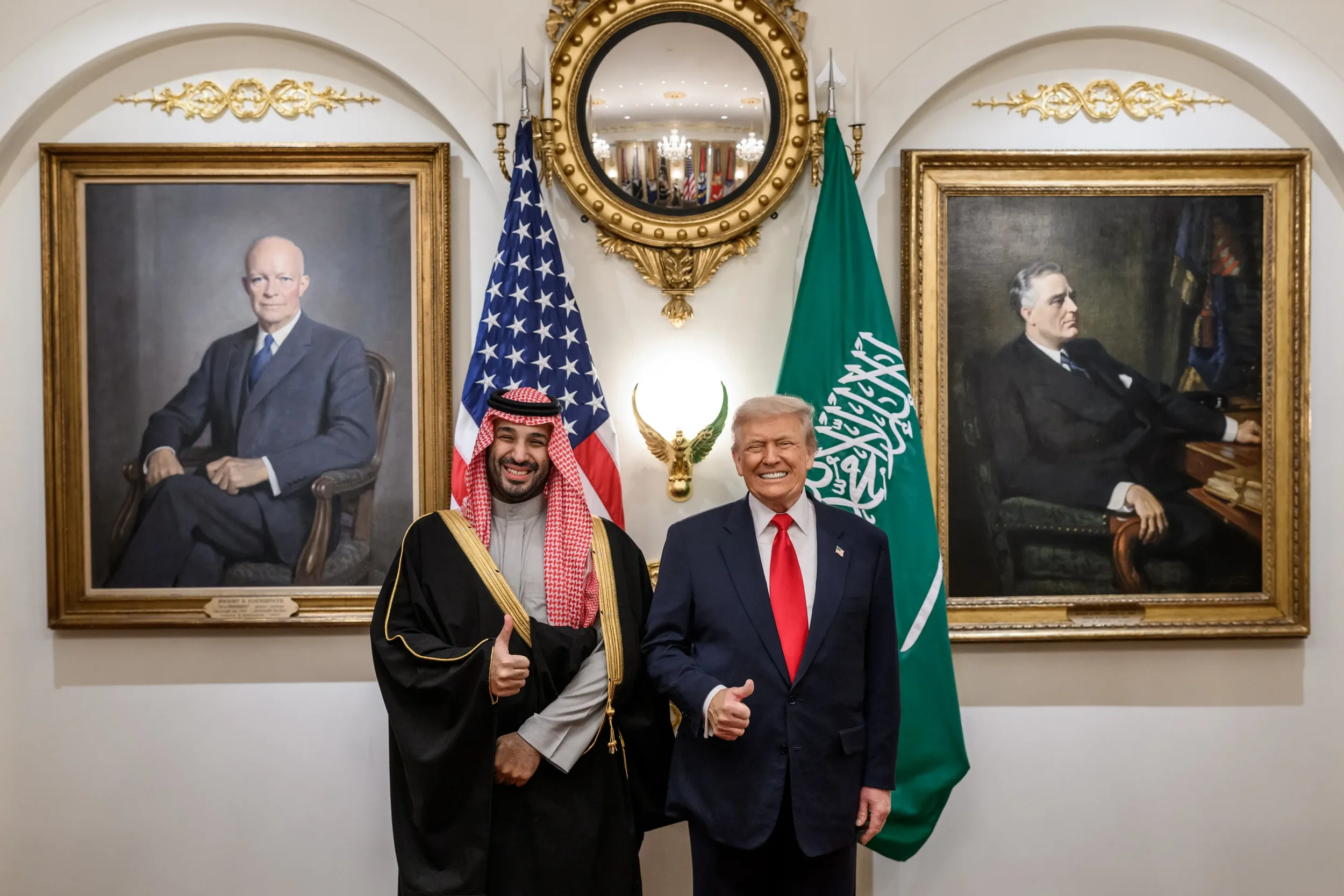
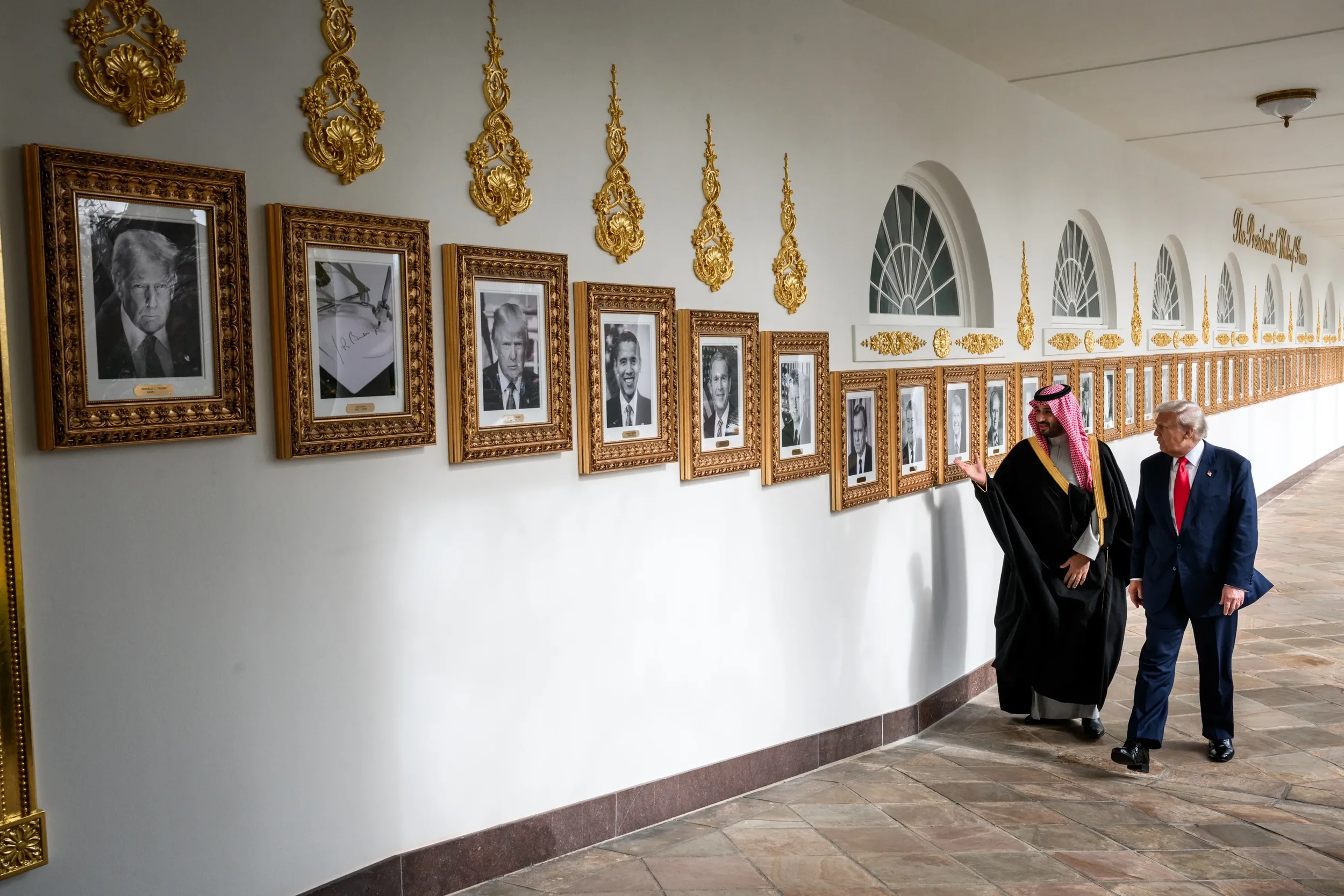
President Donald Trump participates in a bilateral meeting with Crown Prince and Prime Minister Mohammed bin Salman Al Saud of Saudi Arabia on November 18, 2025.
A headline commitment: $1 trillion in Saudi investment pledges in the United States
One of the headline commitments was the announcement of $1 trillion in Saudi investment pledges in the United States, a clear marker of how central the American market remains to the Kingdom’s future.
China may be Saudi Arabia’s largest trading partner, but the United States is still its most important, especially for technology, innovation, capital markets, and advanced industry—core pillars of the Kingdom’s economic transformation.
Inside Saudi Arabia the pace of change continues to accelerate.
Foreign direct investment has risen nearly 400 percent in the past five years, according to the Minister of Investment. Traditionally a major exporter of capital, Saudi Arabia is now working aggressively to attract it. This shift reflects a series of reforms designed to make the Kingdom a competitive global business destination: streamlined commercial regulations, simplified licensing, a “one-stop service” model for market entry, permission for 100% foreign ownership in key sectors, and the opening of the real estate market to international investors. Taken together, these steps are reshaping the operating environment for global firms.
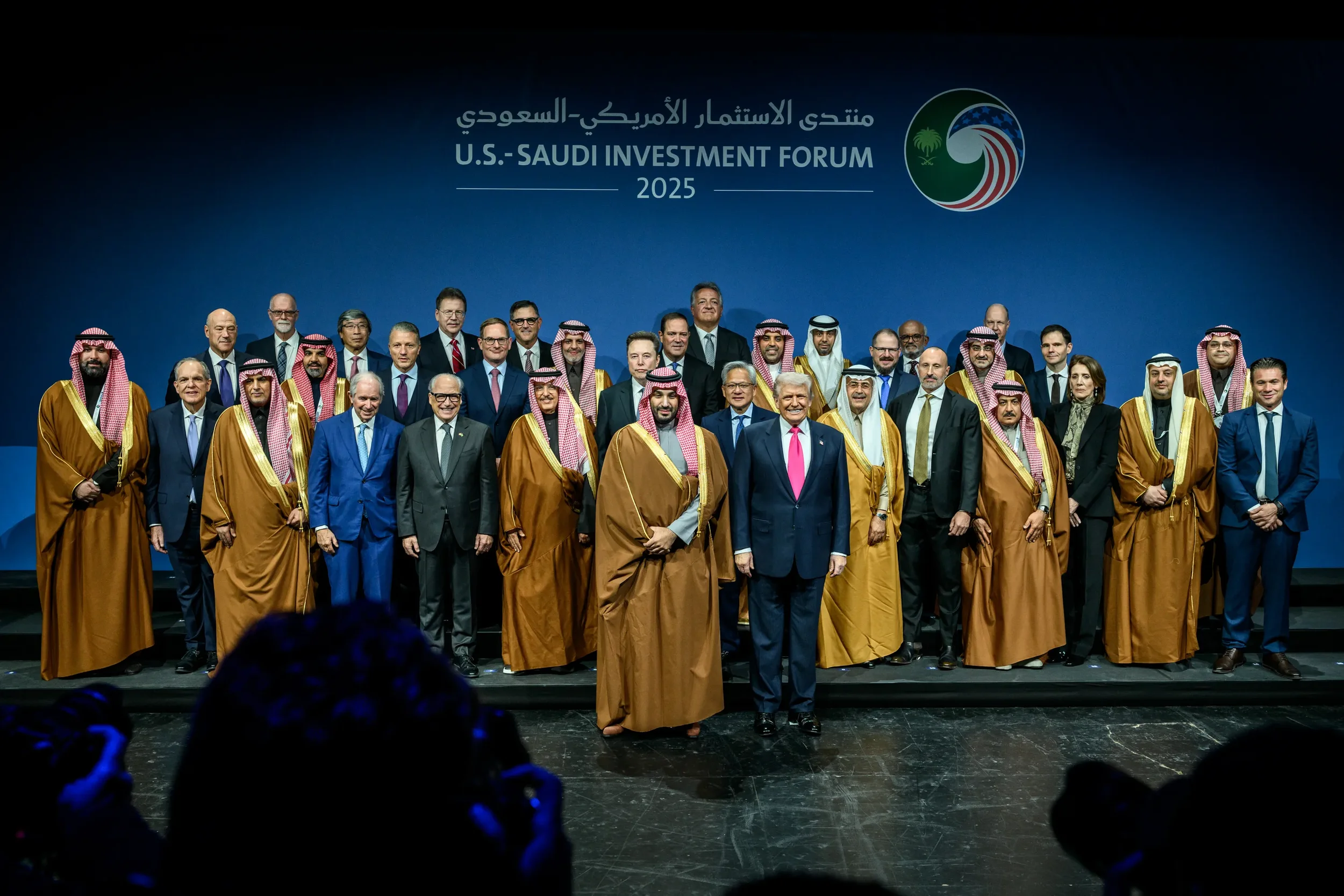
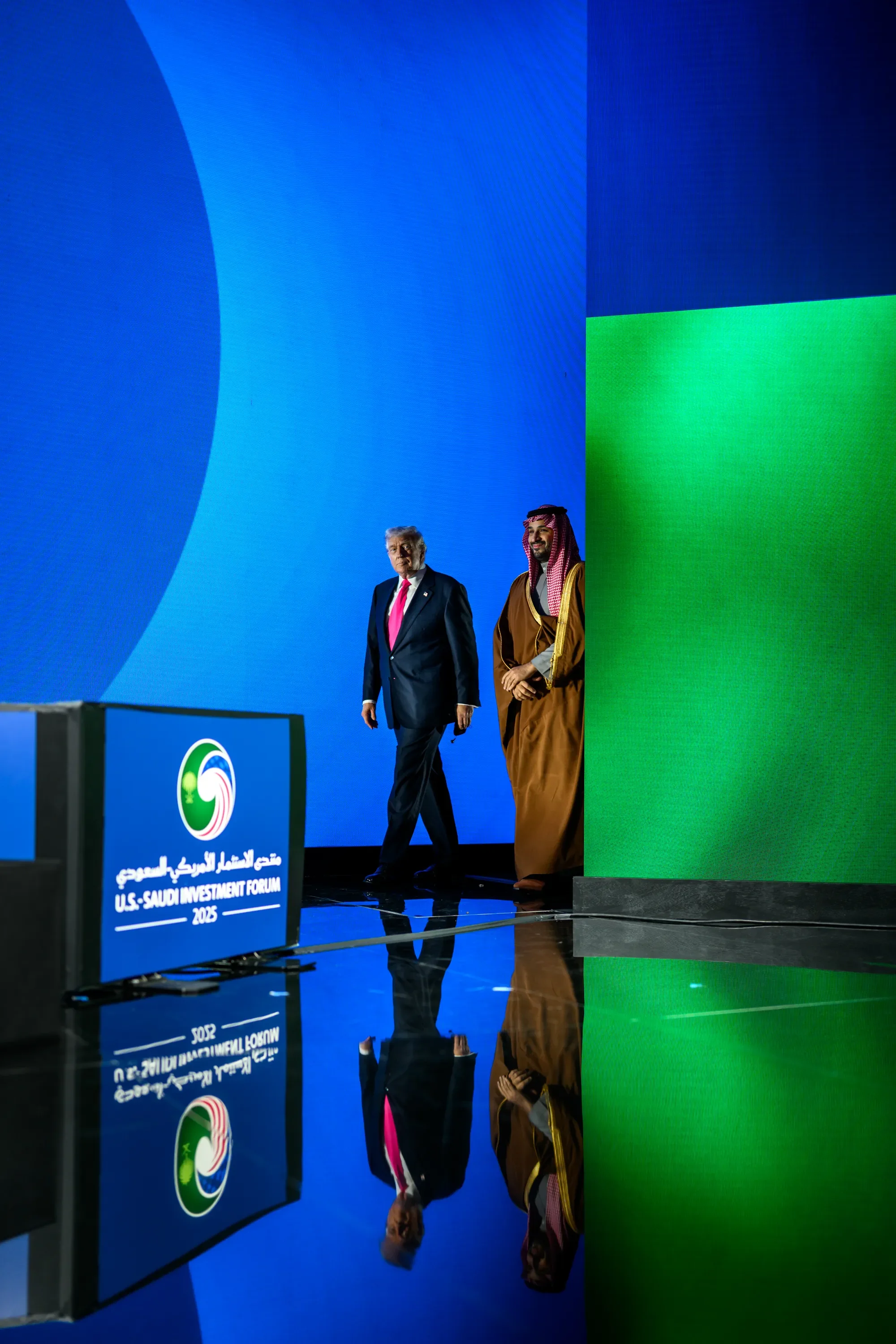
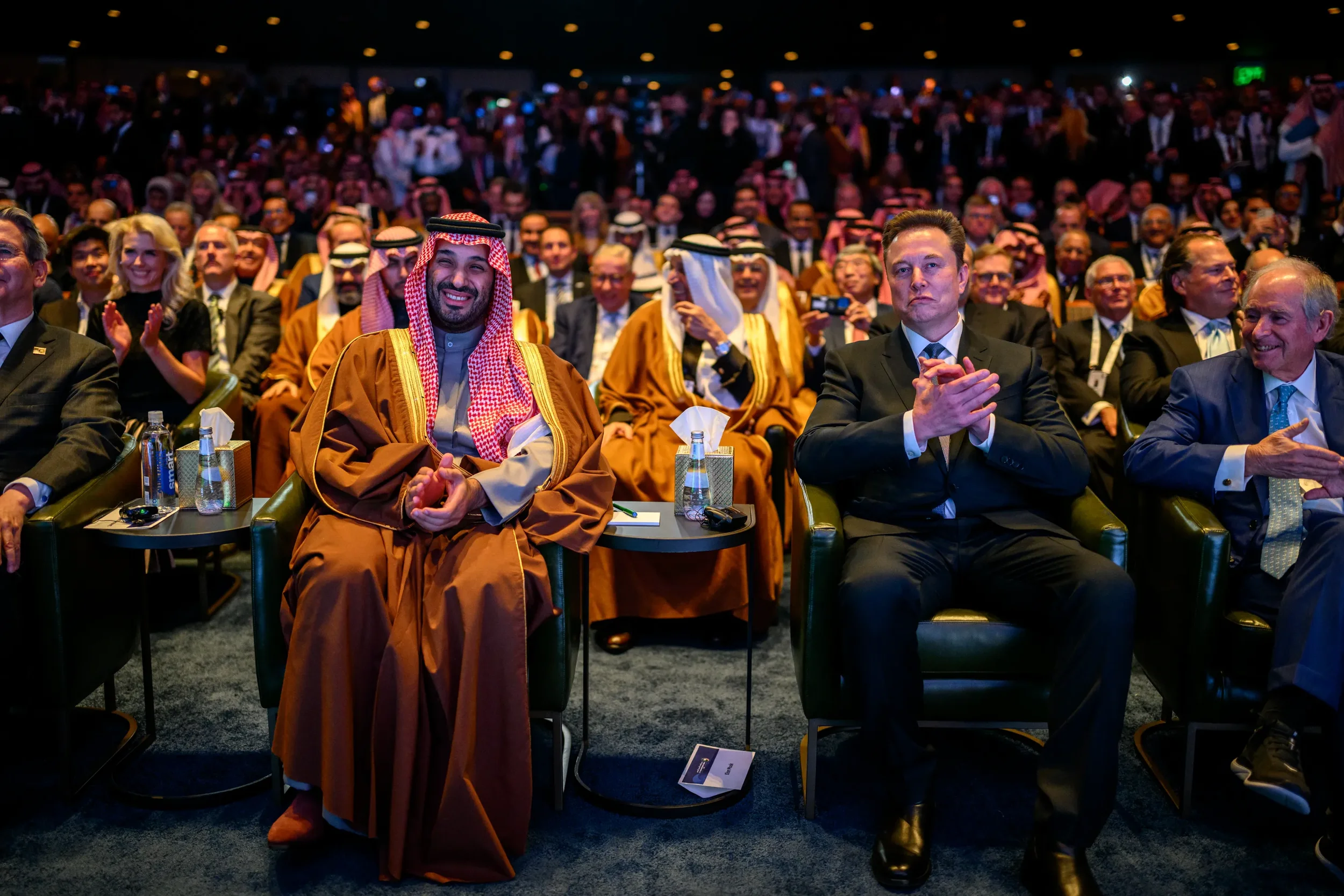
President Donald Trump delivers remarks at the U.S.-Saudi Investment Forum on November 19, 2025.
The Kingdom is also positioning itself as the “Plus One” in the China-plus-one strategy. With unmatched geography linking Asia, Africa, and Europe, Saudi Arabia is aiming to become the Middle East’s primary logistics hub and a bridge for global supply chains. Simultaneously, new opportunities across mining, mineral exploration, advanced manufacturing, tourism, sports, conservation, and biodiversity are drawing international attention and investment.

President Donald Trump delivers remarks at a dinner for Crown Prince and Prime Minister Mohammed bin Salman Al Saud of Saudi Arabia on November 18, 2025.
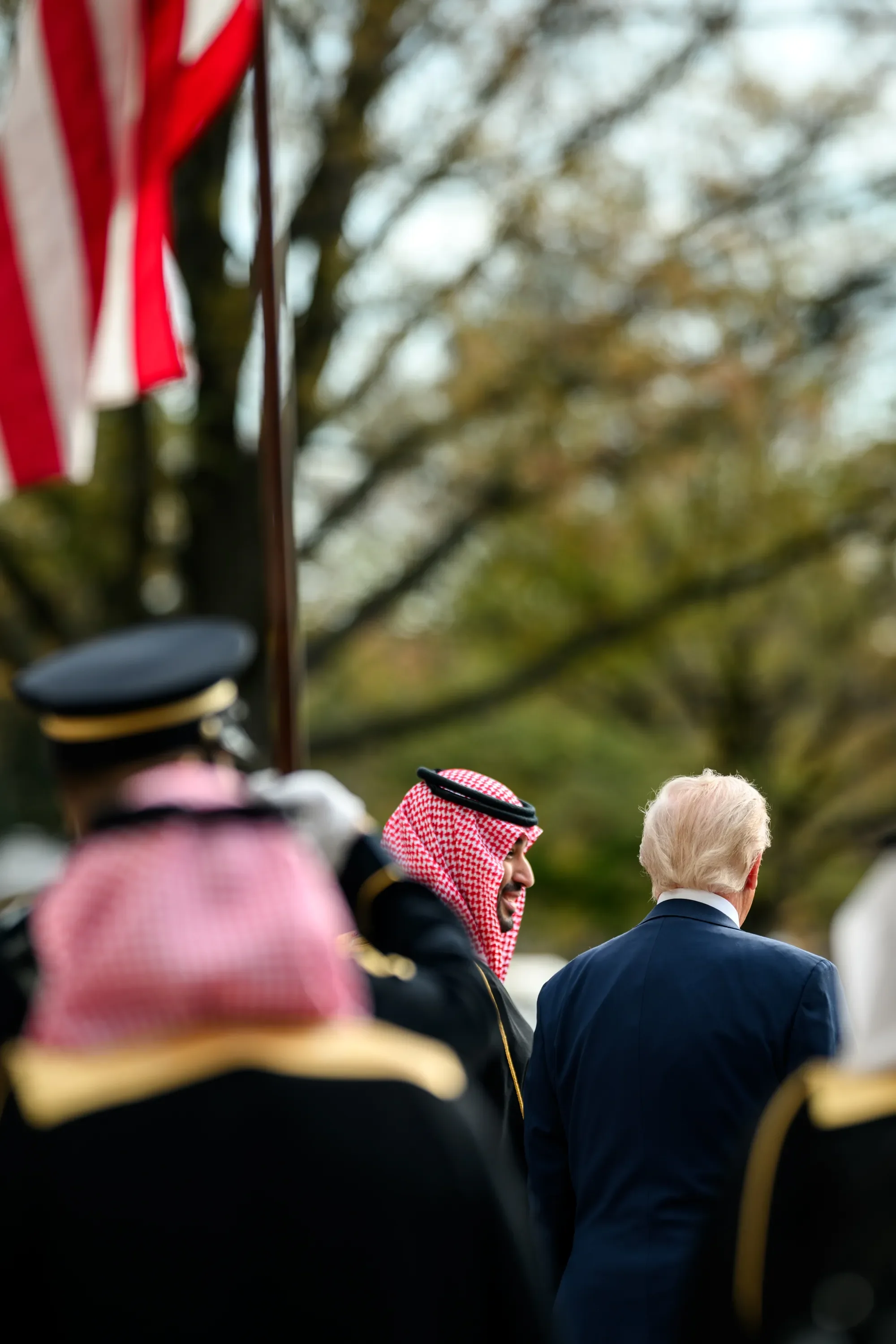
President Donald Trump participates in a bilateral meeting with Crown Prince and Prime Minister Mohammed bin Salman Al Saud of Saudi Arabia on November 18, 2025.
This visit underscored three key realities:
First, the U.S.–Saudi relationship is entering a new phase: security cooperation remains essential, but economic integration is becoming the real driver.
Second, the Kingdom’s transformation under Vision 2030 is creating openings that did not exist a decade ago—open markets, a young workforce, and a more business-friendly landscape.
Third, U.S. businesses have a unique opportunity to shape and benefit from this moment.
The Crown Prince’s visit signaled confidence at the highest levels in the partnership, in the economic agenda, and in the desire for greater American engagement.
For companies considering Saudi Arabia, this is the moment to take a fresh look. The door is open wider than ever, and the momentum is unmistakably forward.

Insights from Our Experts
Saudi Arabia’s Deepening Ties to the U.S. and What It Means for Investors
After President Trump gave a royal welcome to Saudi Arabia’s Crown Prince Mohammed bin Salman, the Kingdom’s strategic shift from petrochemicals to technology is expected to materialize in the form of investment. Break down what investors can expect with Basilinna’s Chair and CEO Deborah Lehr and Council on Foreign Relations’ Steven Cook.
Watch here