BASILINNA INSTITUTE
where deep expertise underpins our advisory
Our network of experts helps shape global policy, advises regulatory authorities, and counsels decision-makers on emerging issues.

OUR INSIGHTS
provide advanced knowledge
The institute delivers data-based insights and deep expertise to augment our advisory work. Our network of experts helps shape global policy, advises regulatory authorities, and counsels decision-makers on emerging issues.
Understanding China’s Pragmatic AI Plan
By Óscar Arcos, Executive Director
As trade, technology, and economic security increasingly reshape North American supply chains, where do you see the most overlooked opportunities for Mexico and companies operating there? Beyond nearshoring, what should businesses be doing now to position themselves for this new phase of regional integration?
By Jake E. Jennings, Chair of Technology and Trade
As trade, technology, and economic security increasingly reshape North American supply chains, where do you see the most overlooked opportunities for Mexico and companies operating there? Beyond nearshoring, what should businesses be doing now to position themselves for this new phase of regional integration?
By Abel Hibert, Senior Fellow
As trade, technology, and economic security increasingly reshape North American supply chains, where do you see the most overlooked opportunities for Mexico and companies operating there? Beyond nearshoring, what should businesses be doing now to position themselves for this new phase of regional integration?
By Jake E. Jennings, Basilinna Chair of Technology and Trade, Abel Hibert, Basilinna Senior Fellow, Oscar Arcos, Basilinna Executive Director
As trade, technology, and economic security increasingly reshape North American supply chains, where do you see the most overlooked opportunities for Mexico and companies operating there? Beyond nearshoring, what should businesses be doing now to position themselves for this new phase of regional integration?
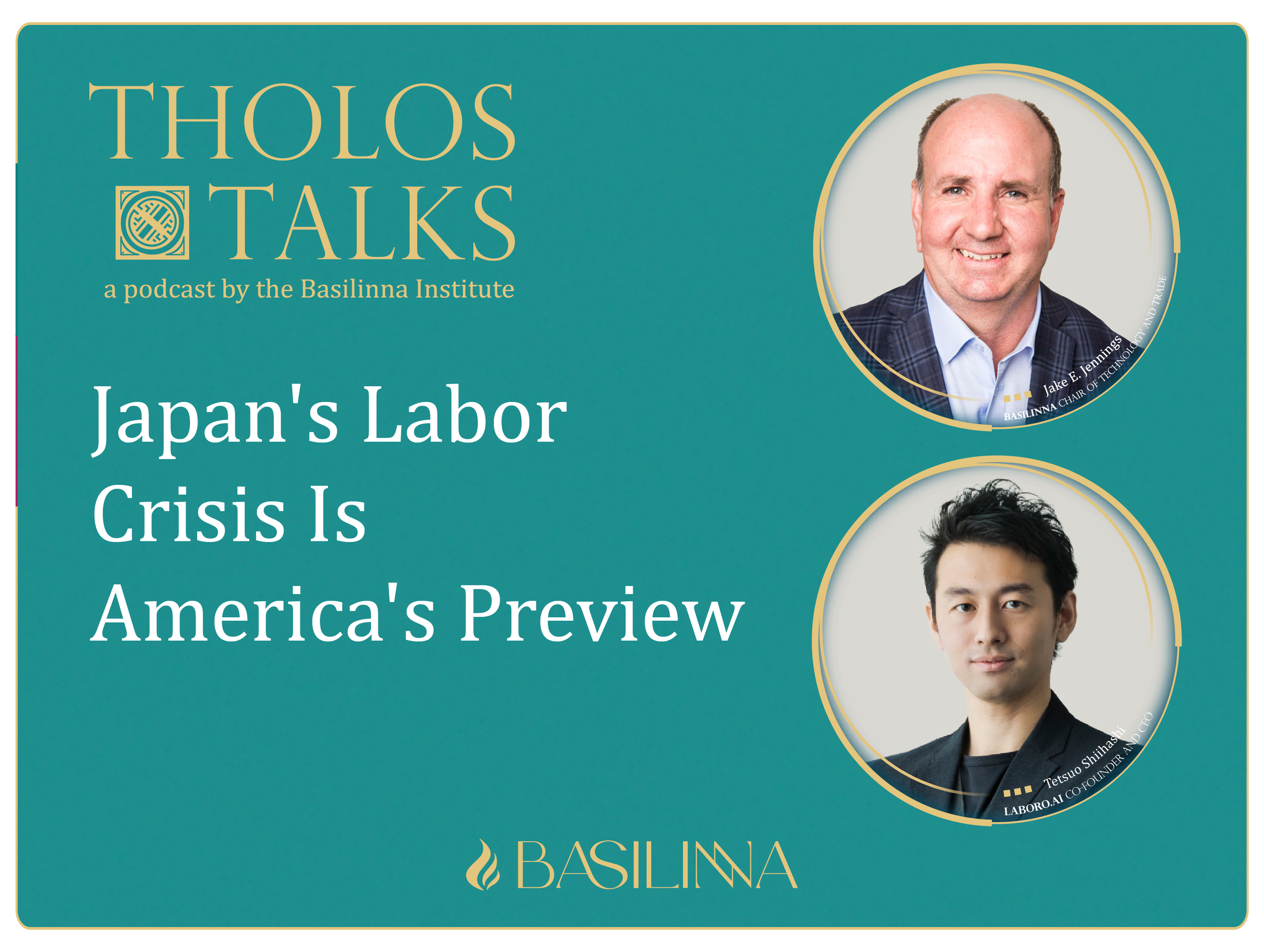
Hosted by Jake E. Jennings, Chair of Technology and Trade
As Japan confronts an aging workforce and shrinking labor pool, the country is becoming a real-world test case for how industrial economies can use AI to sustain productivity and competitiveness.
By the Basilinna Team
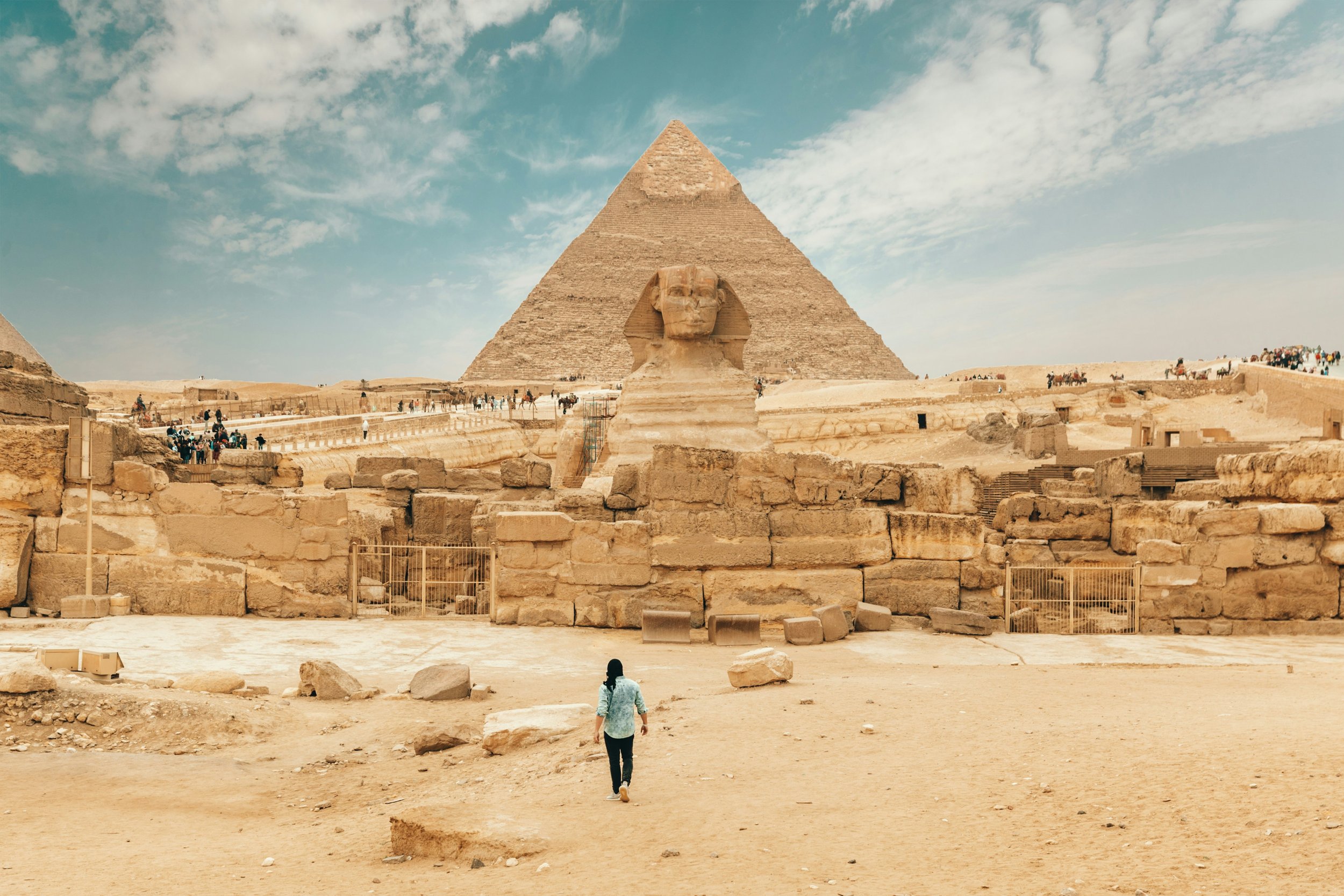
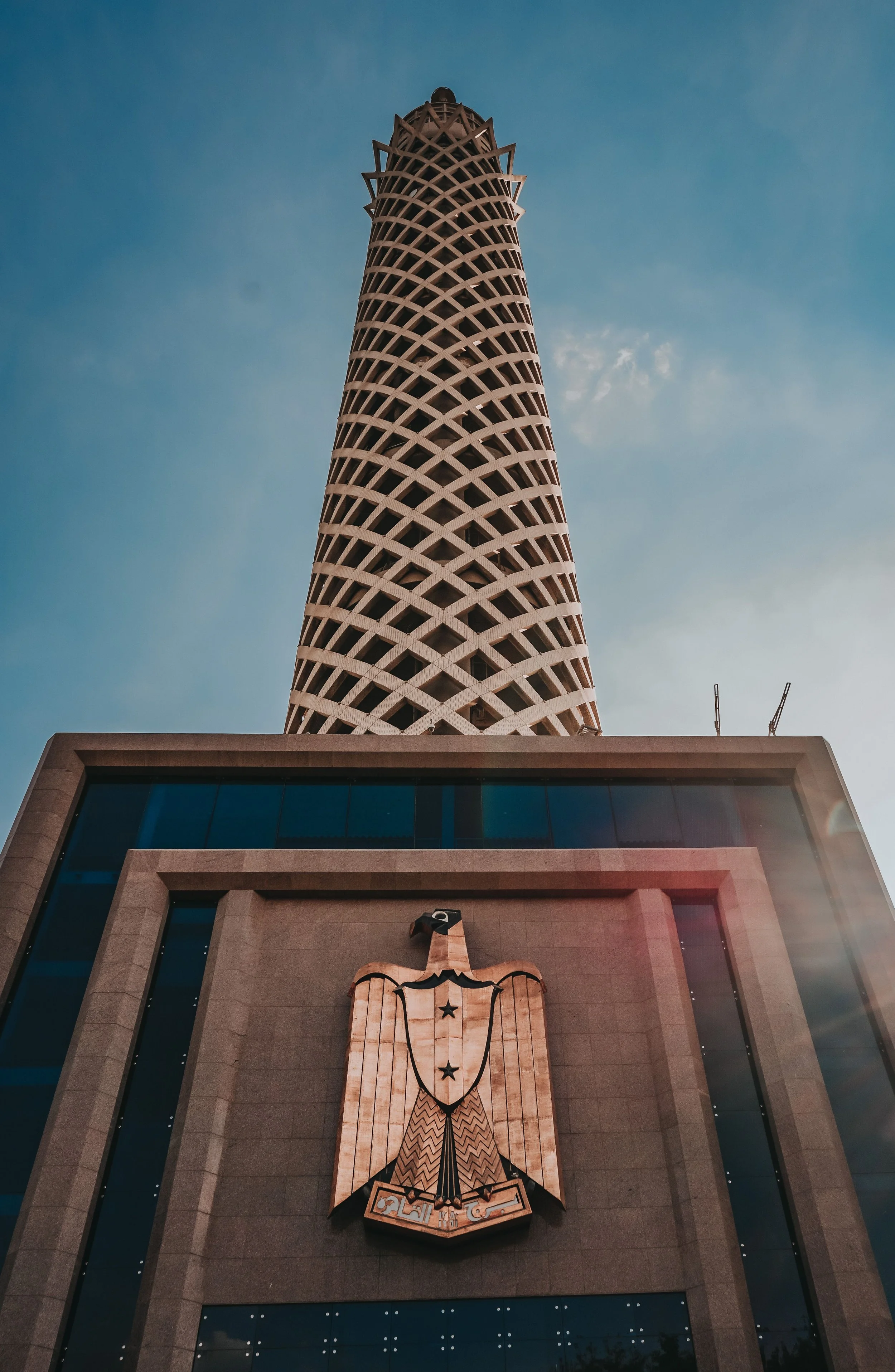
Chinese President Xi Jinping concluded a two-day state visit to Egypt this week, his first visit to the country in a decade. Marking 70 years of diplomatic relations between Egypt and China.
By Deborah Lehr, Chair and CEO
When President Xi Jinping arrived in Cairo this week for his first state visit to Egypt in a decade, trade, investment and geopolitics were inevitably high on the agenda. But Xi also made something else unusually prominent: culture.
By Jake E. Jennings, Chair of Technology and Trade
Canada’s Section 338 Tariffs Take Effect as Commerce Narrows Auto Relief and Bundles in Security: Commerce Secretary Lutnick’s late narrowing of Section 232 auto tariff relief to light vehicles, paired with a security-adjacent package on export controls, critical minerals, and defense, drove the talks’ collapse.
By Deborah Lehr, Chair and CEO
At a time of geopolitical competition and shifting alliances, China and the Arab world are finding common ground around a problem they share: the desert.
By the Basilinna Team
President Xi Jinping’s state visit to Egypt, his first in a decade, highlights China’s deepening economic and political engagement across MENA. But this does not mean the region is shifting from the United States to China. The U.S. remains the region’s primary defense and advanced technology partner, while China is increasingly central to trade, infrastructure, manufacturing and investment.
By Irina Bokova, Executive Director
As the United States approaches America 250, what opportunities do you see for culture to deepen U.S. engagement with the world? Where can culture have the greatest impact in strengthening international relationships and shaping global engagement in the decade ahead?
Hosted by Jake E. Jennings, Chair of Technology and Trade
How does one standard connect billions of phones in every country on Earth — and who decides what comes next? John Giusti steps into the Tholos Circle to break it down.
By Tess Davis Basilinna, Executive Director
What opportunities can culture create for deeper U.S. engagement with the world, and where can it have the greatest impact in the decade ahead?
By Yousra Abdelhameed, Basilinna Chief of Staff and Managing Director
What opportunities can culture create for deeper U.S. engagement with the world, and where can it have the greatest impact in the decade ahead?
By Dr. Stephen Browne, Basillina Expert
What opportunities can culture create for deeper U.S. engagement with the world, and where can it have the greatest impact in the decade ahead?
By Irina Bokova, Executive Director
What opportunities can culture create for deeper U.S. engagement with the world, and where can it have the greatest impact in the decade ahead?
By Deborah Lehr, Chair and CEO
What opportunities can culture create for deeper U.S. engagement with the world, and where can it have the greatest impact in the decade ahead?
By Deborah Lehr, Chair and CEO, Irina Bokova, Executive Director, Dr. Stephen Browne, Basillina Expert, Yousra Abdelhameed, Basilinna Managing Directorand Chief of Staff, Tess Davis, Basilinna Executive Director
What opportunities can culture create for deeper U.S. engagement with the world, and where can it have the greatest impact in the decade ahead?-part series, we examine where China's consumer economy stands today, how demand is shifting, and where more targeted progress could help unlock a new phase of growth.
By Jake E. Jennings, Chair of Technology and Trade
USMCA Compliance Offers No Shield From the Section 338 Tariffs: Canada and the United States closed out more than a dozen ministerial-level contacts without a deal.
By Chynna Hawes, Senior Vice President
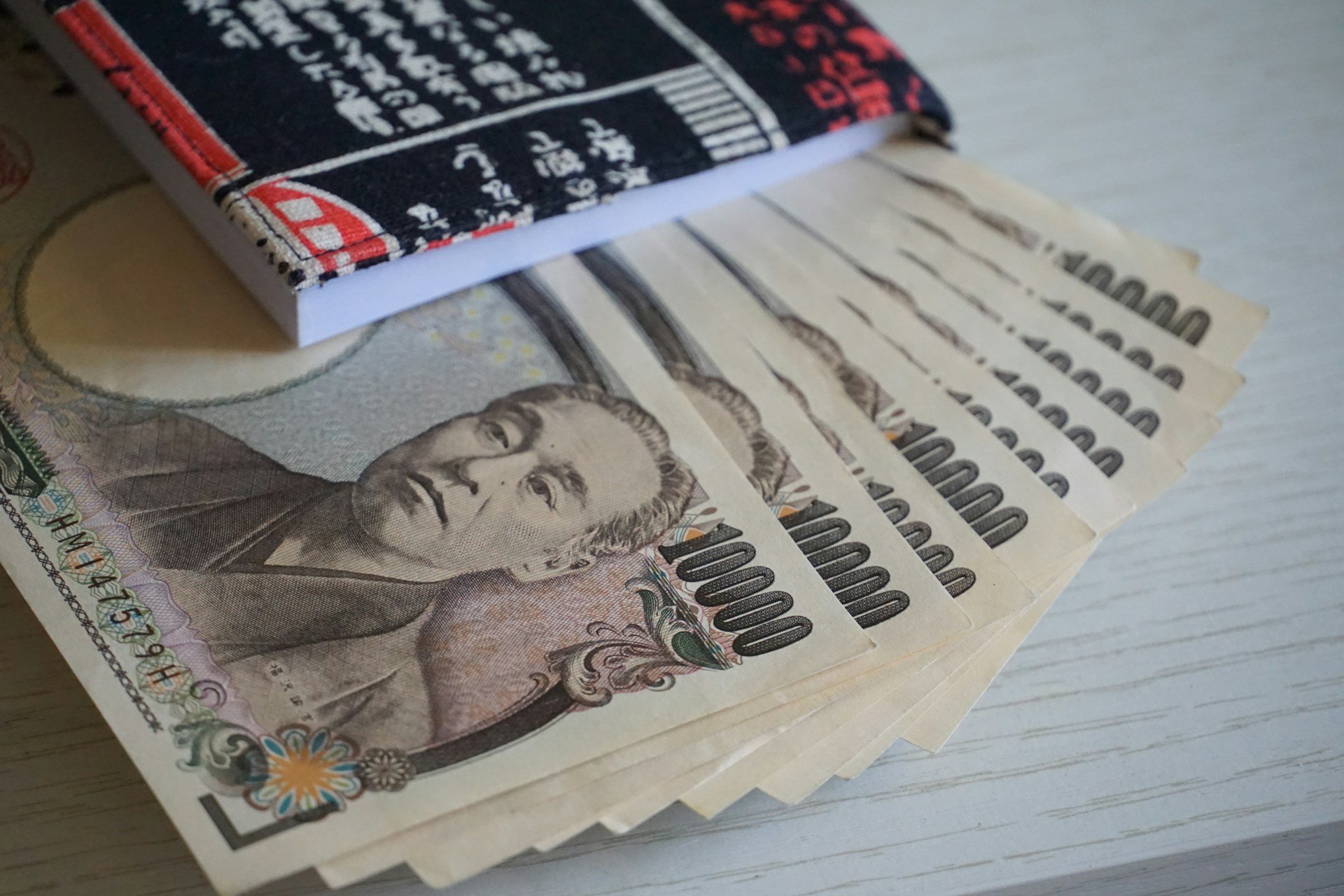
Earlier this month, the U.S. joined Japan in a rare effort to stabilize the yen after it weakened toward a 40-year low. Here is what happened, why it matters, and what it means for business.
By the Basilinna team
The interim U.S.–Iran memorandum of understanding signed in June remains suspended as a formal ceasefire but still provides the principal diplomatic framework for negotiations. Since late July, however, the conflict has entered another volatile phase in which military escalation and diplomacy have proceeded simultaneously.
By Jake E. Jennings, Chair of Technology and Trade
Tariff Risk Is Shifting Across Legal Authorities: Companies should map product-level exposure across Sections 301 and 338, preserve records supporting exclusions, and adjust contracts and sourcing before new duties take effect.
By Deborah Lehr, Chair and CEO
Recent geopolitical shocks have forced a fundamental reassessment of risk. War, supply chain disruptions, and rising fragmentation have shown that resilience can no longer be assumed, but it must be built. While attention has focused on geopolitical risk, climate risk, equally consequential, is now converging with it.
By Jake E. Jennings, Chair of Technology and Trade
Parallel Tariff Actions Require Flexible Planning; Importers should prepare for multiple duty scenarios by modeling procurement and pricing strategies against overlapping trade actions that could quickly alter landed costs across major sourcing markets.
By the Basilinna team
The conflict in Yemen has entered its twelfth year and remains one of the Middle East’s most strategically significant and politically complex crises.
By Jake E. Jennings, Chair of Technology and Trade
USMCA Uncertainty Opens Annual Advocacy Window: The shift to annual reviews converts a fixed 16-year renewal cycle into a recurring enforcement process.
By Jake E. Jennings, Chair of Technology and Trade
AI Access Controls Become a New Compliance Frontier: Companies developing, deploying, or integrating advanced AI systems should prepare for growing government expectations around customer verification, geographic restrictions, user screening, and rapid implementation of access-related directives.
By the Basilinna team
The United States and Iran signed an interim memorandum of understanding establishing a ceasefire, reopening the Strait of Hormuz, and creating a 60-day framework for negotiating a broader agreement.
By Ruihan Huang, Director
In the wake of the Trump-Xi Summit in Beijing, Basilinna's leading China experts respond to the question: which new stabilizing forces—or points of friction—are most likely to shape the U.S.-China relationship in the months ahead?
By Kendra Schaefer, Senior Fellow
In the wake of the Trump-Xi Summit in Beijing, Basilinna's leading China experts respond to the question: which new stabilizing forces—or points of friction—are most likely to shape the U.S.-China relationship in the months ahead?
our experts
propel our research forward
our network
expands our reach