What to Watch at the Trump-Xi Summit
China often develops catchy names and numbers for its major policy initiatives—wrapping up complex agendas and outcomes in short, repeatable constructs that shape how they are understood. What’s your "formula" for the Trump-Xi summit—what matters most, what each side wants, where a deal is possible, and where the real risks lie?
By Deborah Lehr, Leigh Wedell, Gracie Sun, Michael Wu, Peter Fraser, and Ruihan Huang
September 21, 2026
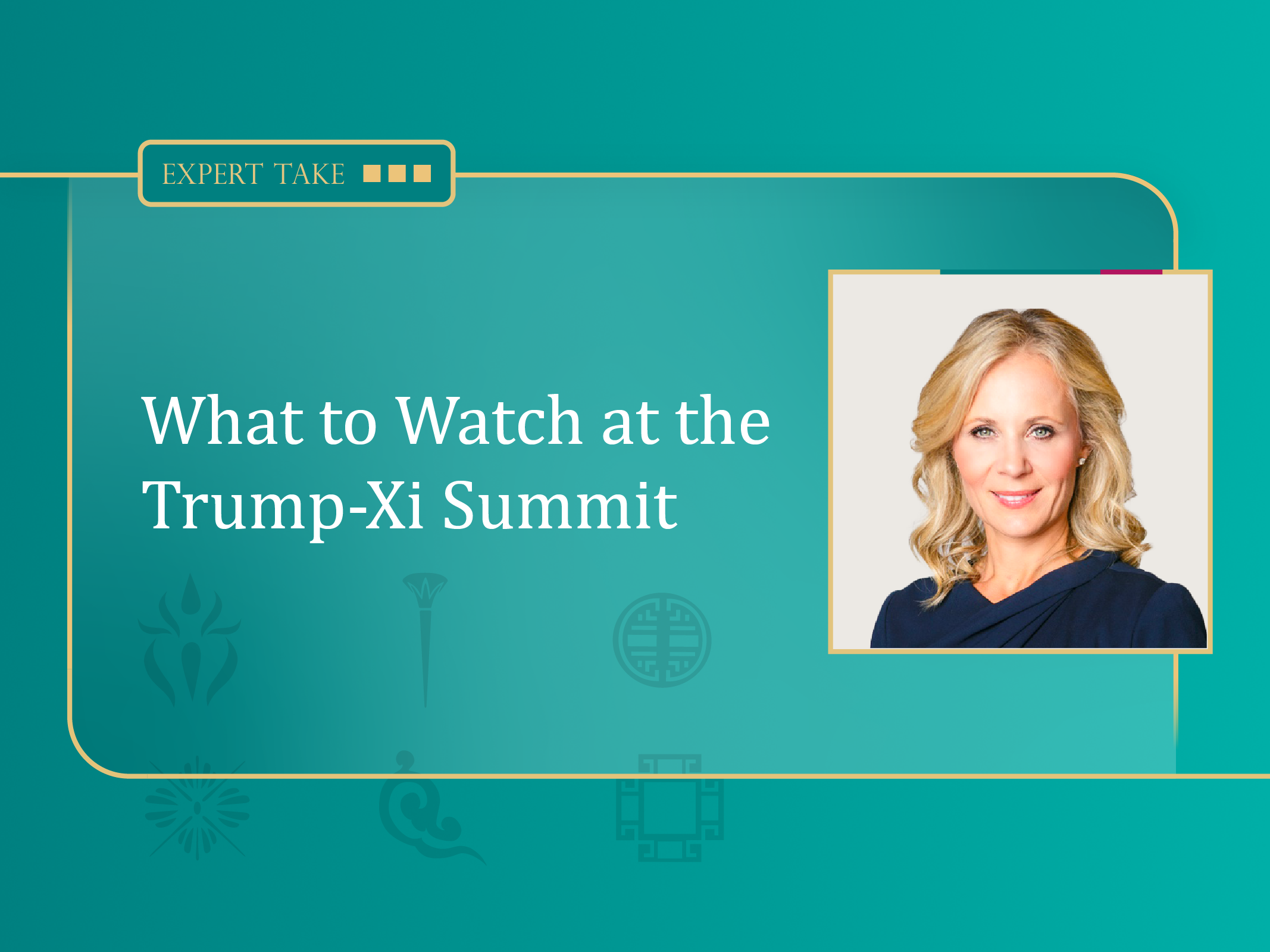
Deborah Lehr predicts the summit will produce the “Three Nos”: no rupture, no escalation, and no illusions. She argues that neither country can fully separate from the other, while guardrails are needed to keep competition over trade, technology, Taiwan, and security from becoming a crisis. Lehr cautions against expecting a grand bargain, instead defining success as managing enduring competition through strategic stability.
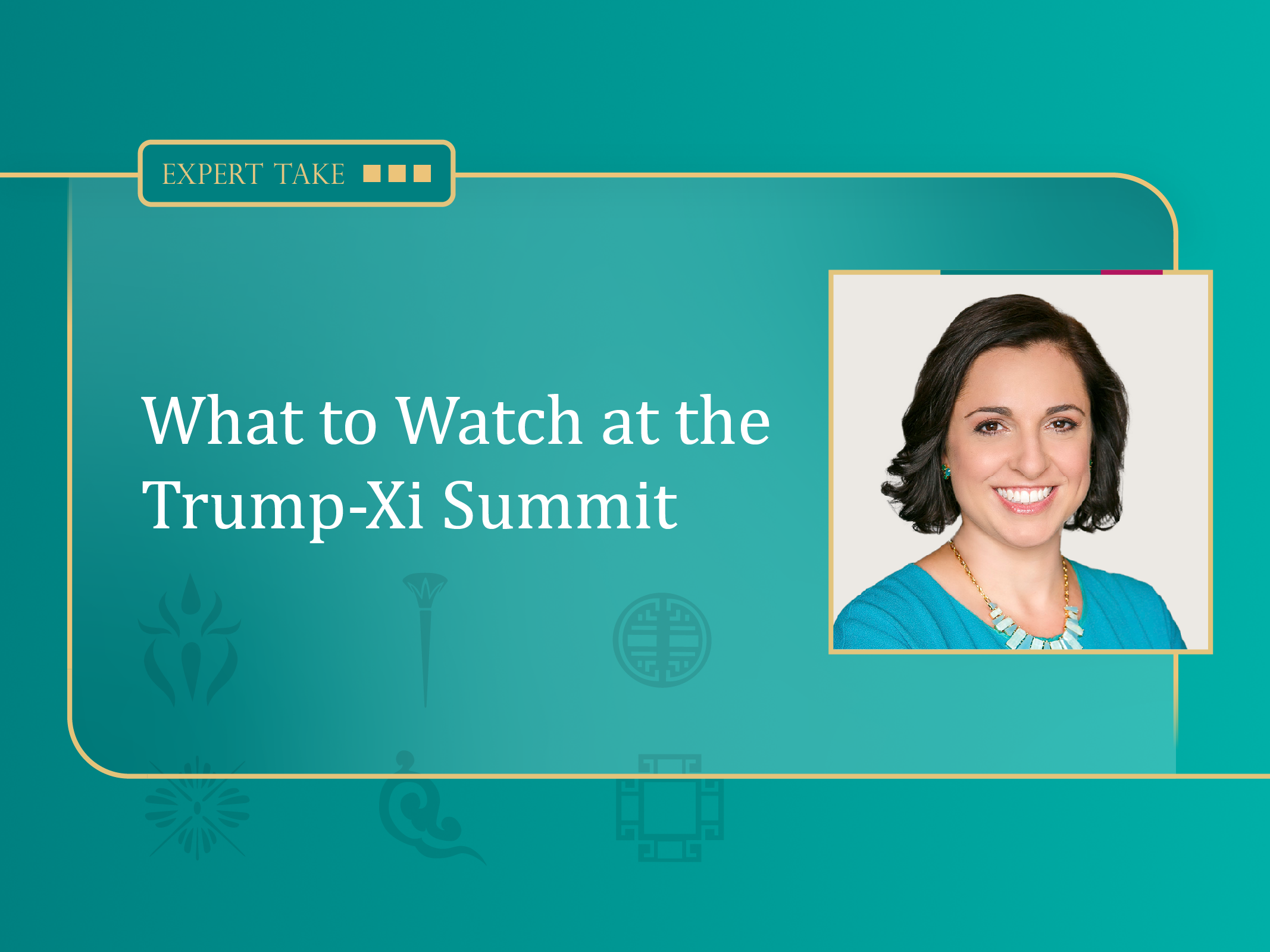
Leigh Wedell offers “Three Bs, and hold the I”: beans, beef, Boeing, and investment. She sees potential for commercial agreements that could strengthen bilateral trade and business confidence, while cautioning against high expectations for a formal investment mechanism. Wedell argues that the summit’s greatest value may be reinforcing stability and helping companies focus less on geopolitics and more on competing in China.
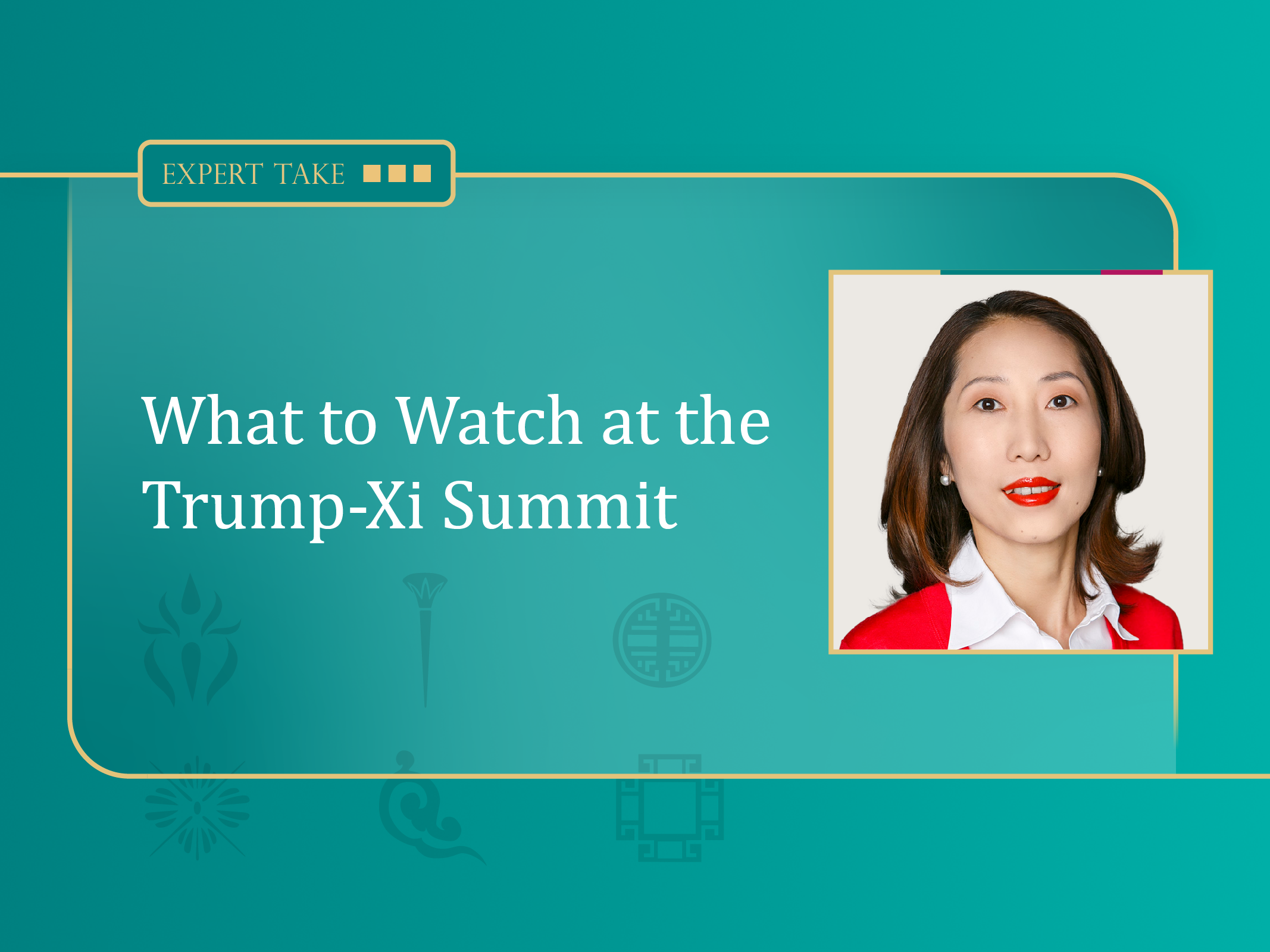
Gracie Sun identifies business, security, and redlines as the summit’s defining themes. She sees potential for limited progress on tariffs, exports, and other commercial issues, even as technology competition and national security concerns constrain broader agreement. Sun argues that the meeting itself represents an important step toward managing strategic differences, stabilizing the relationship, and extending its current “grace period.”
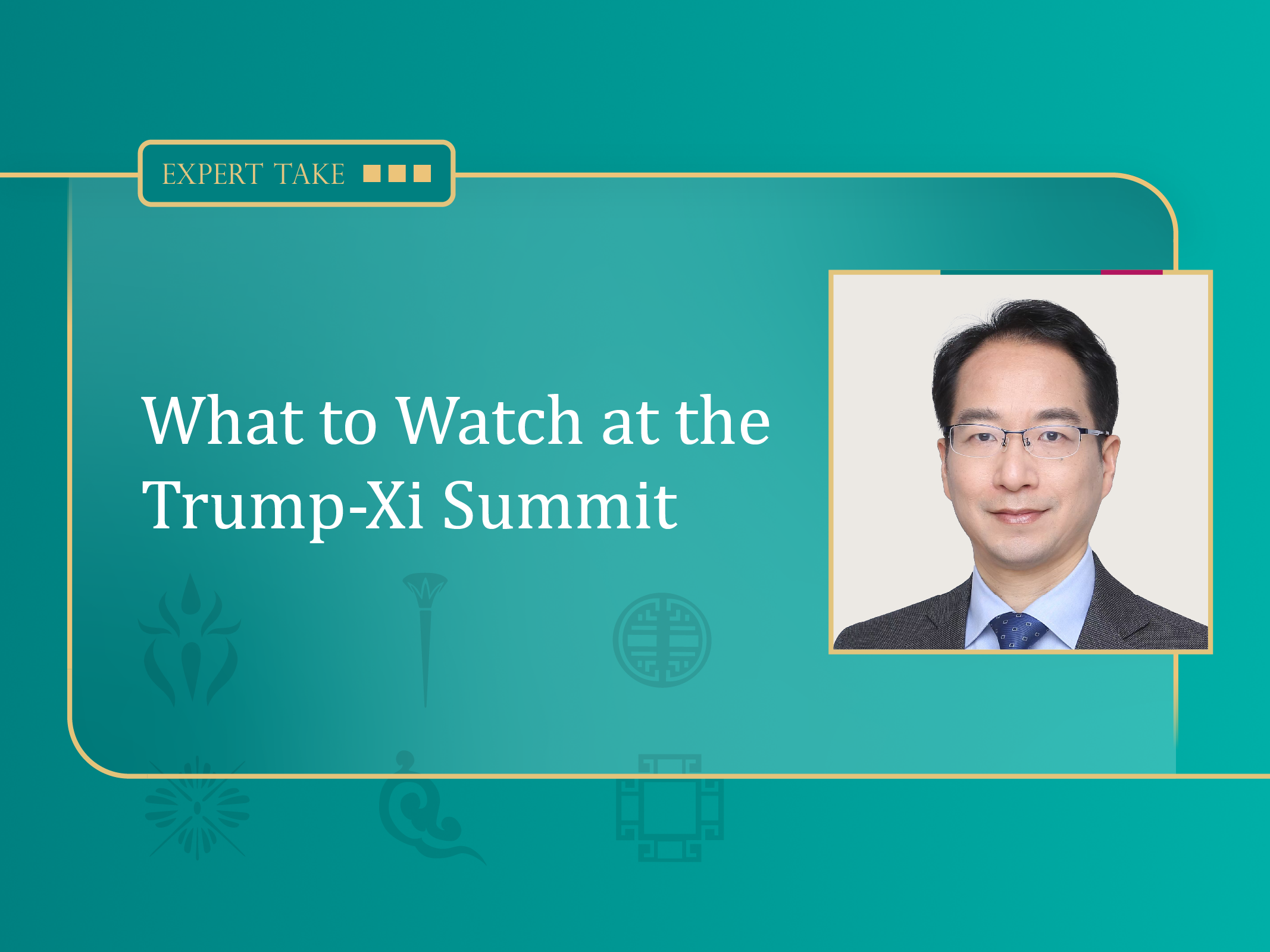
Michael Wu frames the summit through “ART”: agriculture and AI, risk management, and tariffs, trade, technology, and Taiwan. He identifies room for progress on agricultural purchases, export controls, and trade while calling for greater coordination on AI. Wu argues that success should be measured not only by signed agreements, but by both sides’ ability to manage risks and build strategic stability.
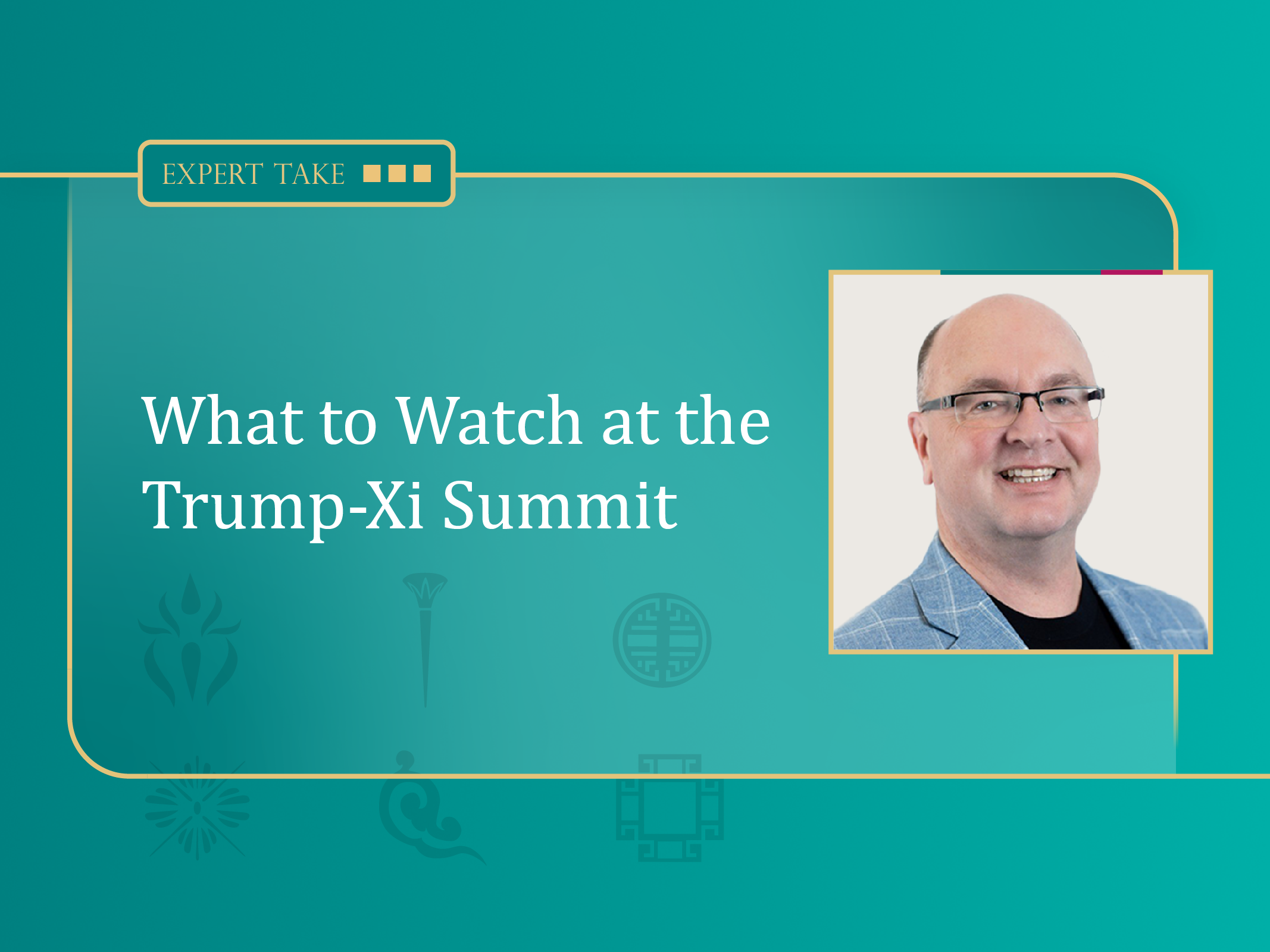
Peter Fraser views the summit from Australia through three imperatives: stability, strength, and space. Australia needs a more predictable U.S.-China relationship, credible deterrence against miscalculation, and room to strengthen its U.S. alliance without reigniting damaging tensions with Beijing. Fraser argues that the best outcome is not a grand bargain, but an environment that protects Australia’s security, trade, and freedom of action.
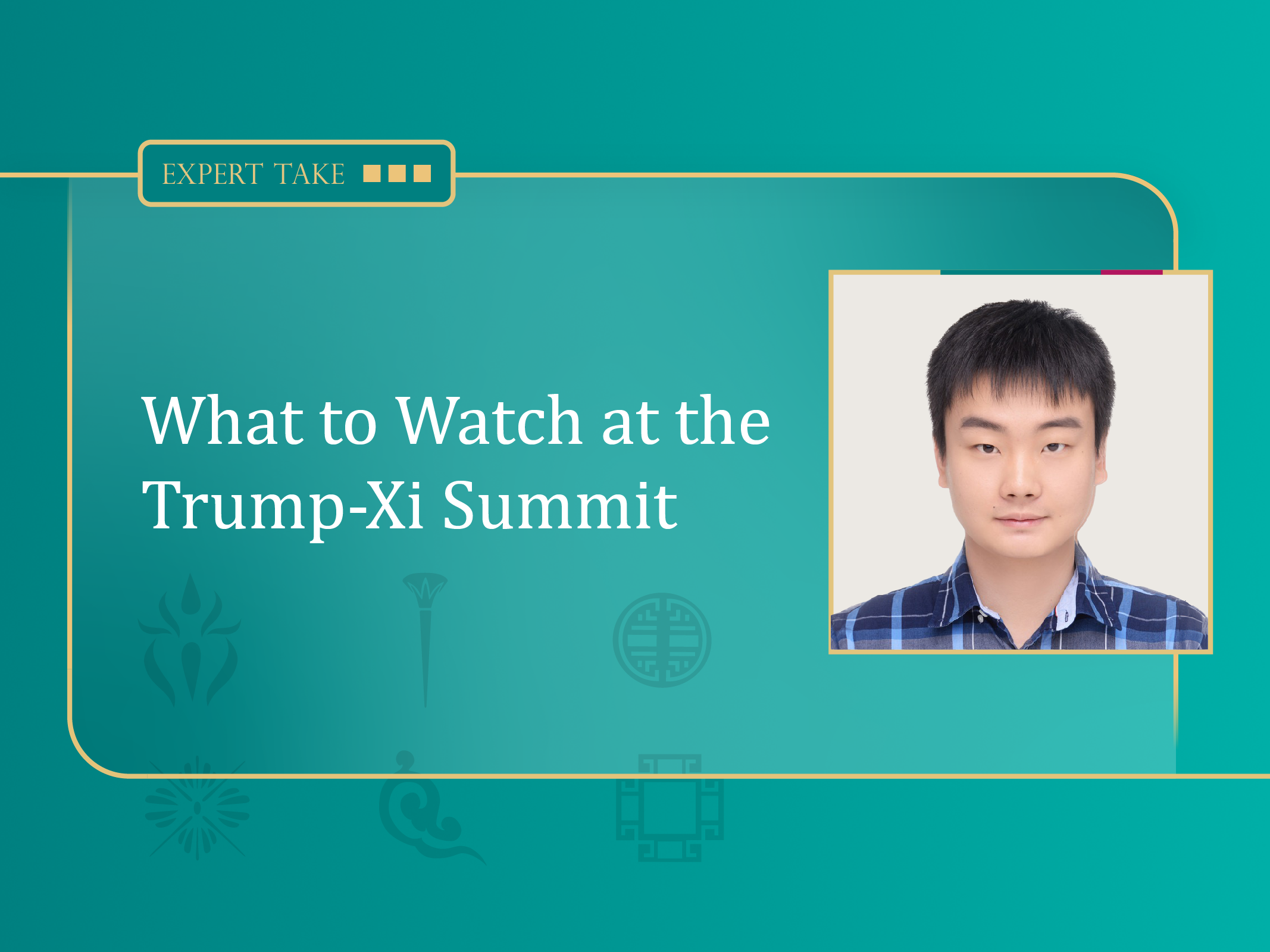
Ruihan Huang proposes the “Three Ds”: deals, deterrence, and dependency. He sees room for negotiated progress on agriculture, investment, market access, and specific trade barriers, even as both sides seek to deter one another. Huang argues that the summit’s real test is whether the United States and China can treat mutual dependency as a shared constraint to manage rather than a vulnerability to weaponize.
Published by Basilinna Institute. All rights reserved.
Dive deeper
Explore more of our insights on U.S.-China and beyond