Xi Jinping’s Cultural Diplomacy in Cairo
By Deborah Lehr
September 3, 2026
When President Xi Jinping arrived in Cairo this week for his first state visit to Egypt in a decade, trade, investment and geopolitics were inevitably high on the agenda.
But Xi also made something else unusually prominent: culture.
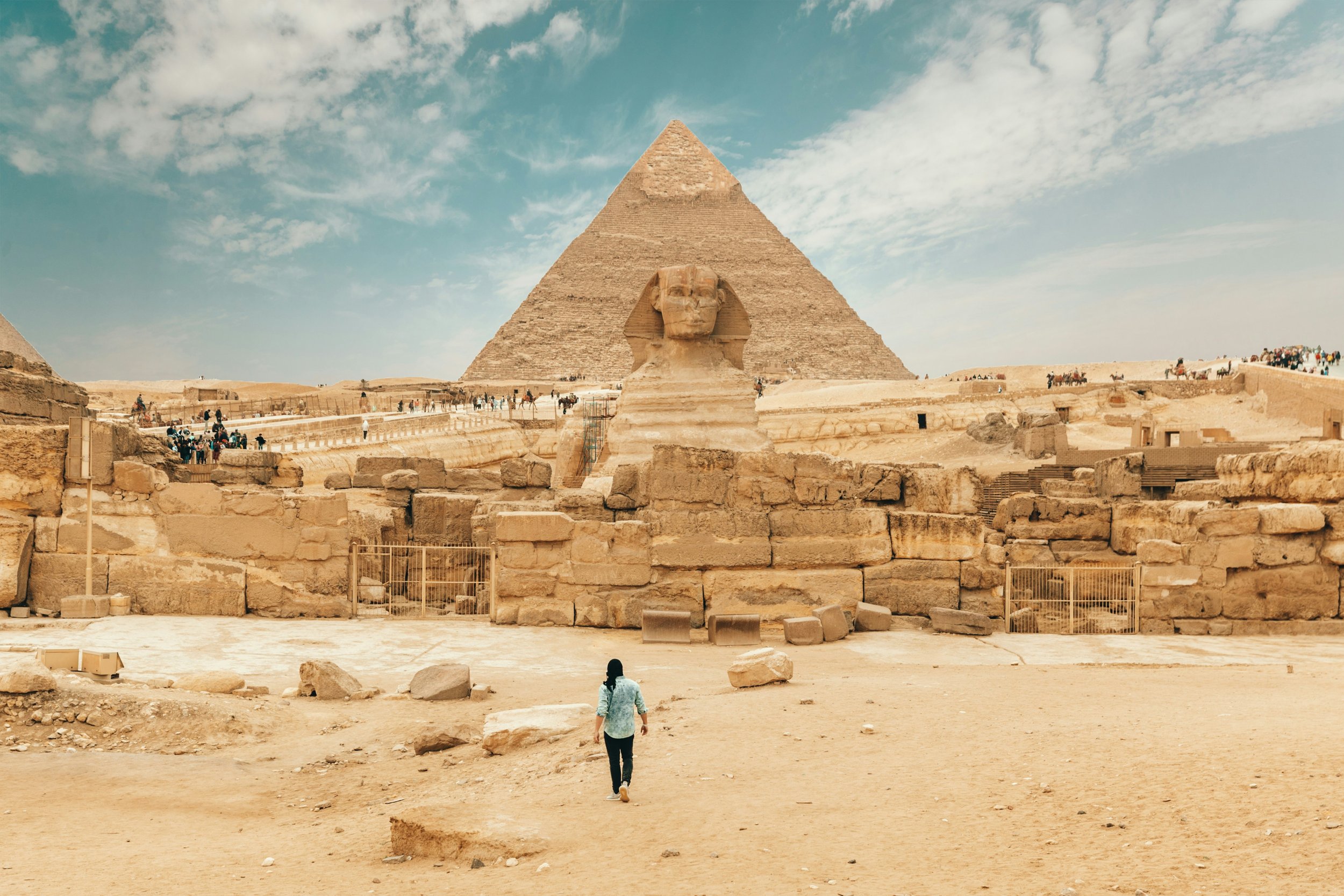
The Sphinx and Pyramid of Giza, Cairo, Egypt (Unsplash/Spencer Davis)
In an essay published in Egyptian newspapers immediately before his arrival,
Xi described China and Egypt as two great civilizations and called on them to “take pride in who we are” while becoming an example of exchange and mutual learning. He pointed to exchanges between Chinese and Egyptian civilizations along the ancient Silk Road, while urging the two countries to protect cultural heritage and expand cooperation in archaeology, education, tourism and other areas, arguing that their ancient civilizations could help forge stronger bonds between their people.
The same theme carried into his meetings with President Abdel Fattah El-Sisi. According to the Chinese readout of the discussions, Xi called on the two countries to “promote people-to-people exchanges” and “comprehensively expand exchanges and cooperation in culture, education, science and technology, health, sports and other fields.”
This emphasis reflects something larger taking place in Chinese foreign policy. Xi increasingly sees culture not simply as a source of national pride, but as an instrument of international influence—and a way to reshape the narrative about China itself.
For years, Beijing has struggled with a basic contradiction.
China’s economic and political weight has grown enormously, but its ability to shape how it is perceived abroad has often lagged behind. President Xi has repeatedly called on China to “tell China’s story well” and present a China that is more credible, appealing and respected.
Culture offers another way to do that.
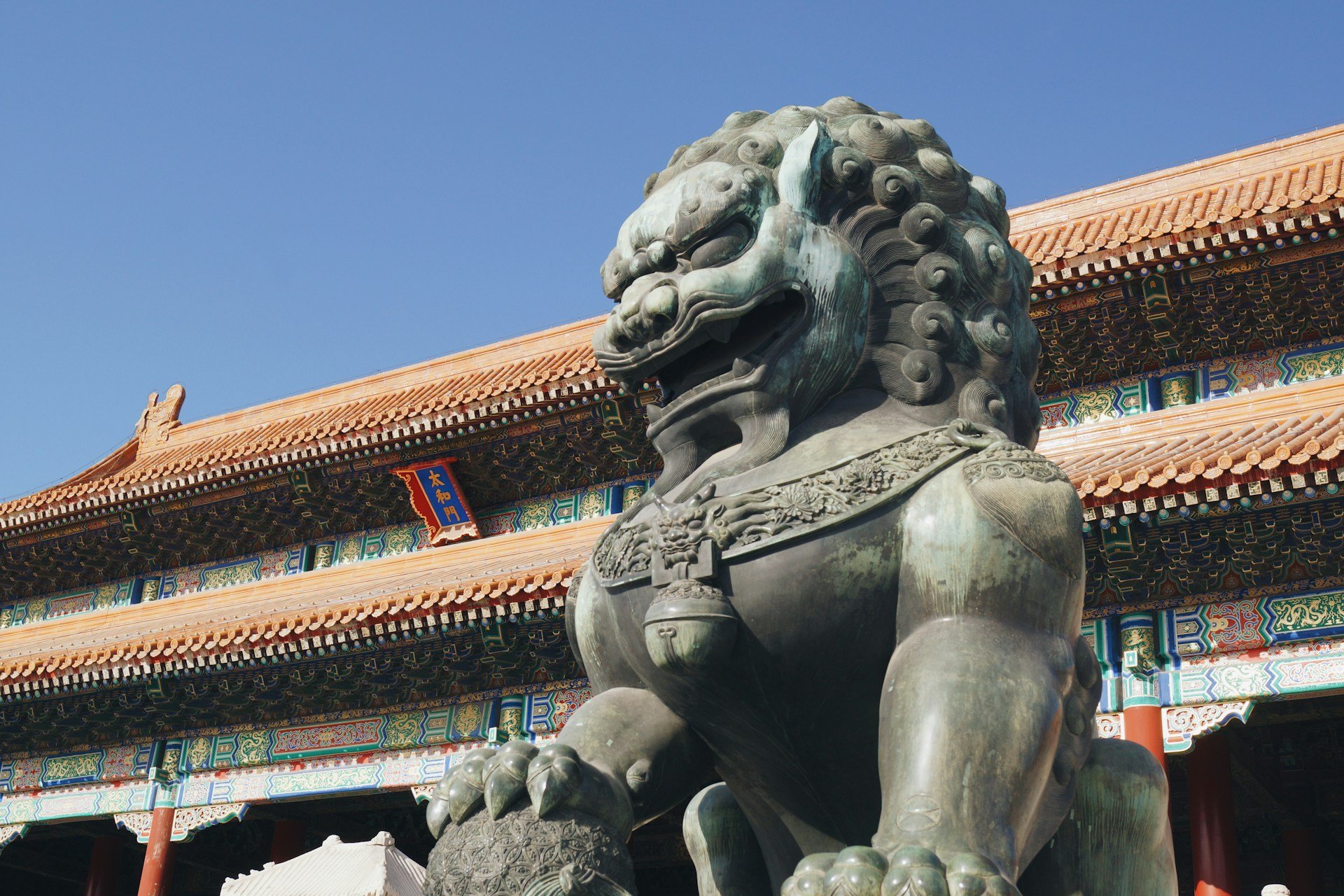
Forbidden City, Beijing, China (Unsplash/Gigi)
Rather than allowing China to be defined primarily through arguments over trade, technology, Taiwan or its political system, Xi is placing China’s 5,000-year civilization more centrally in its international identity. The message is that China should be understood not simply as a rising power, but as an ancient civilization with its own history, values and ideas to contribute to the world.
This is also the thinking behind Xi’s Global Civilization Initiative, launched in 2023, which calls for respect for the diversity of civilizations and different paths to modernization. Xi has argued that countries should “champion equality, mutual learning, dialogue and inclusiveness among civilizations.” Increasingly, that idea provides an intellectual framework for China’s cultural diplomacy: countries need not become alike in order to cooperate, and modernization need not mean abandoning their own histories or identities.
Egypt is a logical place to make that argument.
China and Egypt both present themselves as two ancient civilizations drawing on their histories while embracing modernization.
This concept of drawing on the past to inform the future—and of modernization without abandoning distinct cultural identities—has resonance beyond Egypt, particularly across the Global South, where many countries are simultaneously modernizing and seeking to define their own histories and traditions. Many of these countries also see development of the creative economy as an engine of growth.
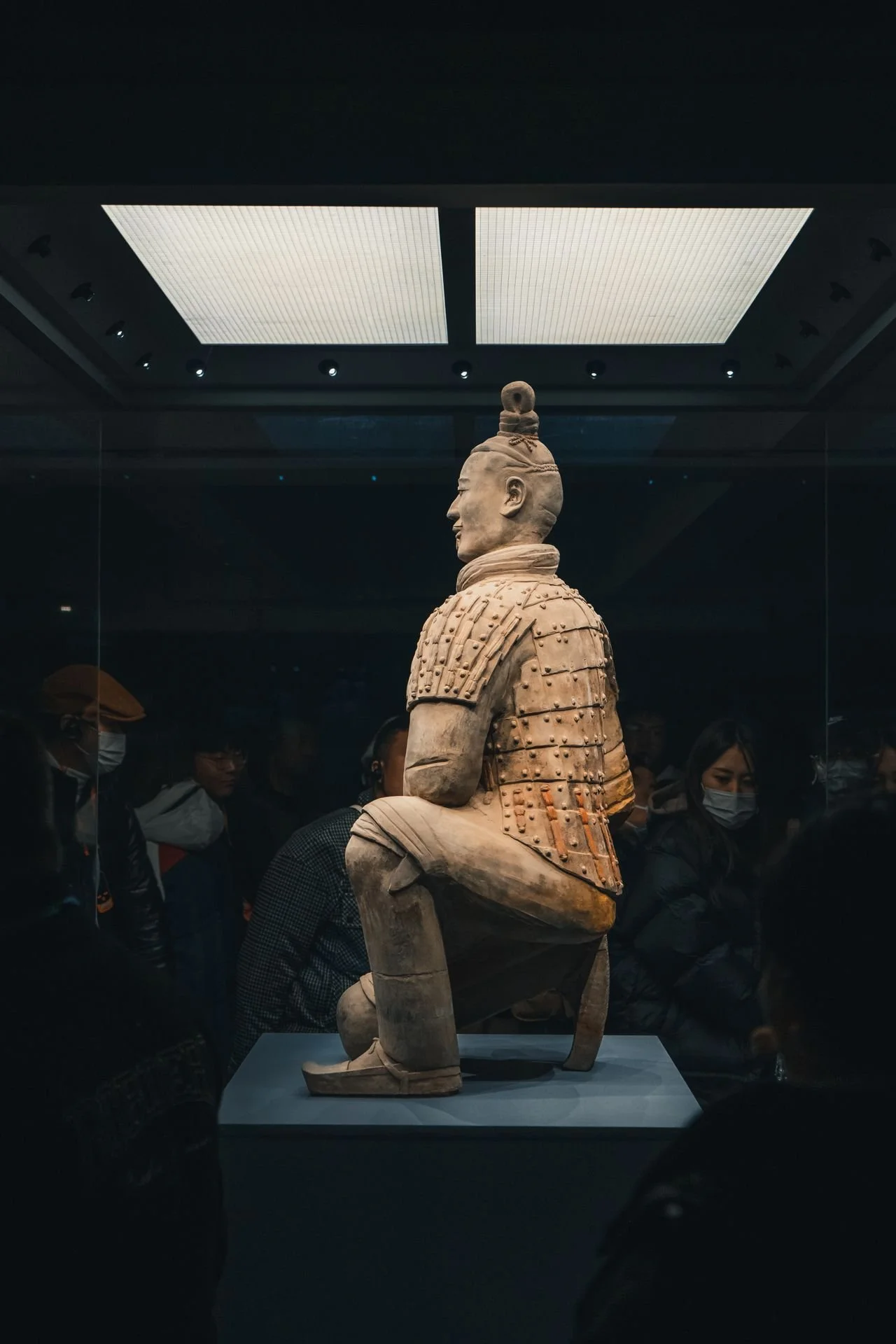
There is already a significant foundation for these exchanges. Chinese is now being taught in Egyptian middle schools, while a recent exhibition on ancient Egypt at the Shanghai Museum proved so popular that tickets sold out within seconds.
There is a geopolitical dimension as well. Cultural relationships create connections that traditional diplomacy cannot always achieve. Museums, archaeology, universities, tourism, artists and heritage professionals build networks among societies that can endure even when political relationships become difficult.
Obviously, promotion of culture does not replace China’s economic diplomacy,
infrastructure investment or strategic ambitions, but it does add another dimension. President Xi is attempting to broaden the basis on which China engages the world—from what China builds and finances to the model of what China represents.
In Cairo, surrounded by the legacy of one of the world’s oldest civilizations, Xi found an especially fitting place to make that case.
Published by Basilinna Institute.
Dive deeper
Explore more of our insights on culture, heritage, and beyond