China-Arab Cooperation Extends Beyond Oil And Into The Desert
By Deborah Lehr
September 1, 2026
At a time of geopolitical competition and shifting alliances, China and the Arab world are finding common ground around a problem they share: the desert.
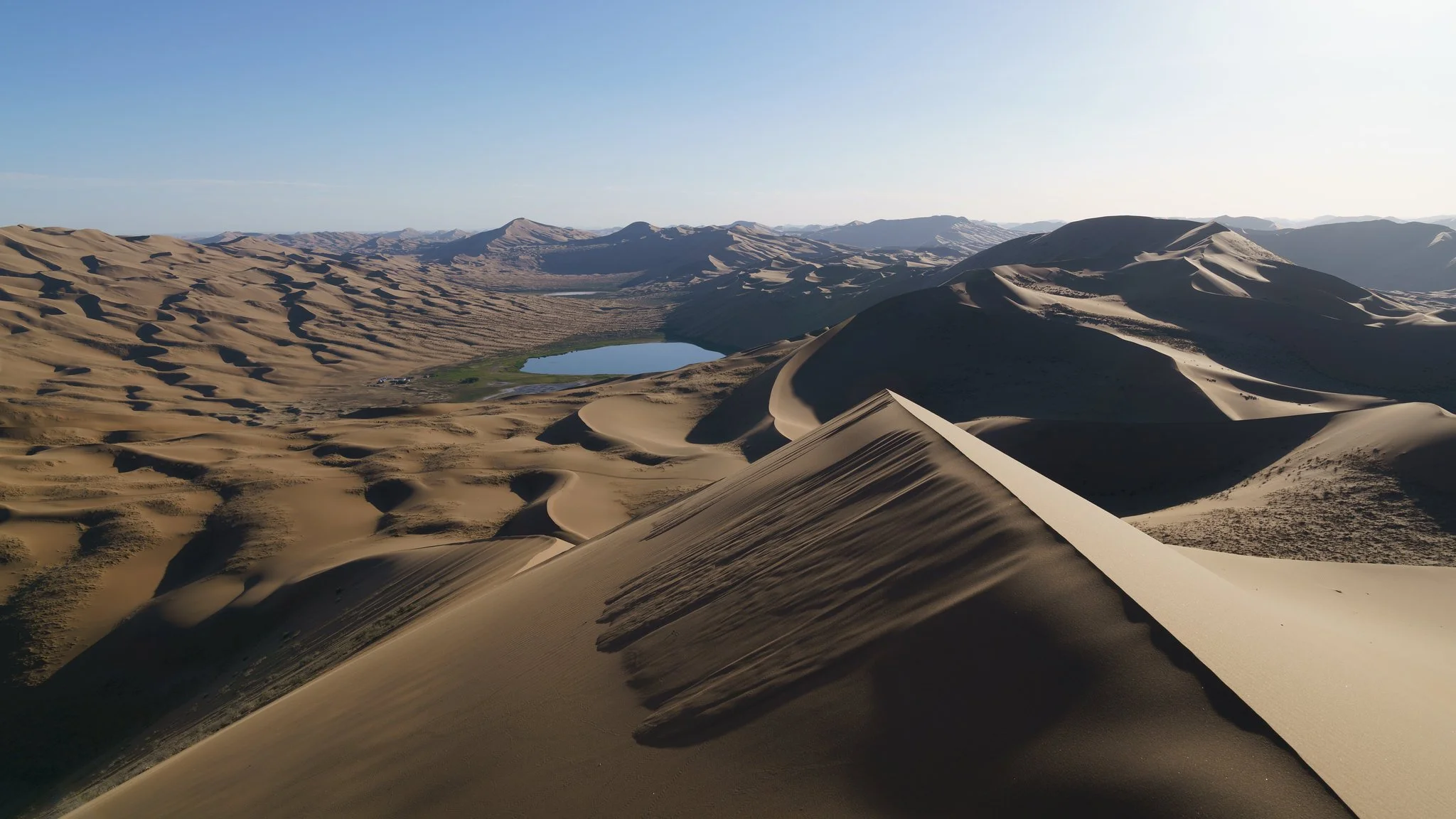
An oasis among the dunes of the Badain Jaran desert, China (Flickr, Götz Datko)
China and Arab States Partner to Protect the Desert
At the recent UN Convention to Combat Desertification COP17 in Mongolia, China and Arab states took another step toward building a long-term partnership to combat drought, desertification and land degradation. The China-Arab International Research Center for Drought, Desertification and Land Degradation adopted a new five-year action plan covering everything from restoring degraded land and monitoring sandstorms to protecting grasslands, biodiversity and wetlands.
The initiative dates to the first China-Arab States Summit in 2022, when President Xi Jinping proposed creating a joint research center as part of a broader package of practical cooperation. The center was formally established the following year by China’s National Forestry and Grassland Administration and the League of Arab States. In other words, the partnership is moving beyond high-level commitments toward technical infrastructure and institutional relationships needed for long-term cooperation.
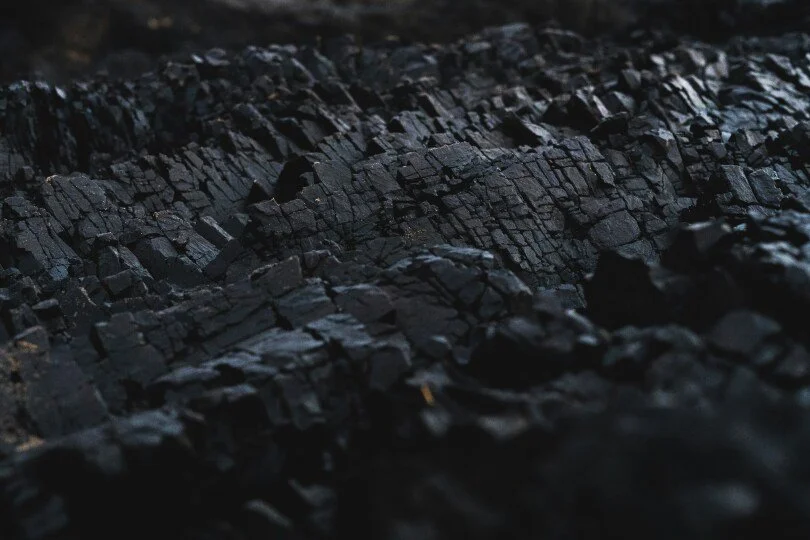
Mixed landscape in Inner Mongolia, China (Jun Gao, Unsplash.com)China and the Arab countries are developing shared data tools, conducting joint research, training experts and exploring demonstration projects. The new five-year plan calls for expanded technology transfer, remote-sensing and land-monitoring tools, early-warning systems for sand and dust storms, and greater cooperation among governments, universities, companies and local communities.
China has spent decades trying to contain desertification and restore degraded ecosystems while building significant expertise in areas such as afforestation, land restoration remote sensing and environmental monitoring. At the same time, it has invested heavily in clean and environmental technologies. Arab countries face similar challenges: extreme aridity, water scarcity, desertification and increasingly severe climate pressures. China has experience and technology to export; Arab states have both an urgent need for solutions and growing capital to invest in them.
But there is also a geopolitical dimension worth watching.
The Geopolitical Dimension

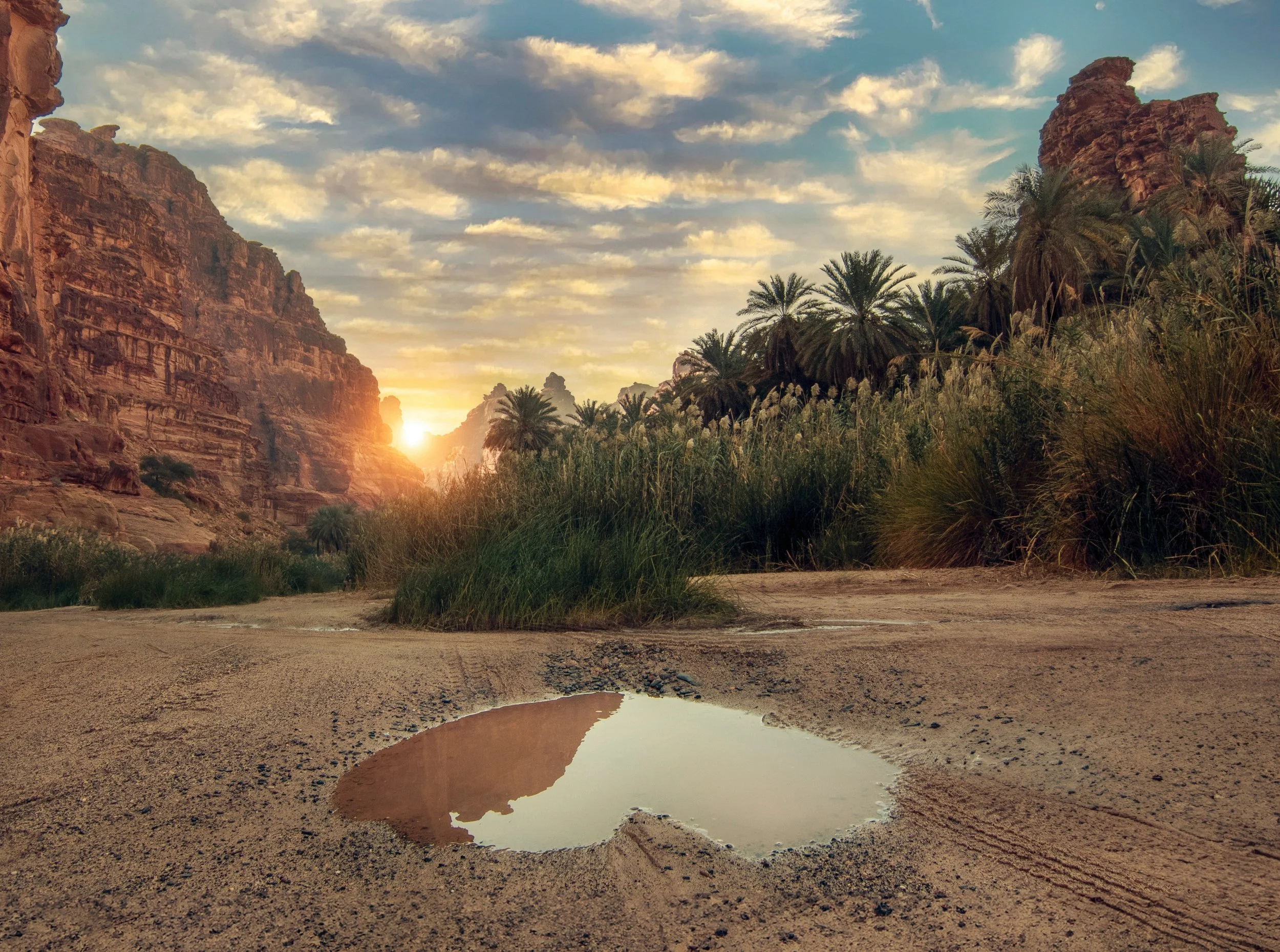
The marbled polecat, one of the many species native to regions in both China and the Saudi Region. (flickr/zoofanatic)
As Washington pulls back from climate related issues and institutions, China is continuing to build relationships through precisely these kinds of practical initiatives. Desertification may not attract the attention that trade, artificial intelligence or energy security does, but cooperation on land and water creates relationships among ministries, scientists, universities, companies and policymakers that can endure for decades. It also becomes part of the value-chain of climate and biodiversity cooperation.
It is part of a broader pattern. Just days after the desertification agreement was announced, Chinese and UAE officials met in Beijing to discuss greater alignment of development policies and future investment projects. Building on their past discussions, climate, including desertification and green technology, are expected to be the agenda for as President Xi and President Sisi meet this week in Cairo to explore strengthening their strategic partnership.
It is obviously too simplistic to say that this means Arab countries are choosing China over the United States. Increasingly, countries in the region are diversifying their partnerships with different powers based on what each can offer. And China has a lot to offer in this sector.
Beyond the Desert: An Alliance Worth Watching
China also understands something important: influence is often built by showing up and helping solve problems that matter to your partners. Desertification is a shared challenge for China and the Arab world. Addressing it together makes environmental sense. And the institutions, networks and technologies being built around that cooperation may have consequences that extend far beyond the desert.
Published by Basilinna Institute.
Dive deeper
Explore more of our insights on biodiversity, nature finance, and beyond