

Our Insights

Featured Insights Selected by Our Experts
-
![]()
The Return of the Koh Ker Ganesha
with Brad Gordon, Channy Set, and Nguon Chhay Song | Hosted by Deborah Lehr
-
![]()
CES, Digital Trade, and the Future of Tech Supply Chains
with Ed Brytzwa | Hosted by Jake E. Jennings
-
![]()
Iran, The Days After: The Succession
By the Basilinna team
-
![]()
Why China Is Pushing Trade Facilitation Despite a Record Surplus
By Leigh Wedell and Ruihan Huang
-
![]()
Mexico Now America’s Top Trading Partner as USMCA Review Looms
By Abel Hibert, Senior Fellow
-
![]()
Nature as National Asset: How the Middle East Is Turning Biodiversity into Economic Opportunity
By Basilinna Deborah Lehr, Chair and CEO.
-
![]()
China Economic Stimulus Tracker
A comprehensive timeline of announcements and policy actions implemented by the Chinese government to stimulate economic activity.
-
![]()
From the Middle Kingdom to the Saudi Kingdom: Opportunities Abound
By Yasser Elnaggar, Chair of the Middle East and Africa





Explore all of our Insights, Interviews, Commentary, and More
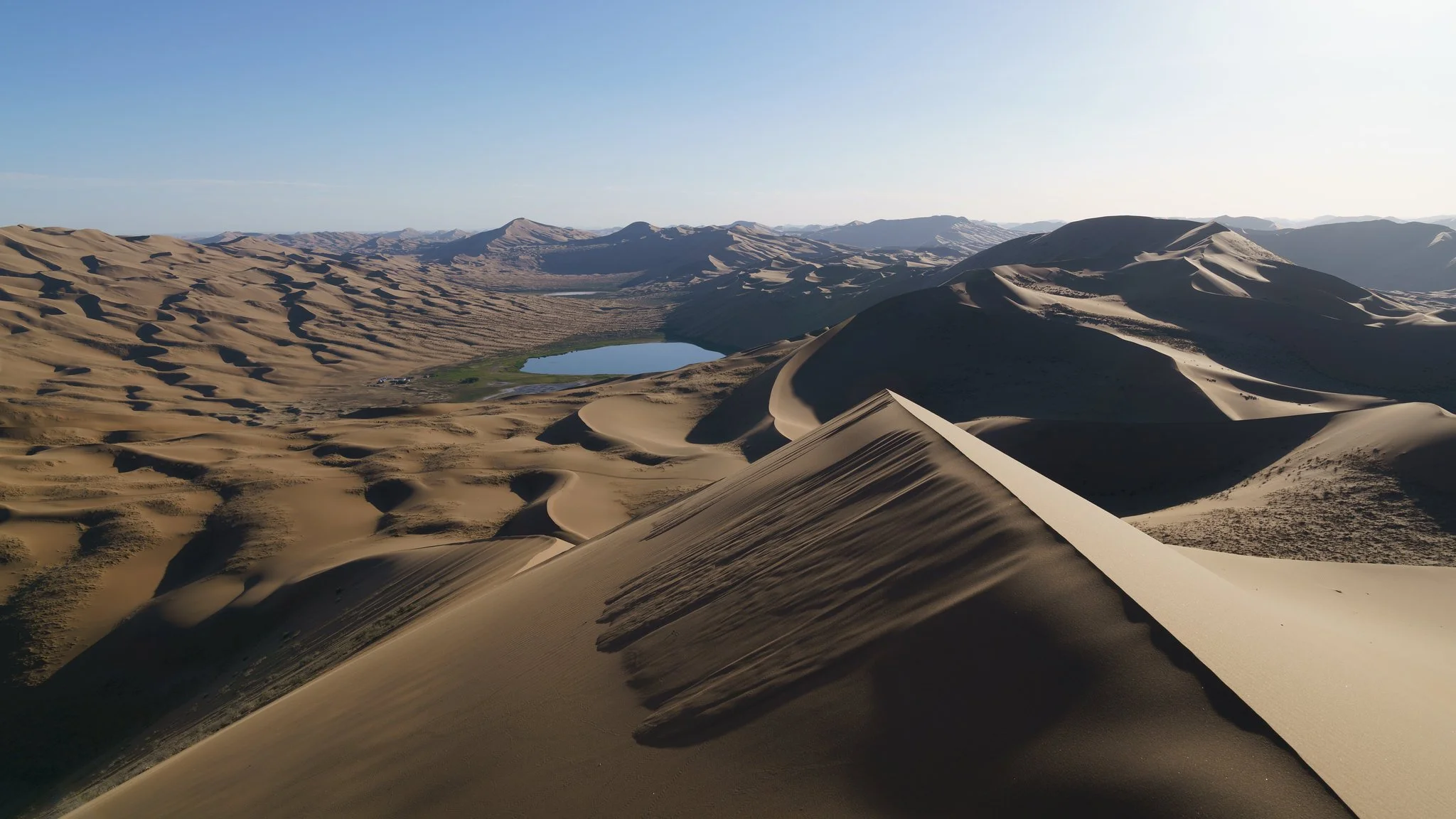
China-Arab Cooperation Extends Beyond Oil And Into The Desert
By Deborah Lehr, Chair and CEO
At a time of geopolitical competition and shifting alliances, China and the Arab world are finding common ground around a problem they share: the desert.
Adaptation Is No Longer Optional
By Deborah Lehr, Chair and CEO
Recent geopolitical shocks have forced a fundamental reassessment of risk. War, supply chain disruptions, and rising fragmentation have shown that resilience can no longer be assumed, but it must be built. While attention has focused on geopolitical risk, climate risk, equally consequential, is now converging with it.
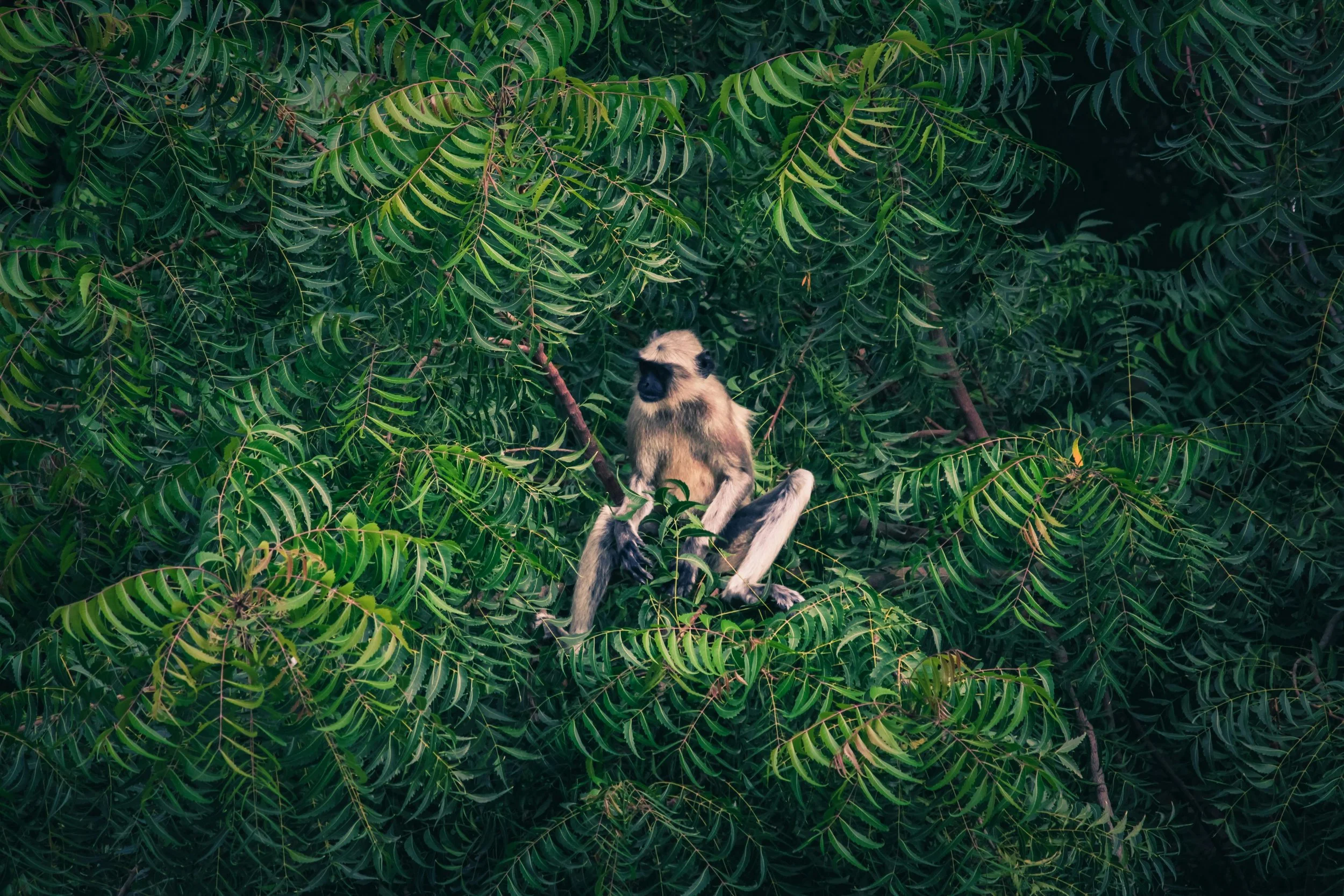
Biodiversity Is a Language We Are Only Beginning to Understand
By Deborah Lehr, Chair and CEO
As we mark International Day for Biological Diversity, we often speak about biodiversity in the language of loss: disappearing species, degraded ecosystems, shrinking forests, warming oceans. These statistics are staggering and important. Scientists estimate that we could lose up to half of the world’s species by mid-century if current trends continue.
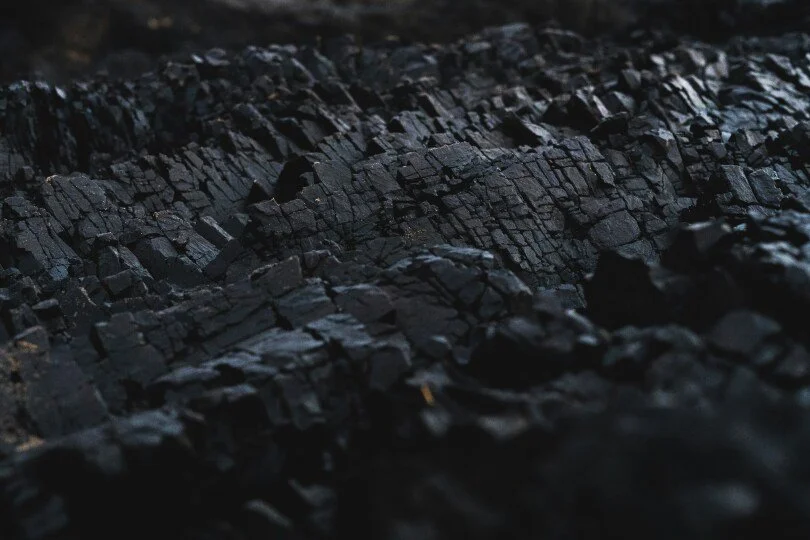
Coal Is Rising in China’s Clean Energy Transition
By Deborah Lehr, Chair and CEO, and Ruihan Huang, Director
China’s energy transition is entering a more complex phase than commonly assumed. While the country is rapidly scaling up renewable energy – China now leads the world in both investment and deployment – coal production and coal power investment are also increasing.
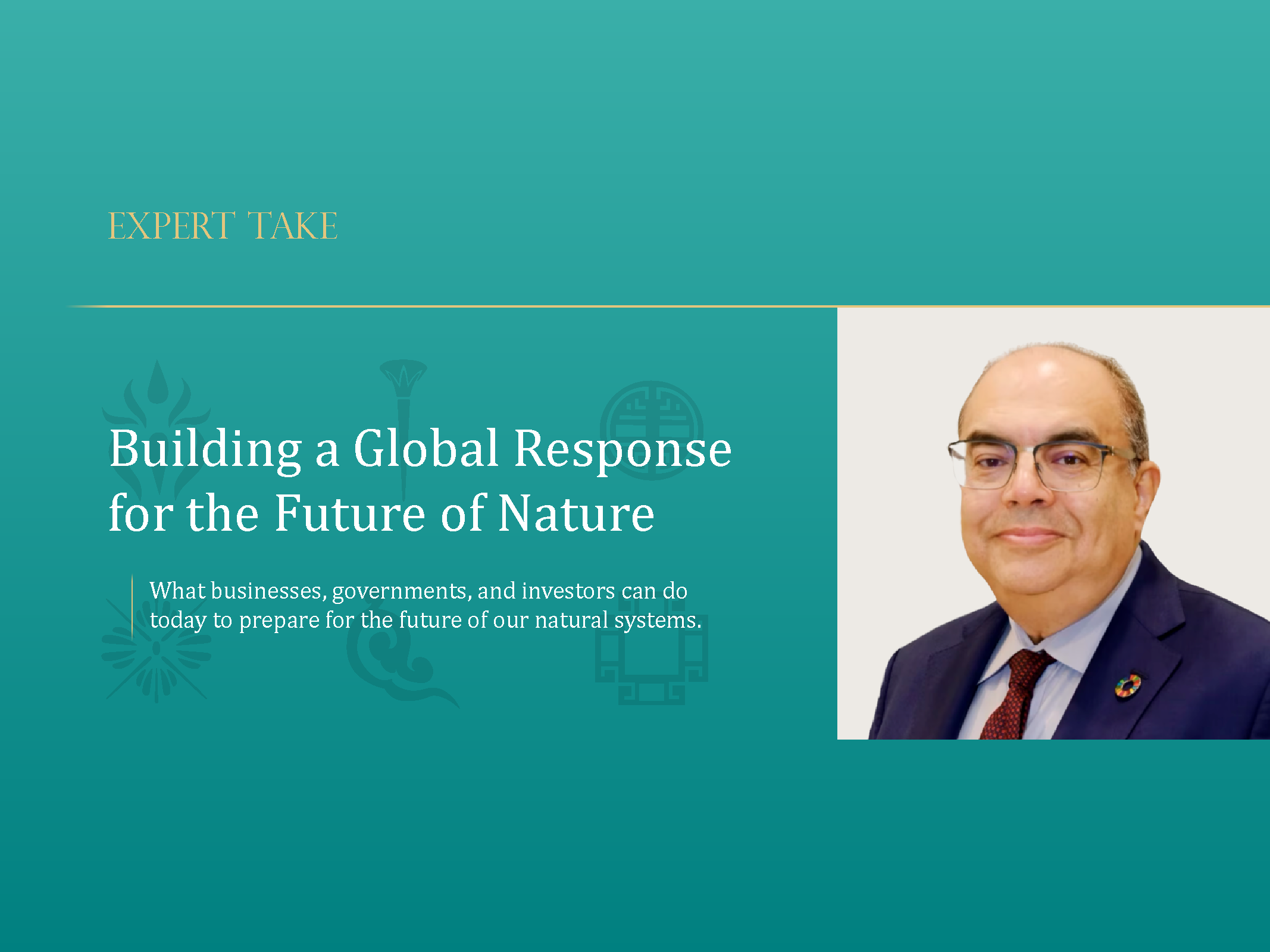
Building a Global Response for the Future of Nature
By Dr. Mahmoud Mohieldin, Basilinna Expert
Basilinna’s leading experts on biodiversity and nature finance discuss how we can respond as biodiversity loss accelerates and pressure on the planet’s natural systems intensifies.
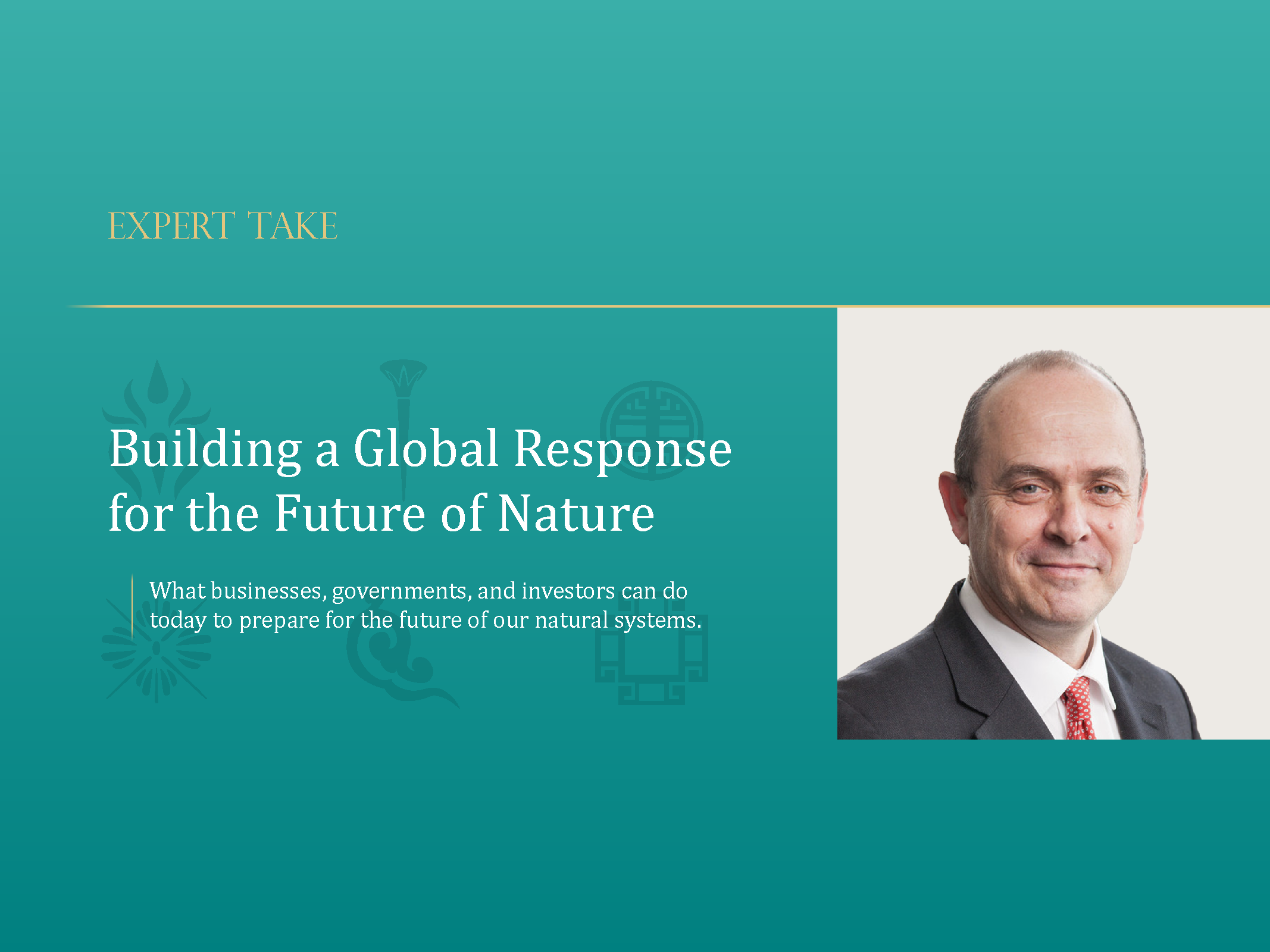
Building a Global Response for the Future of Nature
By Dr. Simon Zadek, Basilinna Expert
Basilinna’s leading experts on biodiversity and nature finance discuss how we can respond as biodiversity loss accelerates and pressure on the planet’s natural systems intensifies.
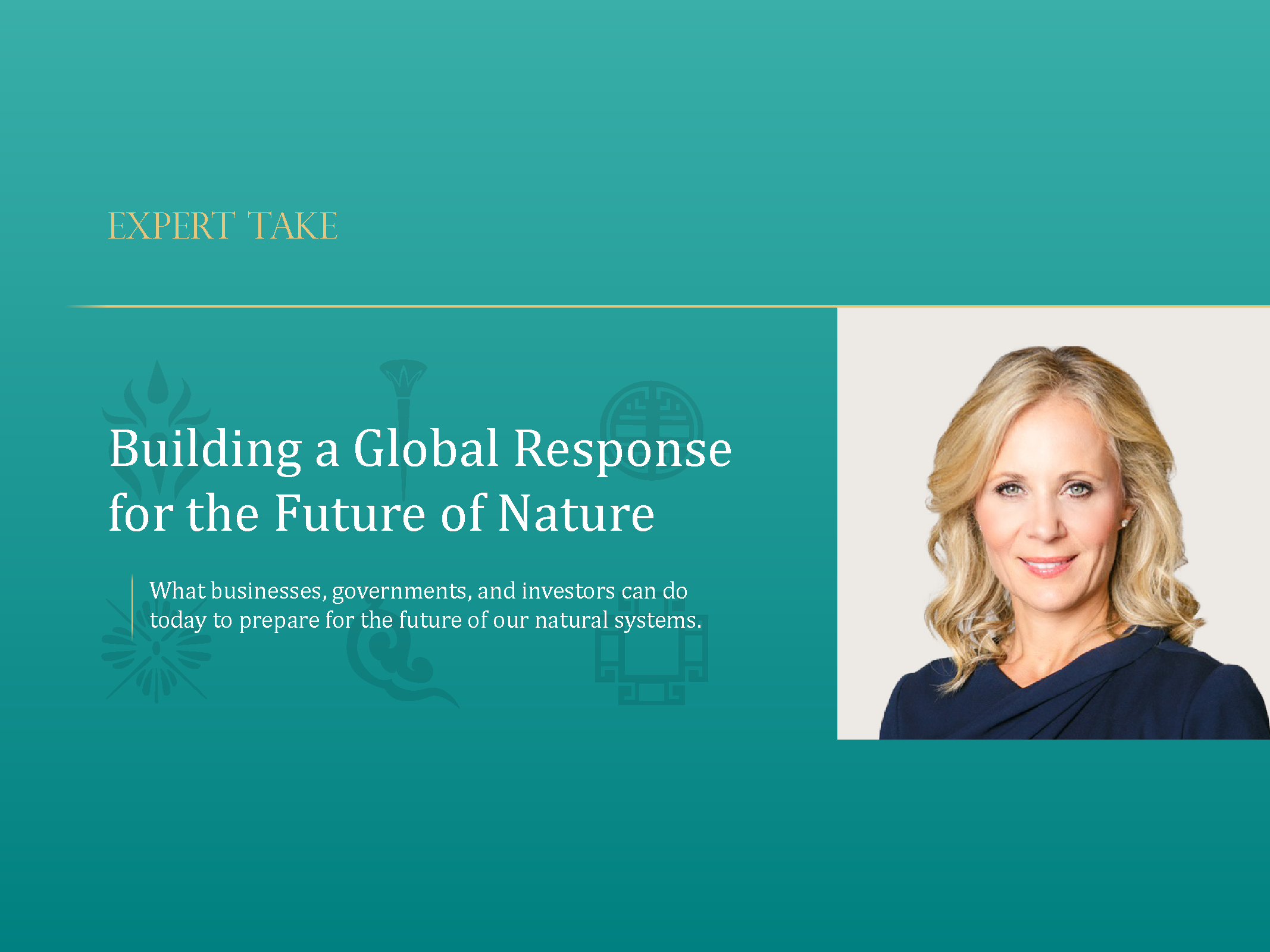
Building a Global Response for the Future of Nature
By Deborah Lehr, Chair and CEO
Basilinna’s leading experts on biodiversity and nature finance discuss how we can respond as biodiversity loss accelerates and pressure on the planet’s natural systems intensifies.
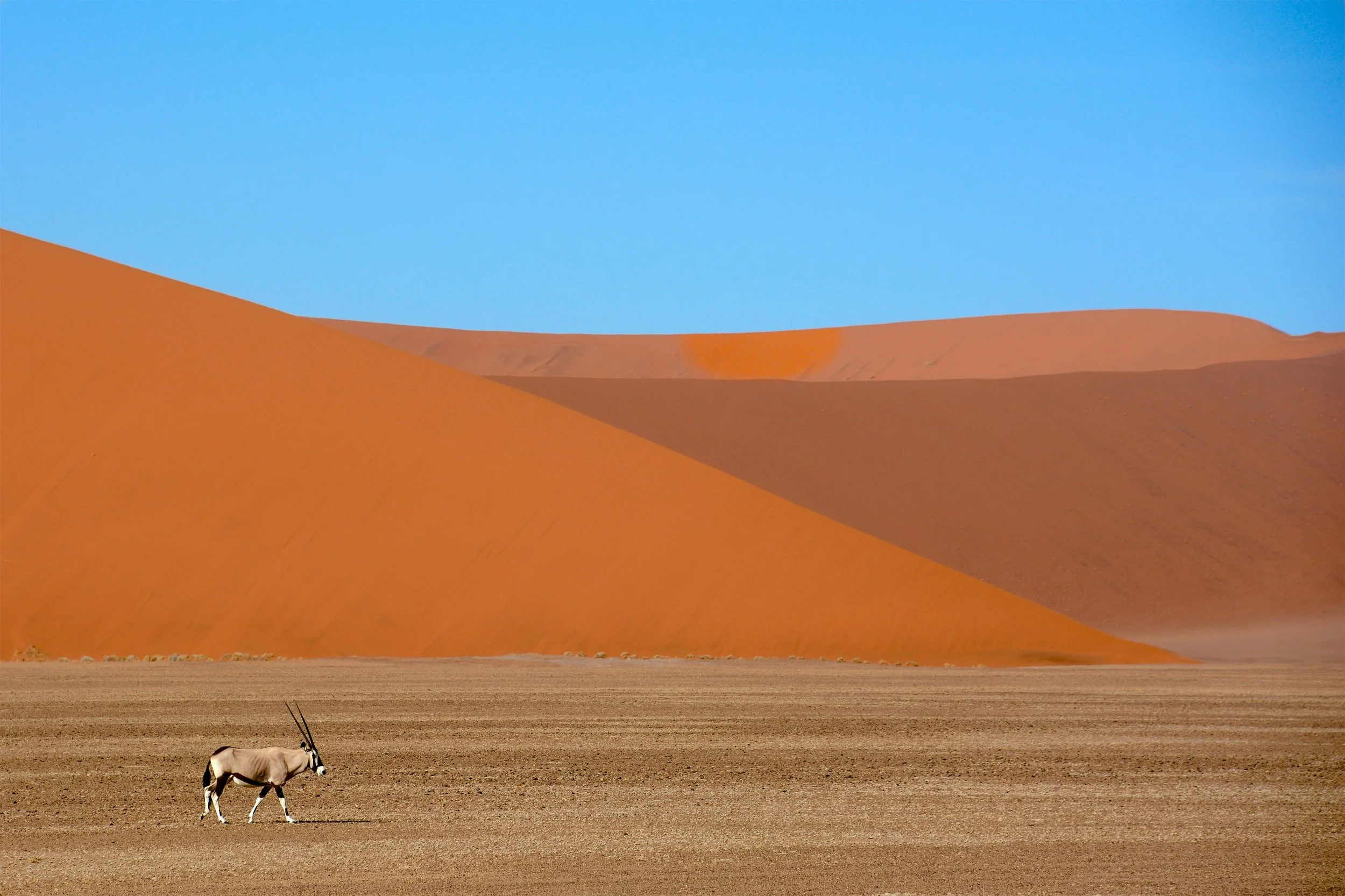
Tourism and Biodiversity: Unlocking Value in the MENA Green Economy
By the Basilinna team
Tourism is already central to economies across the region, but its long-term value depends on protecting the natural assets that give destinations their identity.

Nature as National Asset: How the Middle East Is Turning Biodiversity into Economic Opportunity
September 5, 2025 | Deborah Lehr, Chair and CEO
For decades, the Middle East’s biodiversity was overlooked—not because it lacked value, but because that value was not fully recognized. Today, countries across the region are reframing nature as a strategic national asset.
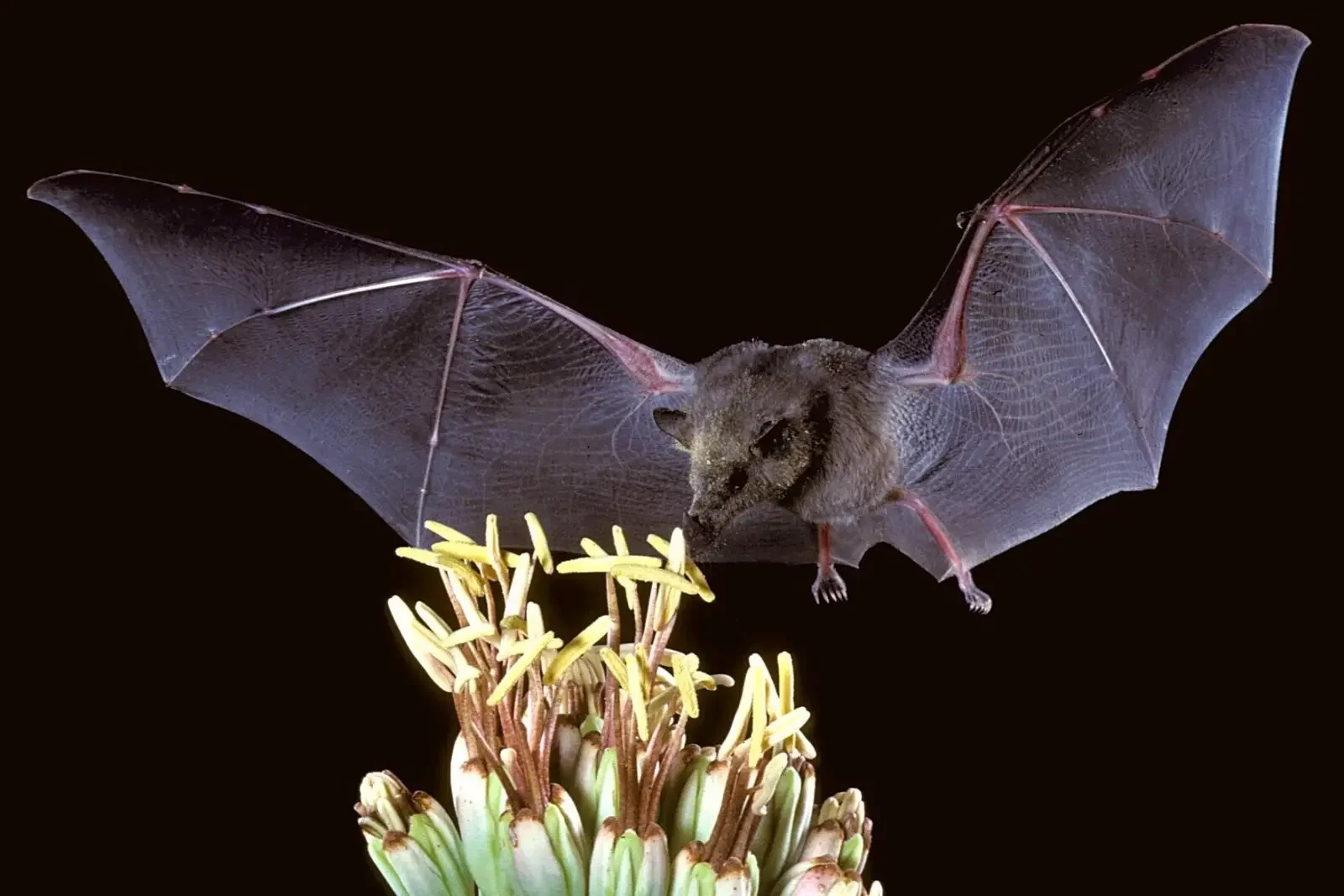
Pollinators of the Night: How Bats Sustain Ecosystems, Agriculture, and Tequila
September 9, 2025 | Chynna Hawes, Senior Vice President
In the U.S., bats are perhaps better known for their pest control services. In one night, a single bat can eat thousands of crop-damaging insects, reducing the need for chemical pesticides, lowering costs for farmers, and at the same time, supporting the health of other pollinators.