

Our Insights

Featured Insights Selected by Our Experts
-
![]()
The Return of the Koh Ker Ganesha
with Brad Gordon, Channy Set, and Nguon Chhay Song | Hosted by Deborah Lehr
-
![]()
CES, Digital Trade, and the Future of Tech Supply Chains
with Ed Brytzwa | Hosted by Jake E. Jennings
-
![]()
Iran, The Days After: The Succession
By the Basilinna team
-
![]()
Why China Is Pushing Trade Facilitation Despite a Record Surplus
By Leigh Wedell and Ruihan Huang
-
![]()
Mexico Now America’s Top Trading Partner as USMCA Review Looms
By Abel Hibert, Senior Fellow
-
![]()
Nature as National Asset: How the Middle East Is Turning Biodiversity into Economic Opportunity
By Basilinna Deborah Lehr, Chair and CEO.
-
![]()
China Economic Stimulus Tracker
A comprehensive timeline of announcements and policy actions implemented by the Chinese government to stimulate economic activity.
-
![]()
From the Middle Kingdom to the Saudi Kingdom: Opportunities Abound
By Yasser Elnaggar, Chair of the Middle East and Africa



Explore all of our Insights, Interviews, Commentary, and More
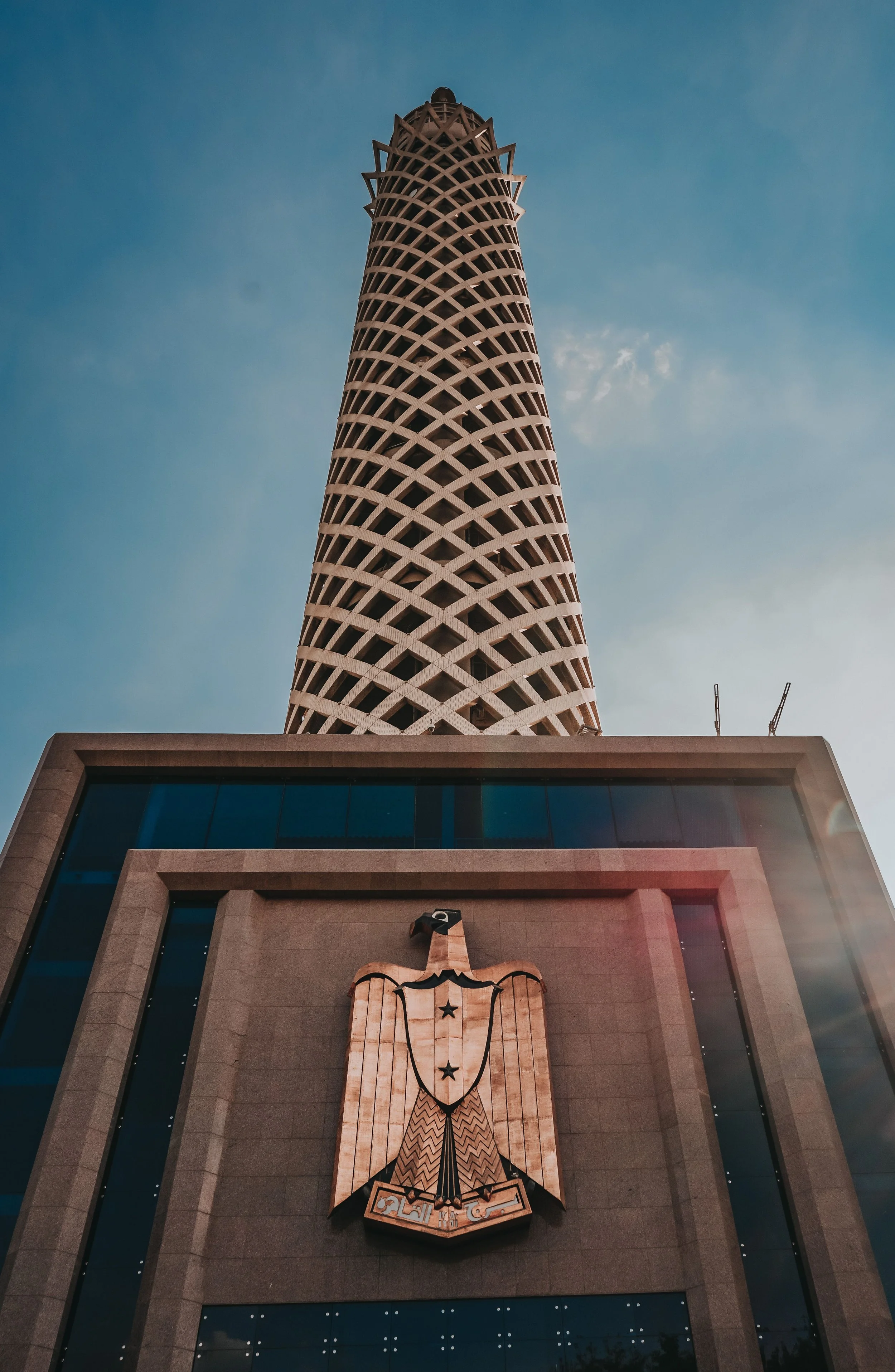
Between Security & Commerce
By the Basilinna Team
President Xi Jinping’s state visit to Egypt, his first in a decade, highlights China’s deepening economic and political engagement across MENA. But this does not mean the region is shifting from the United States to China. The U.S. remains the region’s primary defense and advanced technology partner, while China is increasingly central to trade, infrastructure, manufacturing and investment.
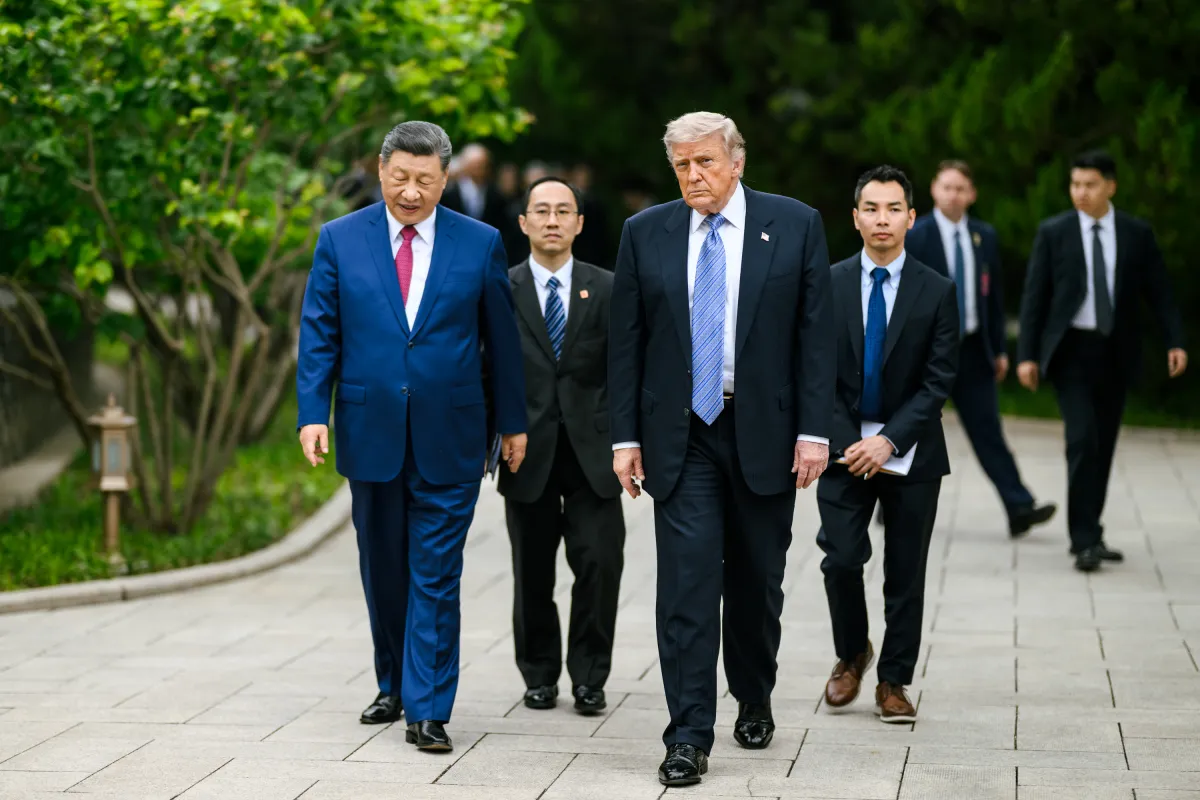
Trump-Xi Meeting: Strategic Competition Doesn’t Preclude Selective Cooperation
By the Basilinna Team
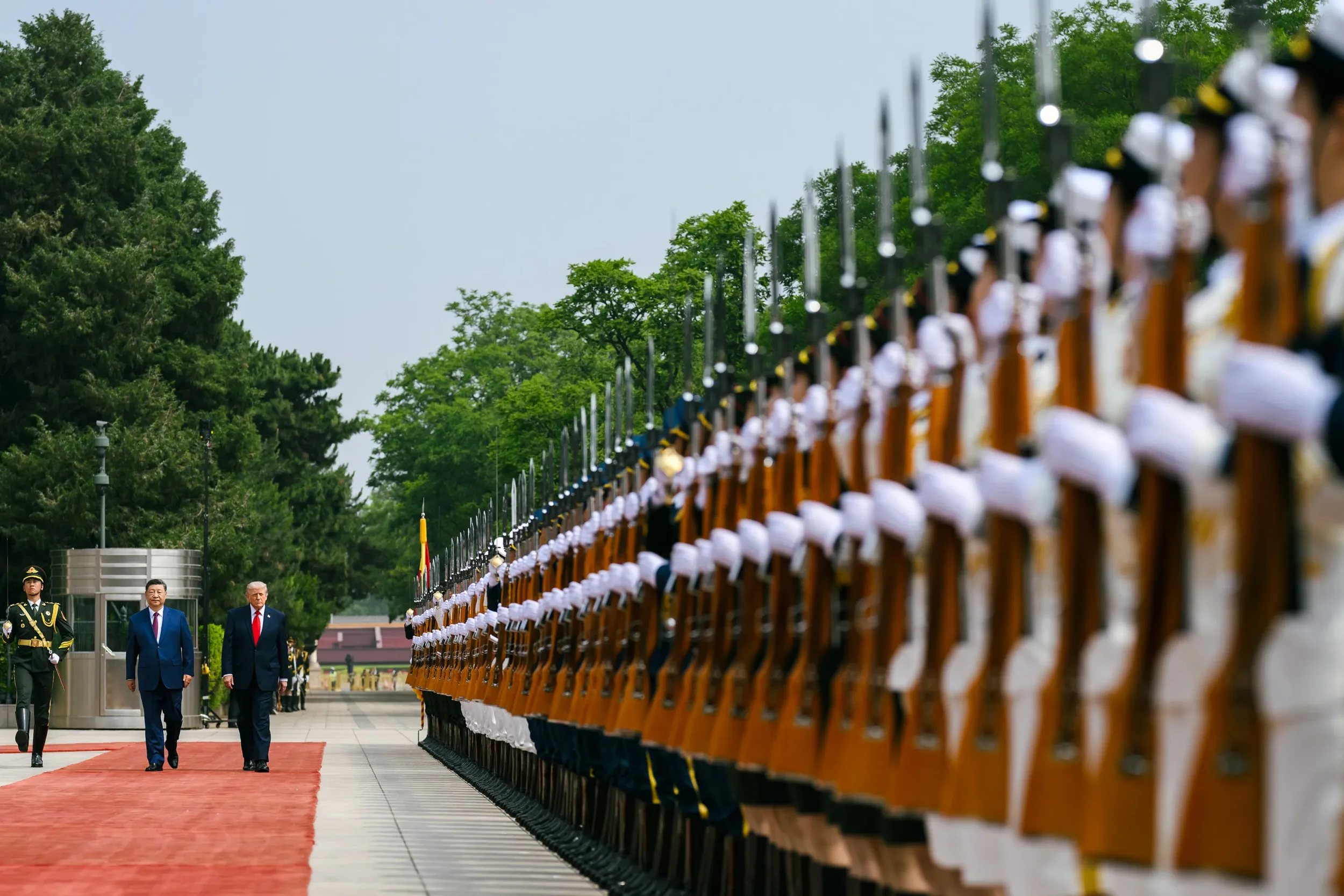
President Trump’s visit to China was significant less for specific deliverables than for what it revealed about the evolving framework of U.S.-China relations under Trump and Xi. Despite deep structural tensions, both leaders signaled that strategic competition can coexist with selective cooperation and active management of rivalry.
Trump’s China Visit Signals Emerging Convergence on Iran, But Major Gaps Remain
By the Basilinna Team
Trump’s two-day visit to Beijing produced a carefully staged diplomatic reset with China, but few concrete agreements. The broader summit covered Taiwan, trade, agriculture purchases, Boeing aircraft, technology and investment, but Iran is now one of the most consequential issues on the agenda.

Iran, The Days After: The Succession
By the Basilinna team
The killing of the Supreme Leader eliminates Iran’s ultimate arbiter and introduces near-term volatility, but the Islamic Republic of Iran retains institutional redundancies in its leadership system.
Why China Is Pushing Trade Facilitation Despite a Record Surplus
By Leigh Wedell, President and COO, and Ruihan Huang, Director
China recorded the largest trade surplus in its history and swiftly followed the announcement with 25 new measures to further streamline trade, reinforcing that exports remain a central pillar of the economy despite mounting geopolitical headwinds. Here are your talking points.
As New Foreign Inflows Dry Up, China Turns to Reinvestment—and Shanghai Emerges as the Leading Local Test Case
By Ruihan Huang, Director, and Yelin Ma, Analyst
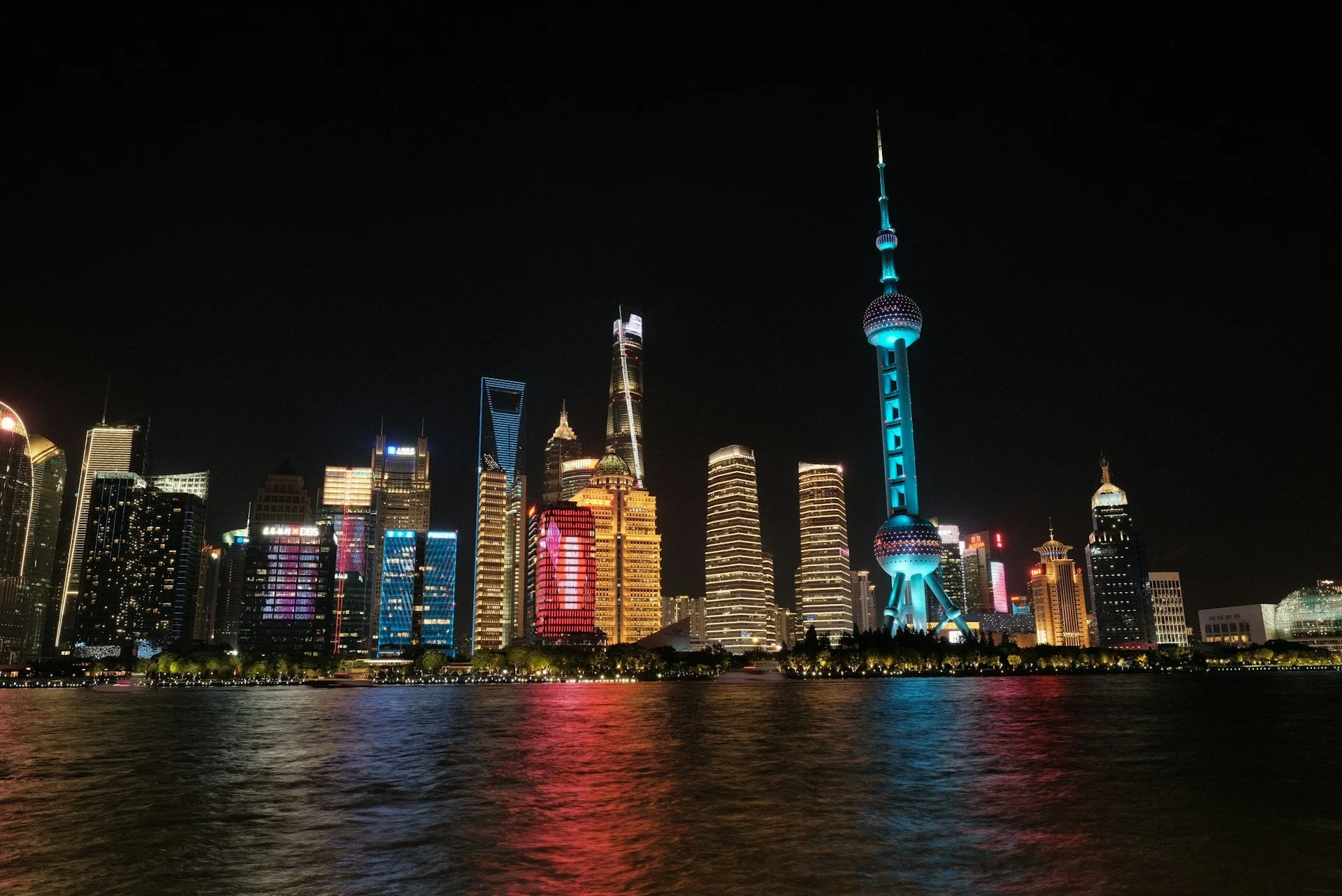
As foreign direct investment into China has fallen to its lowest level in decades, Beijing has sought not only to attract new inflows but also to encourage foreign firms already operating in the country to reinvest their onshore profits and expand their domestic footprint.

Tourism and Biodiversity: Unlocking Value in the MENA Green Economy
By the Basilinna team
Tourism is already central to economies across the region, but its long-term value depends on protecting the natural assets that give destinations their identity.

From Blueprint to Reality: China Builds a Free Trade Island for Its Next Ambitious Opening Experiment
By Michael Wu, Senior Vice President and Ruihan Huang, Director
In December 2025, China will formally implement the independent customs operation of Hainan Free Trade Port (FTP) (also referred to as “customs closure”), marking a turning point from policy planning to institutional execution.
Recovery Yet Cautious: China’s IPO Path in 2025
July 23, 2025 | Ruihan Huang, Director
China’s IPO market is showing early signs of recovery after a sharp regulatory-driven slowdown in 2024. While listing activity has picked up in 2025, the era of high-volume IPOs is unlikely to return, as financial regulators shift focus from rapid expansion to long-term value creation.

Saudi Arabia’s Strategic Hedging: Navigating Multipolarity through Quiet Power
July 22, 2025 | Ambassador Yasser Elnaggar, Chair of Middle East and Africa
Over the past decade, Saudi Arabia has transitioned from an overzealous regional actor, engaging in armed conflicts and backing belligerent factions, toward a more measured and mature foreign policy posture. It now leverages its vast resources and the momentum of Vision 2030 to position itself as a key player on both the regional and global stage. Its leadership role in OPEC and OPEC+ has reinforced this emerging identity.