Culture and Global Engagement in the Coming Decade
What opportunities can culture create for deeper U.S. engagement with the world, and where can it have the greatest impact in the decade ahead?
By Deborah Lehr, Irina Bokova, Dr. Stephen Browne, Yousra Abdelhameed, Tess Davis
August 19, 2026
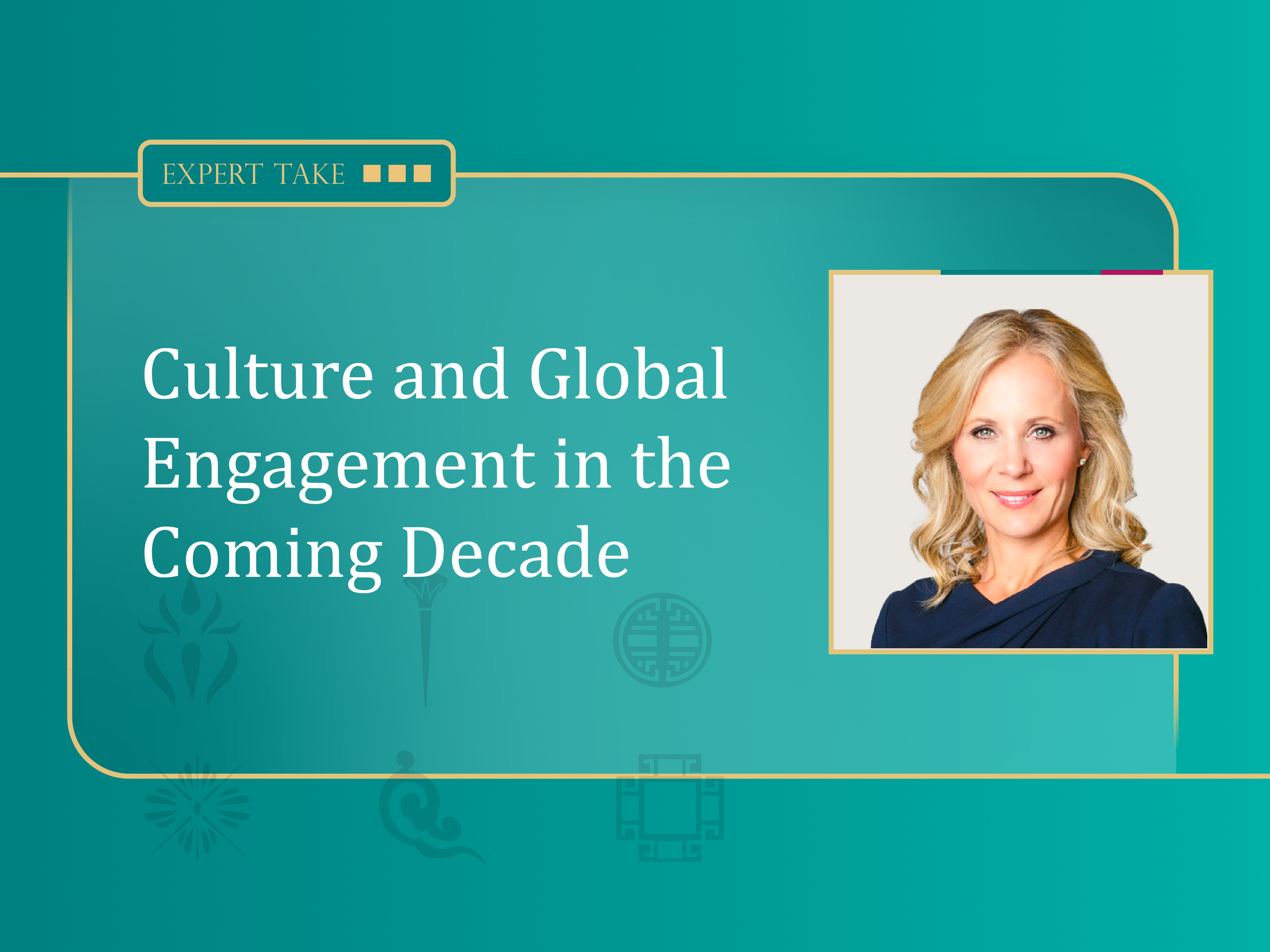
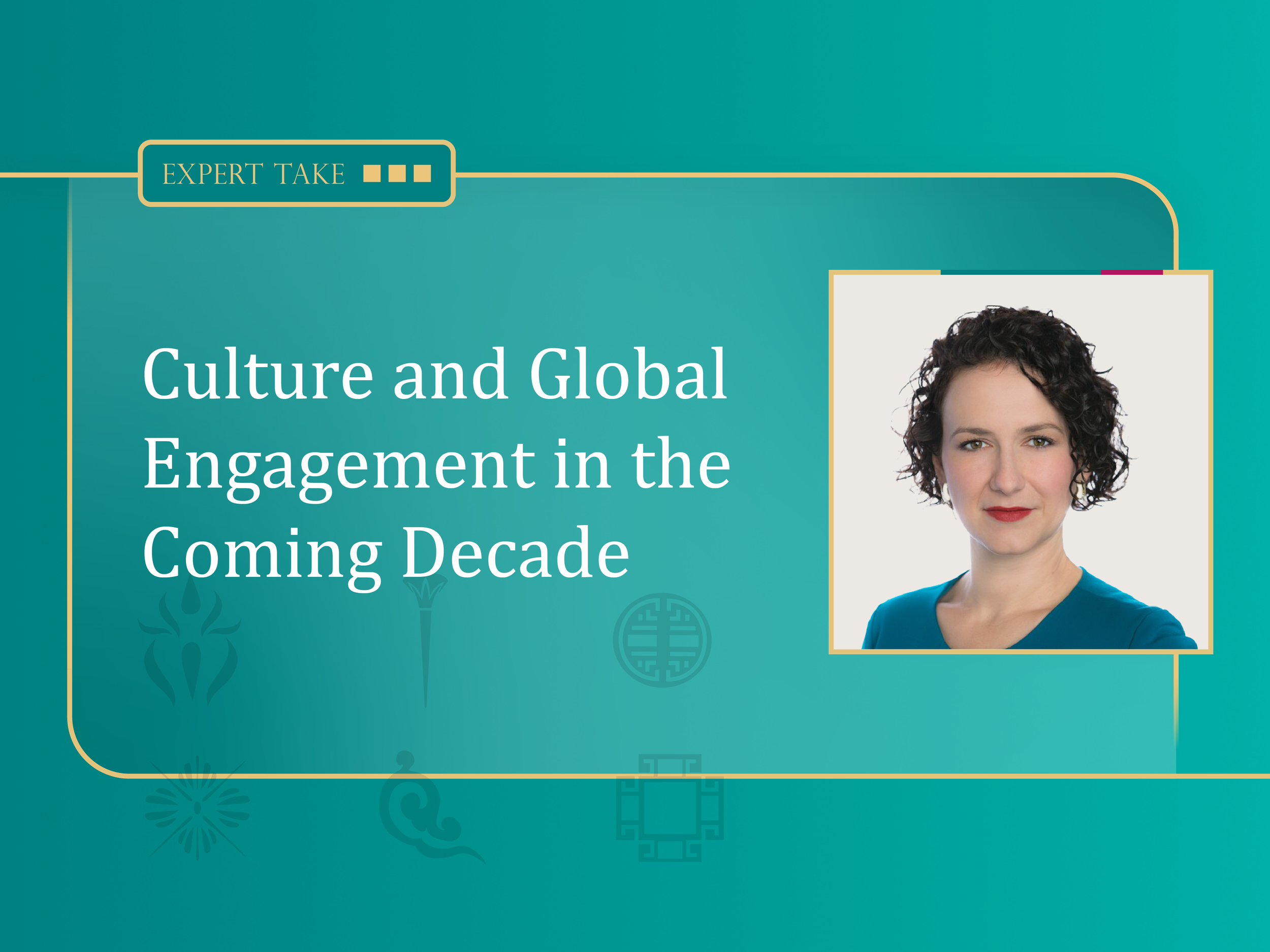
Deborah Lehr frames America’s 250th anniversary as an opportunity to redefine U.S. leadership for the 21st century. She highlights artists, entrepreneurs, athletes, scientists, universities, and cultural institutions as vital ambassadors capable of building trust where traditional diplomacy cannot. Lehr argues that culture remains one of America’s most enduring sources of global influence.
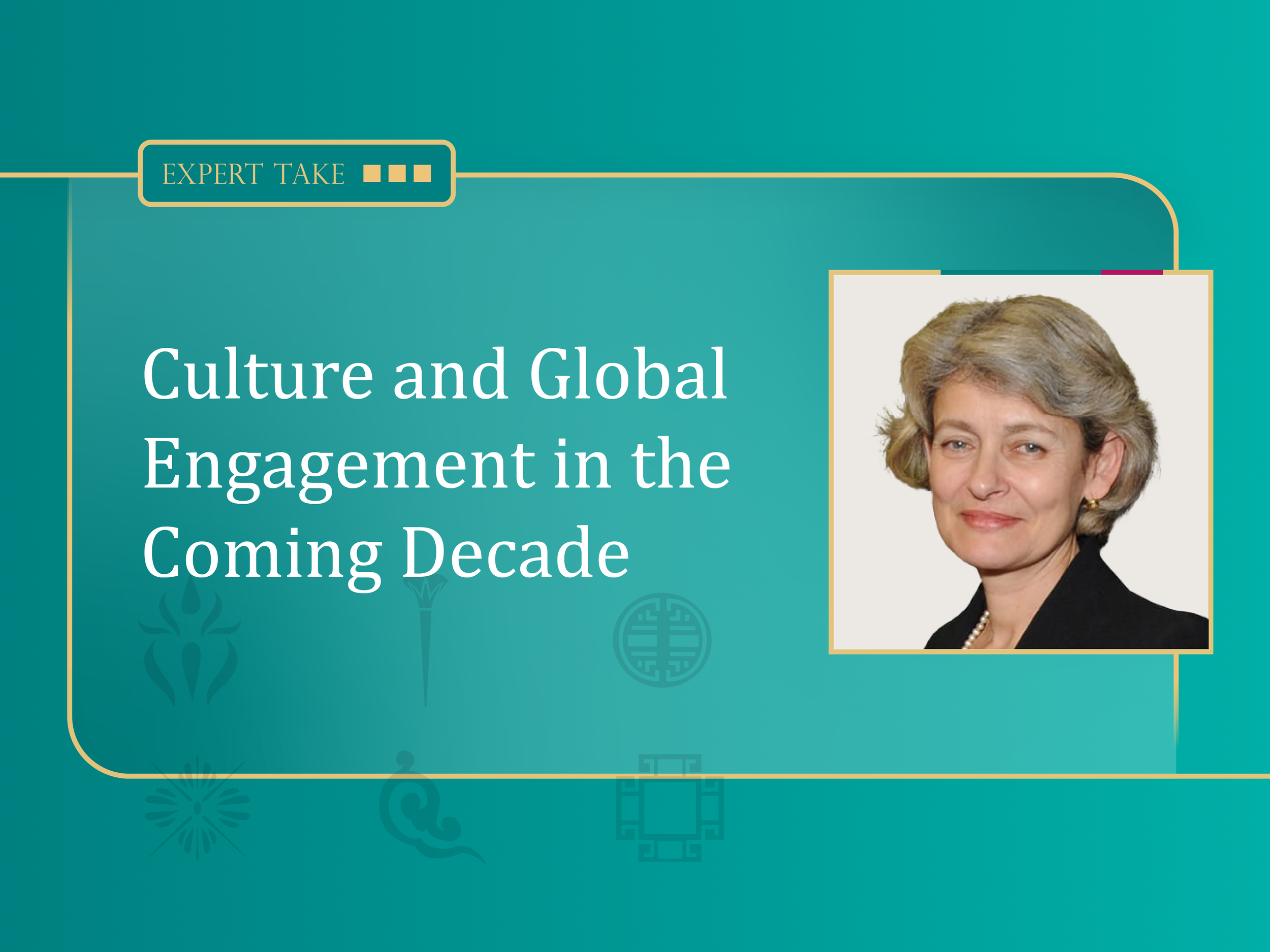
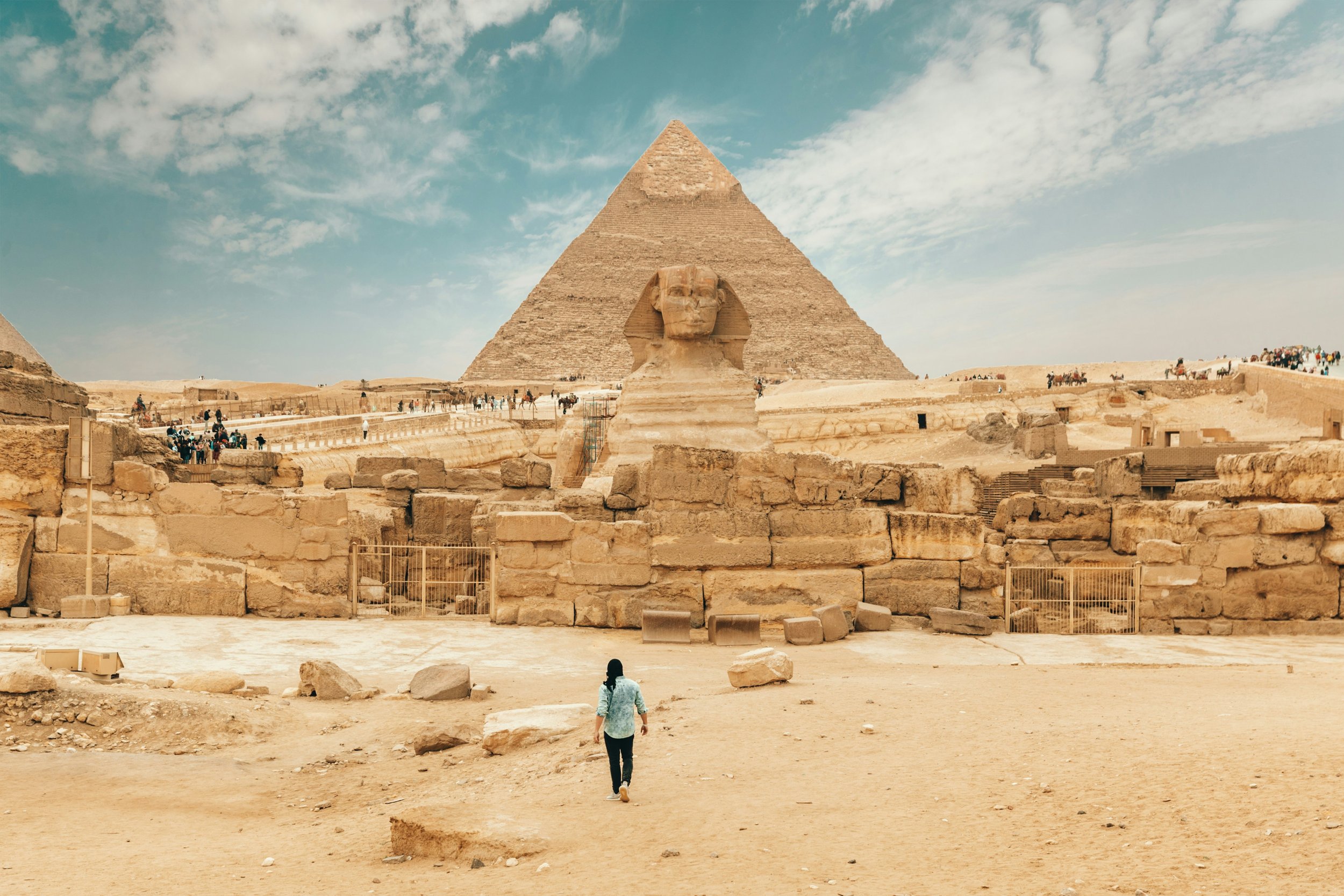
Irina Bokova emphasizes culture’s ability to build trust, sustain relationships, and foster collaboration beyond politics. Drawing on America’s history of cultural and educational diplomacy, she identifies heritage conservation and archaeological partnerships as powerful avenues for advancing diplomacy, education, and scientific cooperation. Bokova argues that these investments can create an impact extending well beyond the 250th anniversary.
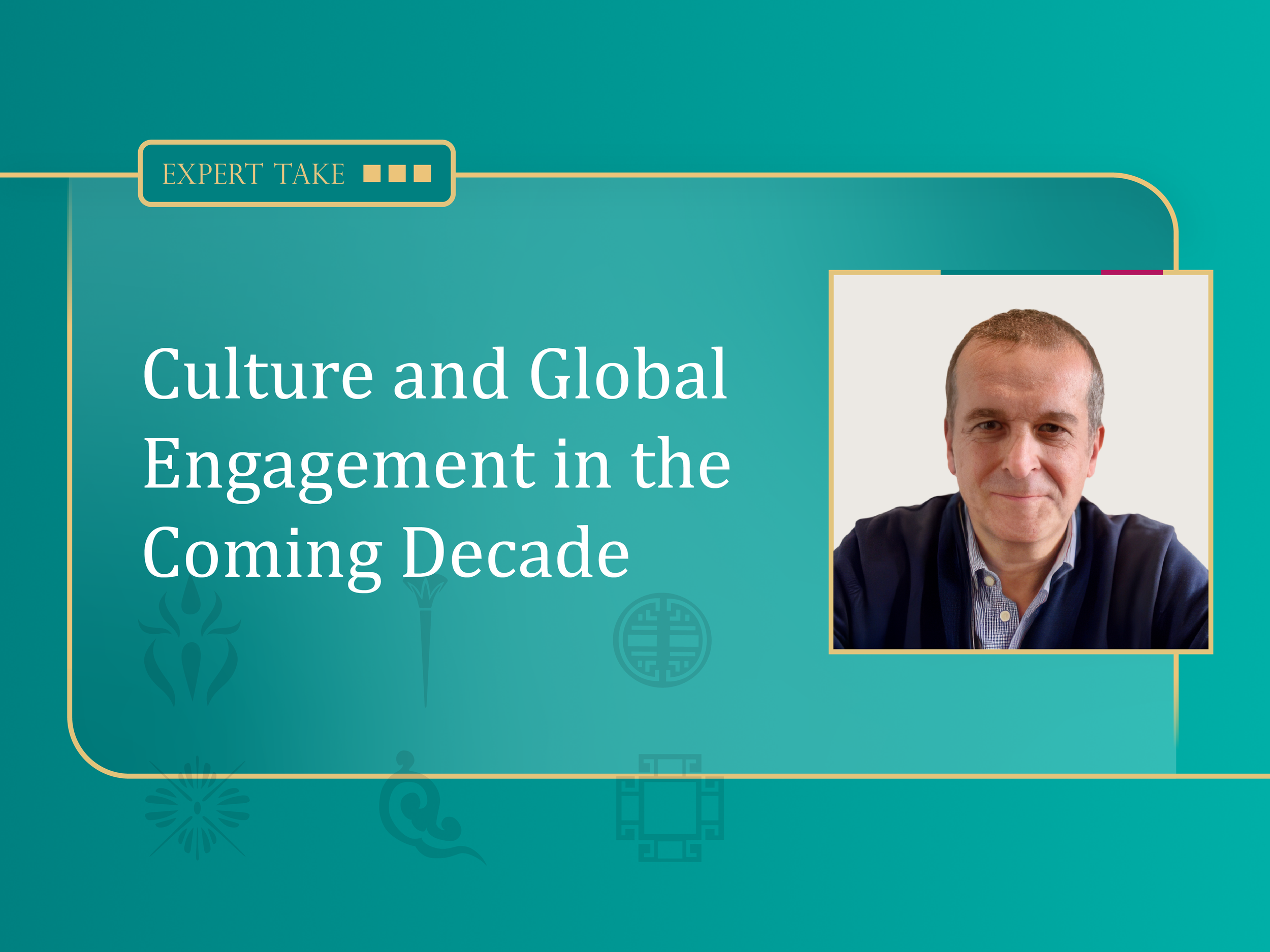
Dr. Stephen Browne presents culture as a shared global resource capable of bridging political and social divides. Drawing on decades of international conservation work, he highlights America’s leadership in heritage stewardship, global partnerships, and philanthropy. Browne calls for renewed investment in cultural exchange and conservation—alongside a broader shift toward protecting heritage as a collective responsibility for
future generations.
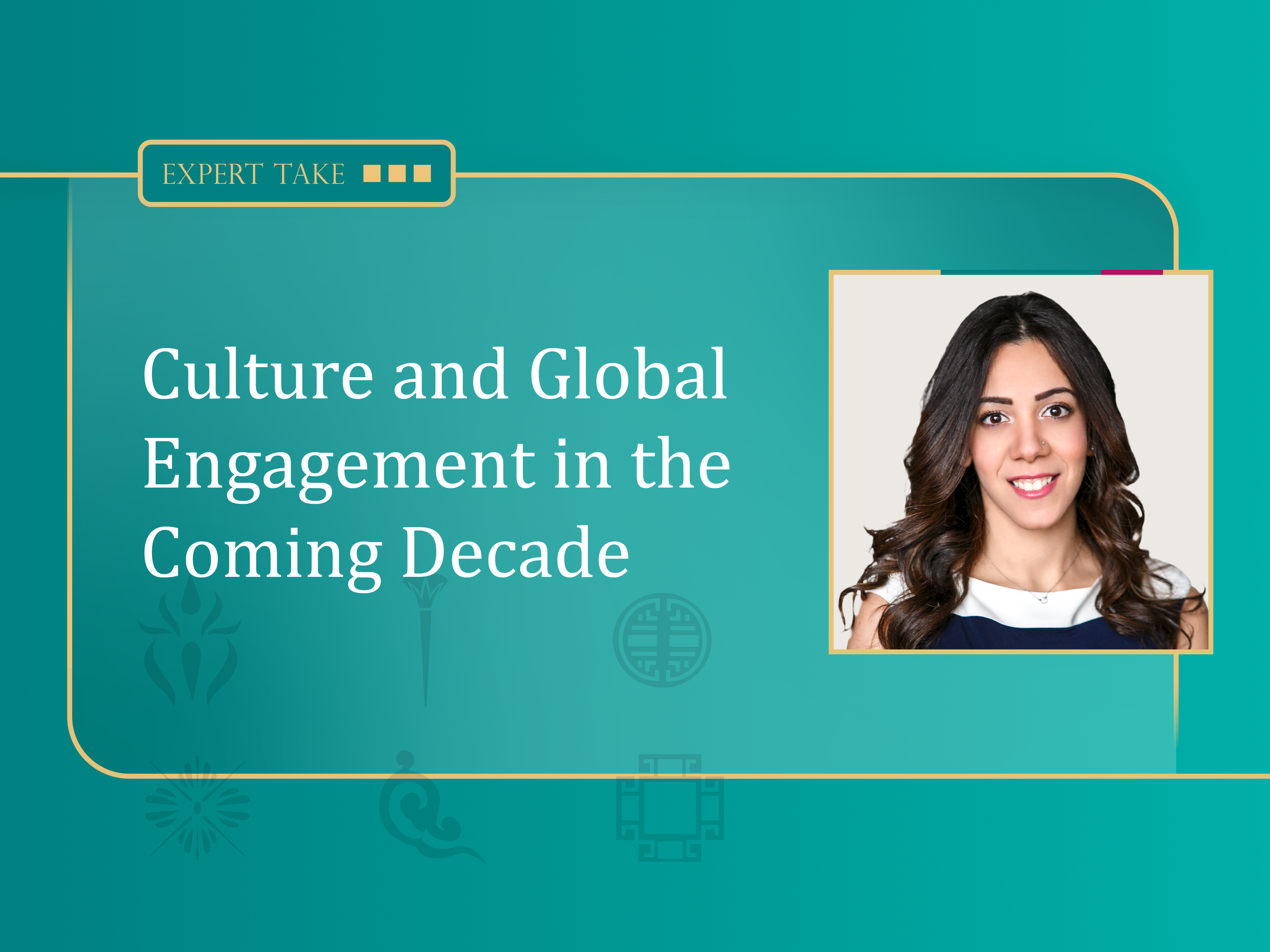
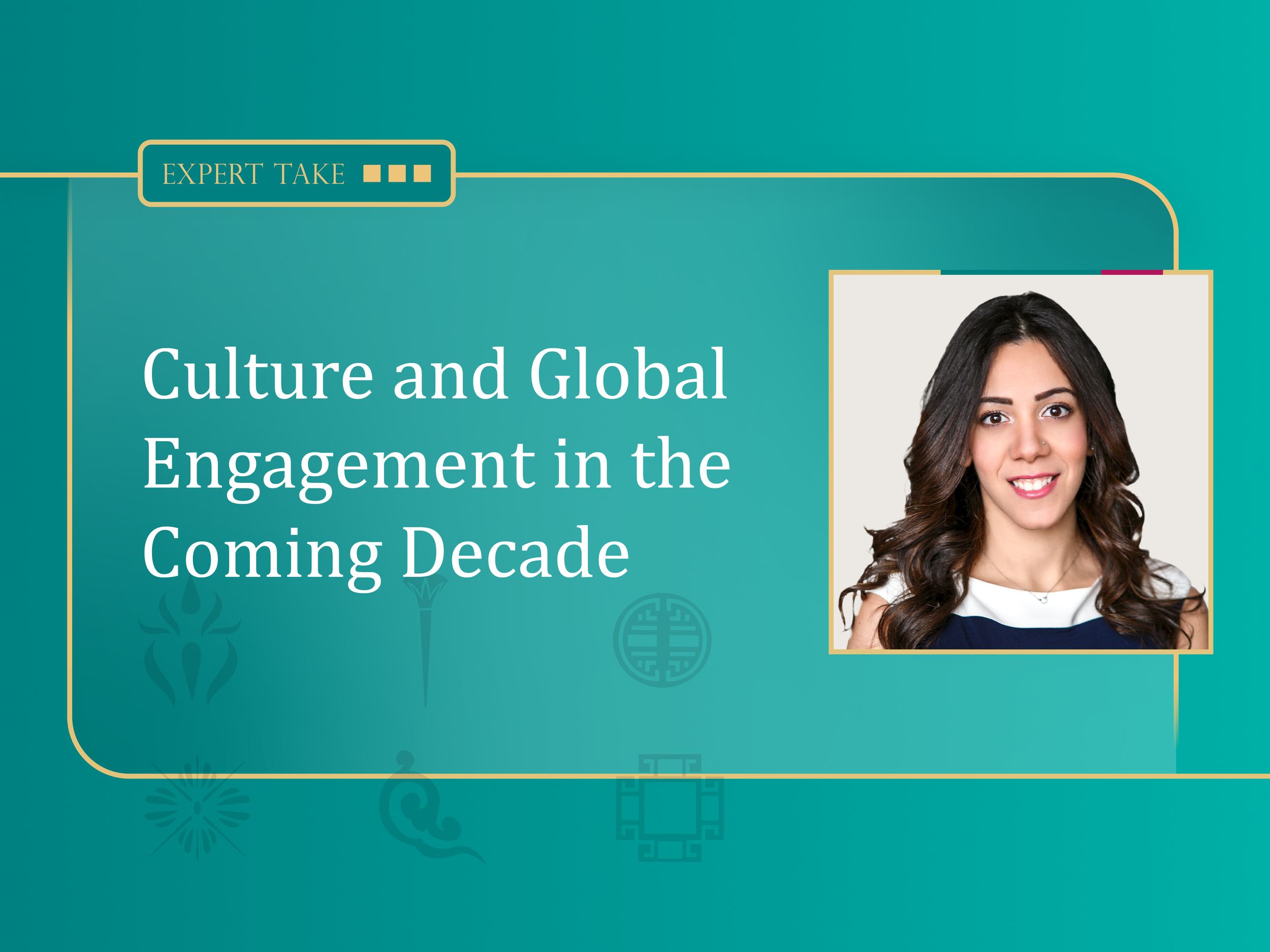
Yousra Abdelhameed sees America’s 250th anniversary as a chance to introduce the country’s next chapter to the world. She points to sports, the arts, education, and cultural exchanges as platforms for strengthening partnerships, attracting investment, and expanding tourism. Abdelhameed argues that countries treating culture as a long-term strategic asset will drive both international engagement and economic growth.
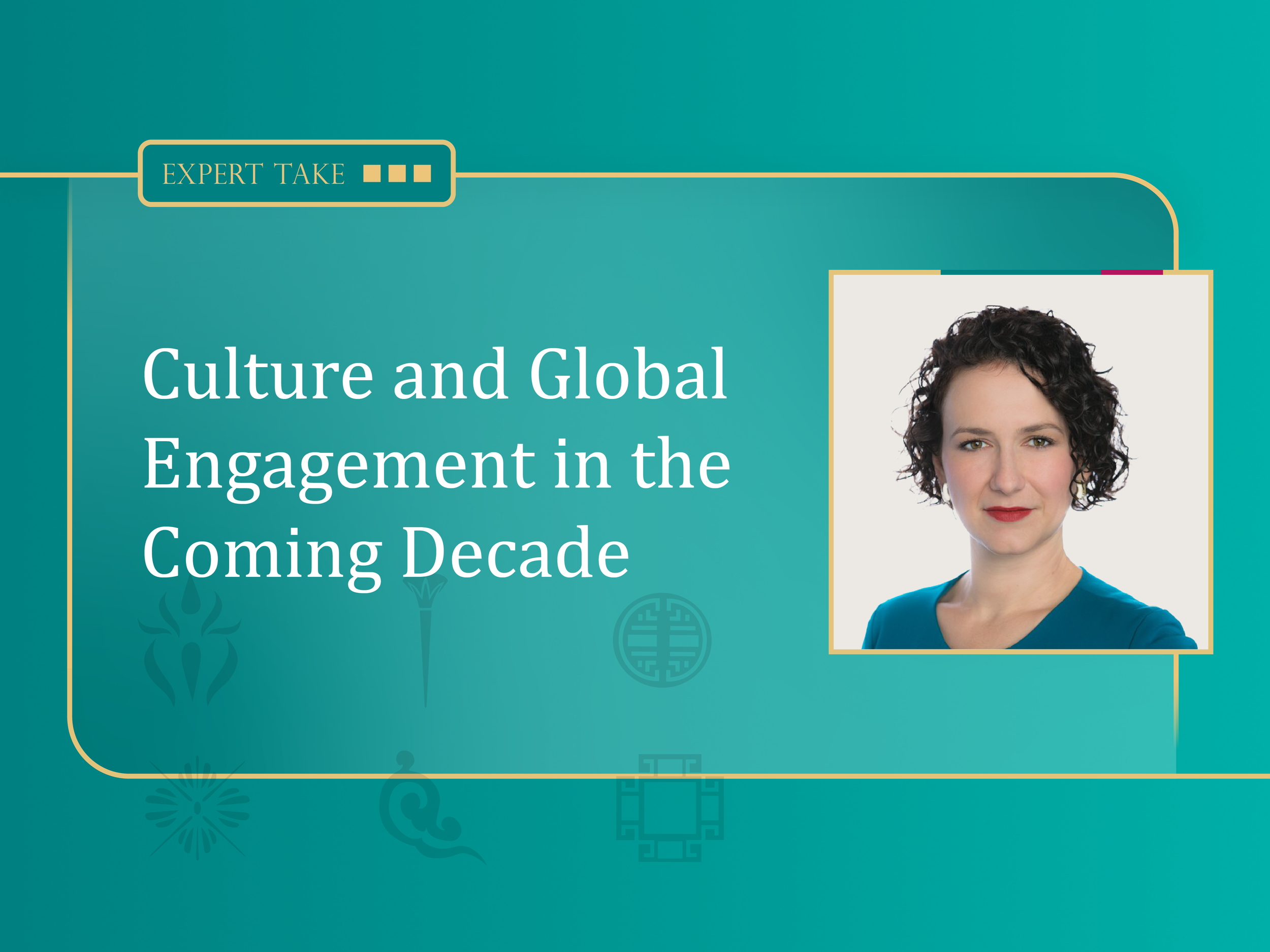
Tess Davis highlights cultural heritage as a bridge between peoples, and antiquities trafficking as a threat to that connection. With the world’s largest art market and many leading museums, she argues that the United States has both a responsibility and an opportunity to combat the illicit trade. Davis underscores how law enforcement, responsible collecting, and proactive repatriations can strengthen international partnerships while building a safer and more legitimate cultural market.
Published by Basilinna Institute. All rights reserved.
Dive deeper
Explore more of our insights on Culture, Heritage, and beyond