

From Picnic Nuisance to Ecological Champion: It’s Time We Value Pollinators
By Deborah Lehr
June 12, 2025
June is National Pollinators Month
A timely reminder that the birds, bees, bats, and butterflies we often overlook—or even fear—are actually among the most critical workers in our global ecosystem. These pollinators are more than fleeting visitors to summer picnics or creatures we instinctively shoo away.
They are, in fact, essential laborers in maintaining biodiversity, food production, and the stability of our natural systems.
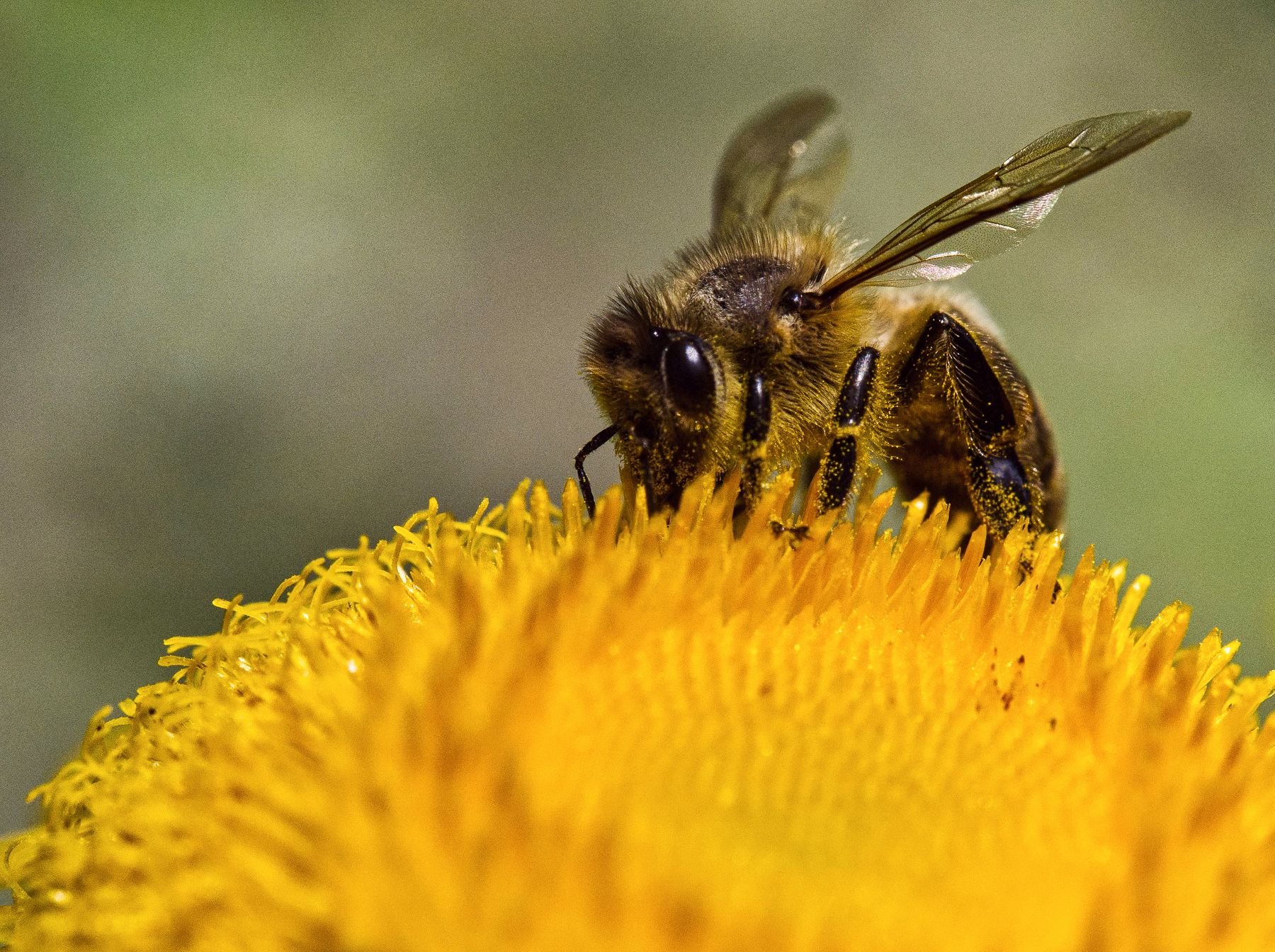
3/4ths of the world's flowering plants and about 35 percent of the world's food crops depend on animal pollinators to reproduce.
This means that one in every three bites of food we eat relies on pollination from apples to almonds, coffee to cocoa. And yet, despite this outsized contribution, pollinators are in crisis.
Globally, pollinator populations are plummeting due to habitat destruction, pesticide use, climate change, and disease.
Nature has tangible economic value
Their decline is not just an environmental issue—it’s a clear threat to global food security, rural livelihoods, and ecological resilience.
More than one-fifth of native pollinators in North America, particularly bees and butterflies, are at an elevated risk of extinction.
The warning signs are particularly stark in the U.S., where epidemiologists forecasts that commercial honeybee colony deaths could reach 70% by 2025—a sharp rise from the already unsustainable average annual losses of 40–50% in recent years and far above the 20% threshold considered manageable for agricultural pollination systems. Such alarming figures underscore the vulnerability of America’s food security in the face of ecological decline, especially in California, where crops like almonds, coffee, and cocoa—highly dependent on pollinators—make up a major share of the state’s agricultural economy.
At Basilinna, we try to promote ways to measure, fund, and protect the nature-based ecosystems that underpin our global economy.
Nature should be seen not just as a moral or aesthetic good, but as a strategic asset with tangible economic value. Through our work at Basilinna, we try to promote ways to measure, fund, and protect the nature-based ecosystems that underpin our global economy.
how do we protect nature-based ecosystems?
Pollinators should be at the heart of this effort.
This will require designing economic models that reflect the real value pollinators provide to agriculture, biodiversity, and climate adaptation.
Wild pollinators contribute an estimated $235–$577 billion annually to global crop production, yet this significant value is rarely reflected in financial systems.
Wild pollinators contribute an estimated $235–$577 billion annually to global crop production.
We recognize it is not an easy task to put a financial value on these producers. But we can take steps to better protect them. It means investing in habitat restoration, pesticide reform, and sustainable farming systems. It means engaging the financial sector, governments, and communities to recognize pollinators not as free goods, but as small yet mighty service providers whose contributions deserve compensation and protection.
From nature-negative to nature-positive
There is a growing movement to shift from nature-negative to nature-positive finance through tools such as biodiversity credits, agricultural incentives, and conservation bonds.
We can shift from nature-negative to nature-positive finance through tools such as biodiversity credits, agricultural incentives, and conservation bonds.
If we want to ensure food systems are resilient and landscapes remain lush and productive, we need to protect the small but mighty species that make it all possible. This National Pollinators Month, let’s replace fear with awe, and neglect with action. It’s time we see pollinators not as peripheral, but as central to the systems we depend on — for food, for health, for life itself.
