

Biodiversity Crime Is a Global Security Threat. It’s Time We Treated It Like One.
By Deborah Lehr
May 22, 2025
We are living through an unprecedented collapse of biodiversity
Scientists estimate that species are going extinct at a rate not seen in human history, with one million plant and animal species now at risk of disappearance.
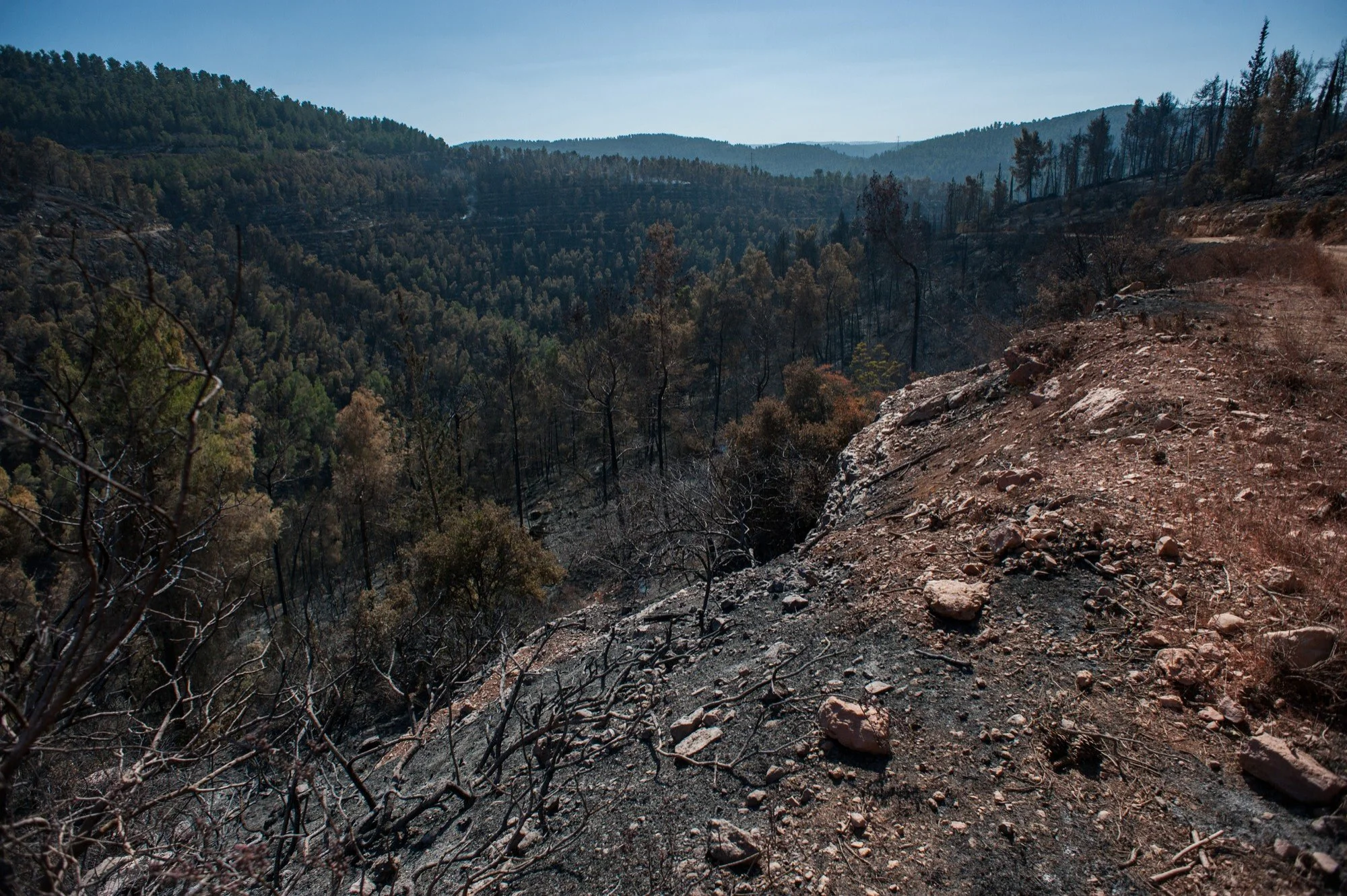
Forests are falling
|
Coral reefs are bleaching
|
And ecosystems once thought resilient are reaching tipping points.
|
While climate change and habitat loss are well-known culprits, there is another, less visible force helping to accelerate this crisis:
biodiversity crime.
What is Biodiversity Crime?
Biodiversity crime is not just an environmental concern. It is a global, organized, and multi-billion-dollar threat to security, stability, and sustainable development—and it is growing.
Biodiversity crime refers to any illegal activity that harms ecosystems, species, or natural resources for financial or strategic gain. This includes far more than wildlife trafficking.
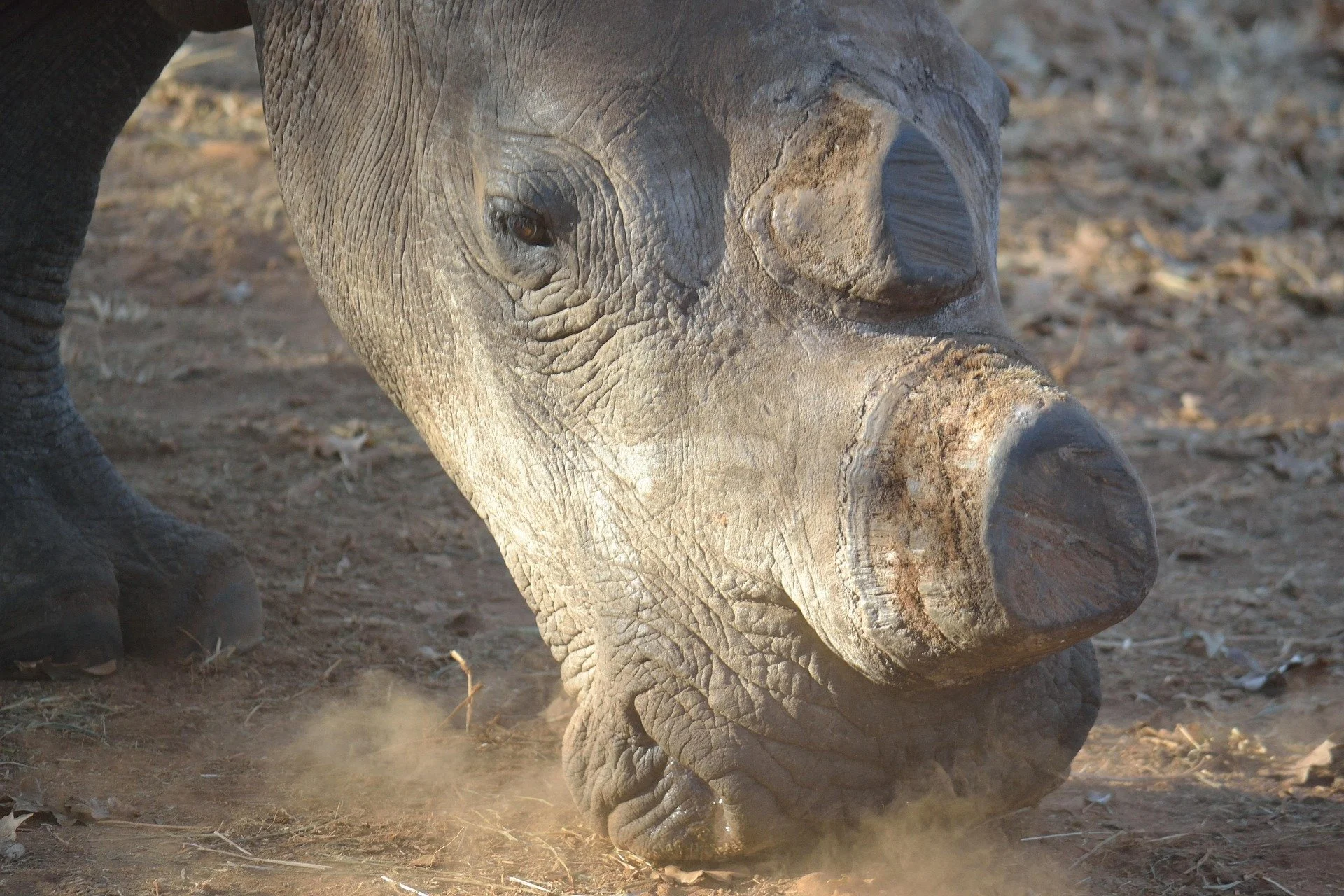
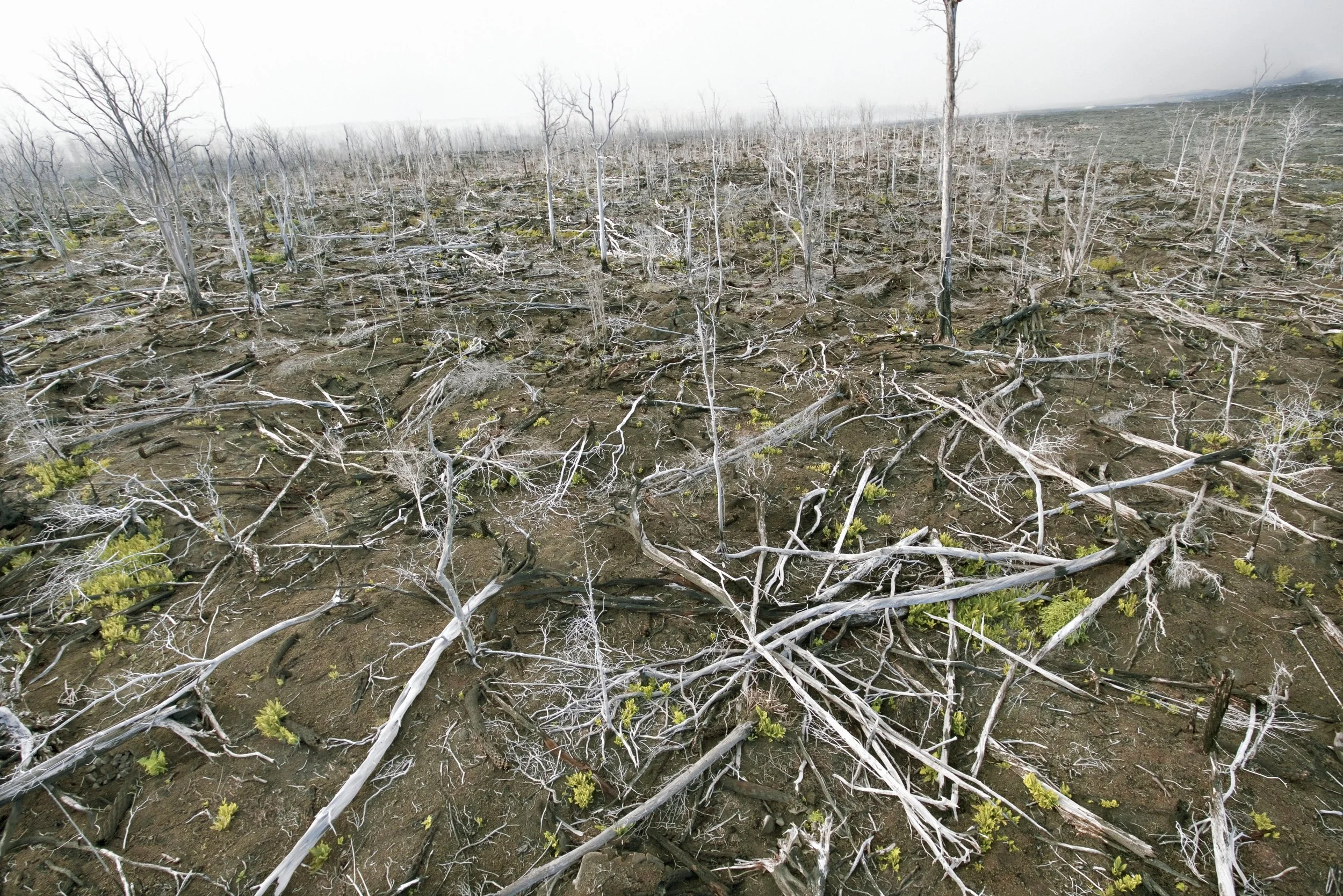
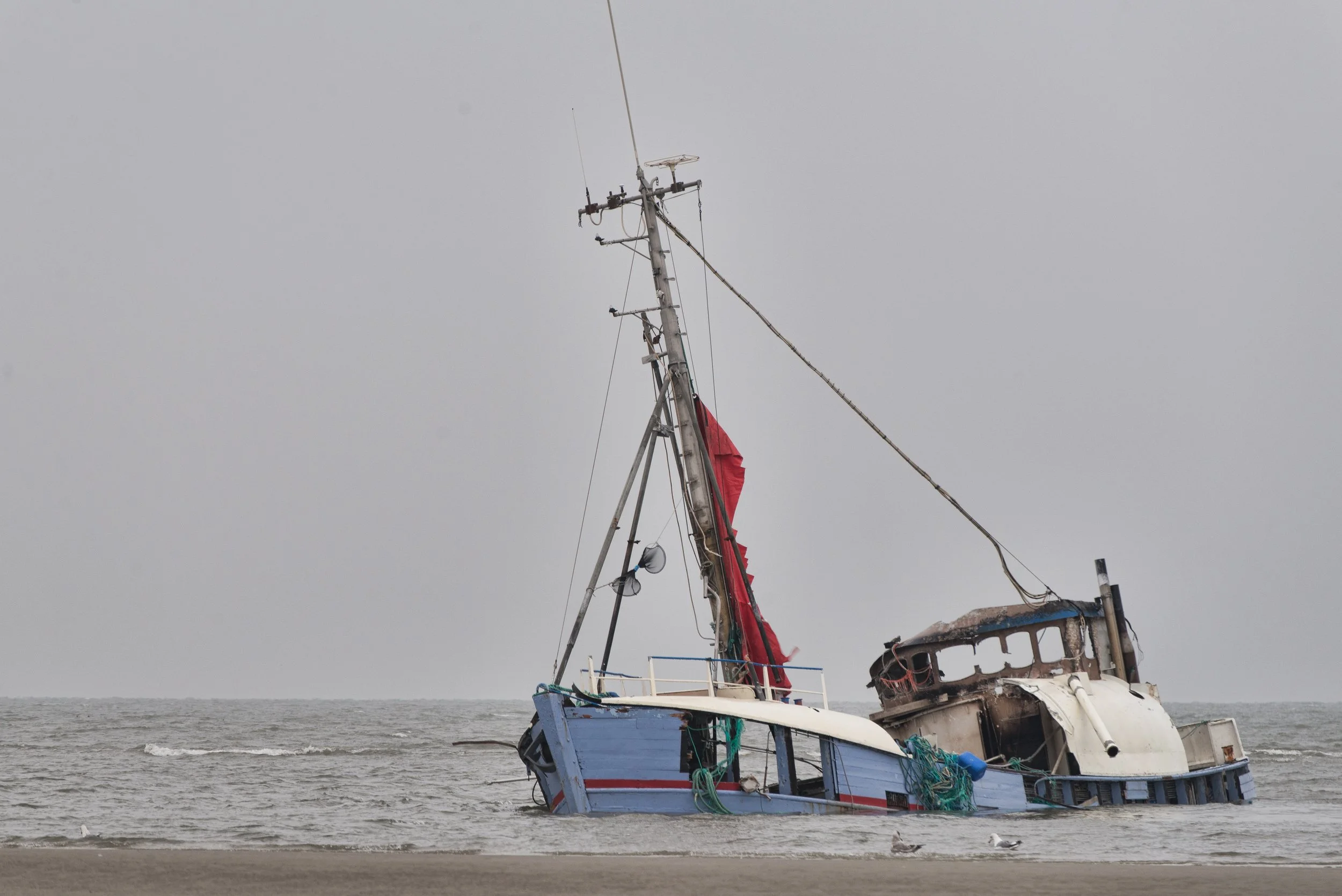
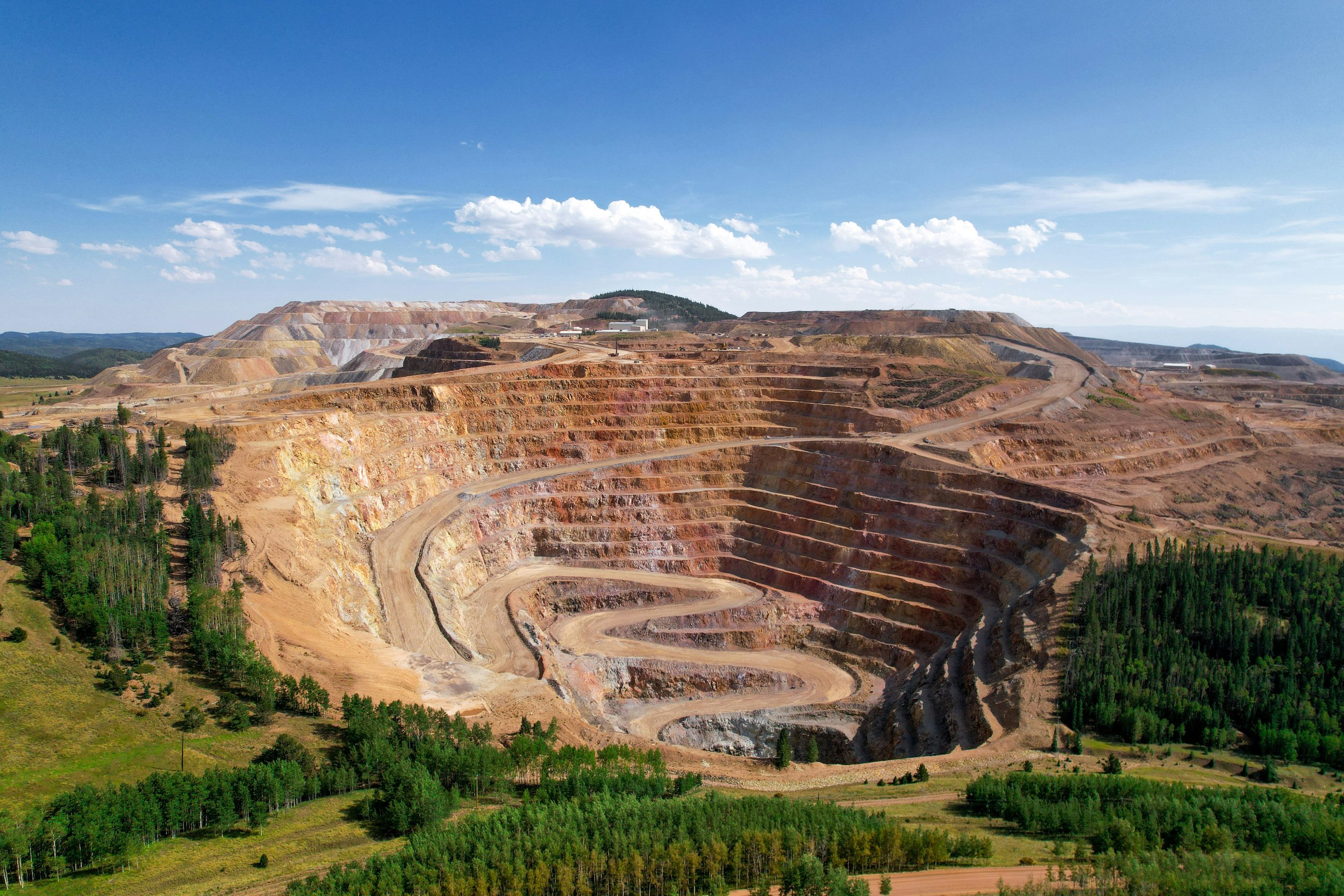
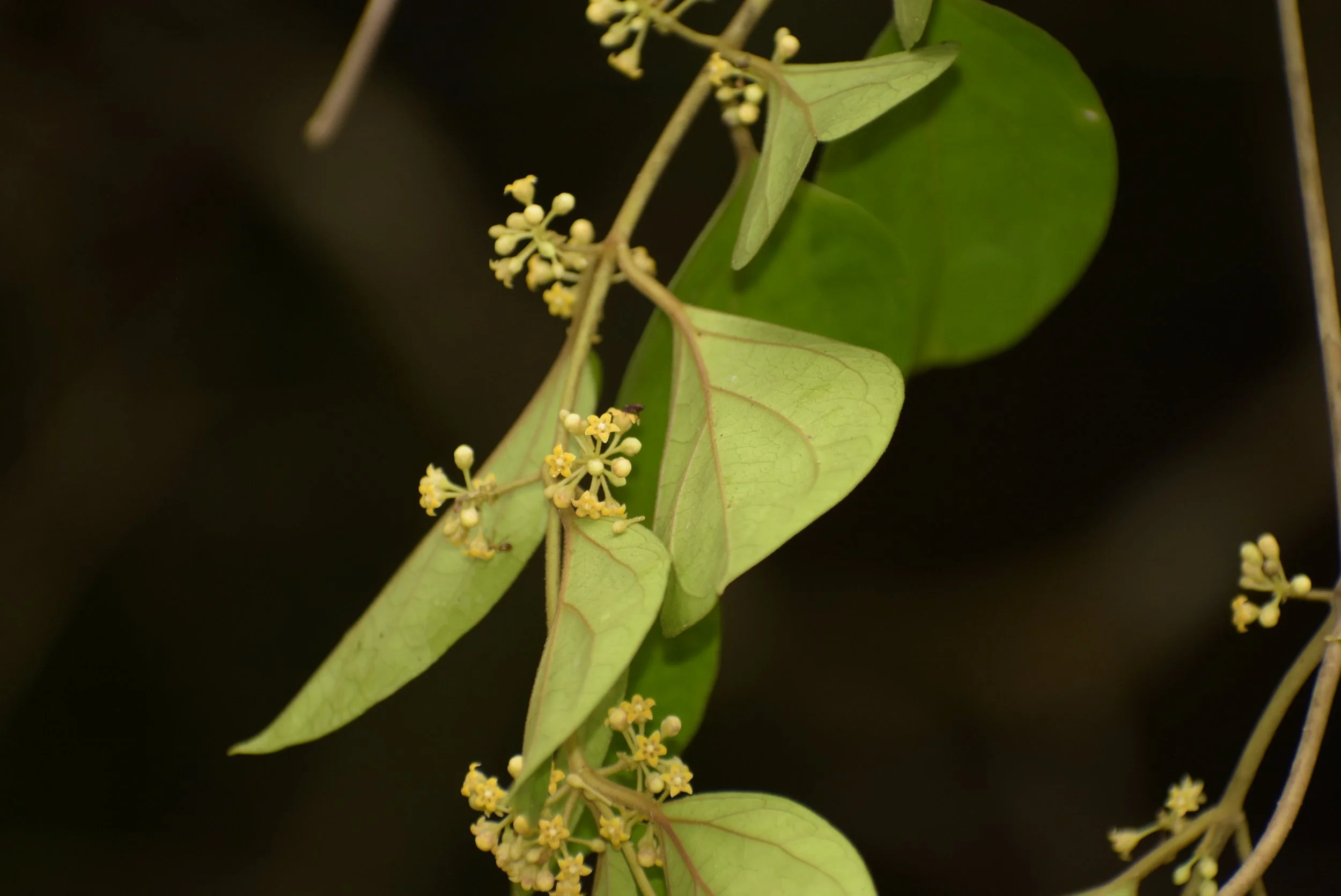
When defined more broadly, biodiversity crime encompasses:
Illegal wildlife trade: poaching and trafficking of endangered species, valued at $7–23 billion annually, according to the United Nations Office on Drugs and Crime (UNODC).
Illegal logging: responsible for up to $152 billion per year, much of it in biodiversity-rich tropical forests.
Illegal, unreported, and unregulated (IUU) fishing: depleting marine ecosystems at an estimated cost of $10–23.5 billion annually.
Illicit mining and extractives: including unauthorized gold mining and sand harvesting that destroy habitats and contaminate watersheds.
Land grabbing and habitat encroachment: often tied to illegal agricultural expansion into protected or indigenous lands.
Biopiracy: the unauthorized exploitation of genetic resources and traditional ecological knowledge.
Together, these crimes are estimated to represent over $100 billion per year in illicit revenue. They are closely linked to corruption, organized crime, tax evasion, money laundering, and—in some cases—terrorist financing. Yet enforcement remains fragmented, underfunded, and largely reactive.
More than just an ecological issue
Biodiversity crime is more than just an ecological issue. It undermines national and global security and economic opportunity. Environmental crimes such as illegal logging, wildlife trafficking, and unregulated mining fuel conflict, weaken governance, and exacerbate instability.
In regions like the Sahel, Central Africa, and Southeast Asia, biodiversity crime directly helps finance armed groups and erodes state authority, making fragile regions even more vulnerable to unrest and violence.
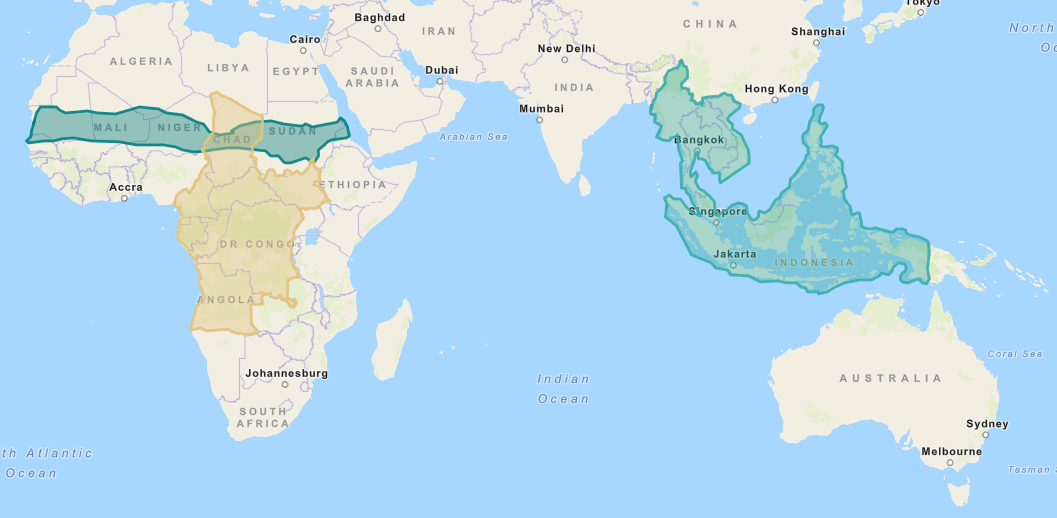
Global map highlighting the Sahel, Central Africa, and Southeast Asia. The borders and regional indicators shown are for illustrative purposes only and do not represent precise geopolitical boundaries or official designations.
It also threatens economic resilience. The degradation of ecosystems compromises food security, disrupts livelihoods, and increases vulnerability to natural disasters.
The World Economic Forum ranks biodiversity loss and ecosystem collapse among the top global risks, both in terms of likelihood and potential impact on human systems.
Biodiversity crime increases health risks as well. The decline in wildlife populations has been directly linked to the rise in zoonotic disease, as closer contact between humans and disrupted animal habitats raises the chance of disease spillover—just as we saw with COVID-19.
The destruction of forests and wetlands, which serve as critical natural carbon sinks, accelerates climate change. By eliminating these buffers, biodiversity crime not only contributes to emissions but also undermines the ability of ecosystems to mitigate global warming. It also comes with an economic cost, as we see a rise in desertification, for example, with the destruction of forest coverage.
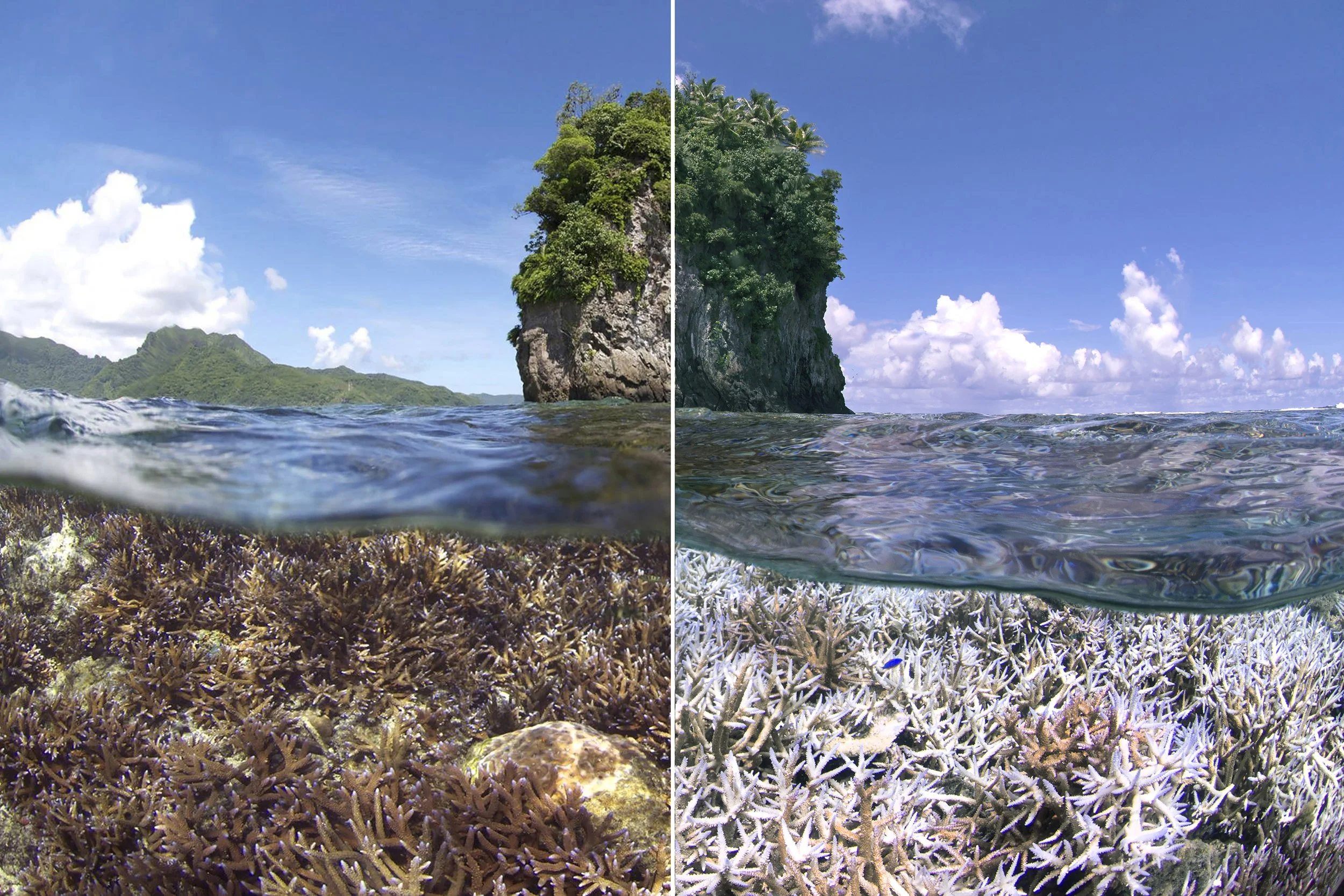
Coral Bleaching in American Samoa, Before (Dec 2014) & After (Feb 2015) (The Ocean Agency)
How to Take Action
Despite the scale of the problem, biodiversity crime remains largely under-addressed in global policy and financing. To confront it effectively, governments, multilateral institutions, and the private sector should coordinate better for results. This work has already been done, to some effect. Yet there is a long way to go. Here are some ways that we can all make a difference.
1. Strengthen enforcement and legal deterrents
As a first step, we should strengthen enforcement and legal deterrents. That includes cross-border investigations, expanded training and mandates for customs and financial intelligence units, educate prosecutors, and adopt harsher penalties—not just for poachers, but for the financial and political actors who enable them.
2. Expand efforts to track and cut illicit finance
Biodiversity crime often uses the same routes and laundering mechanisms as the trafficking of arms or narcotics.
Also, efforts to track and cut illicit finance should expand. Biodiversity crime often uses the same routes and laundering mechanisms as the trafficking of arms or narcotics. Anti–money laundering frameworks should explicitly include environmental offenses and “follow the money” that funds ecological destruction, as we see happening with other transnational crimes.
3. Mobilize nature-positive finance
In addition, we also need to mobilize nature-positive finance. Instruments such as conservation bonds, green performance contracts, and biodiversity credits can redirect capital toward ecosystem protection and restoration, creating new incentives for sustainability. This work has started with the rise of organizations such as NatureFinance and the attention of the World Bank and other multilateral institutions, but it is still a new field.
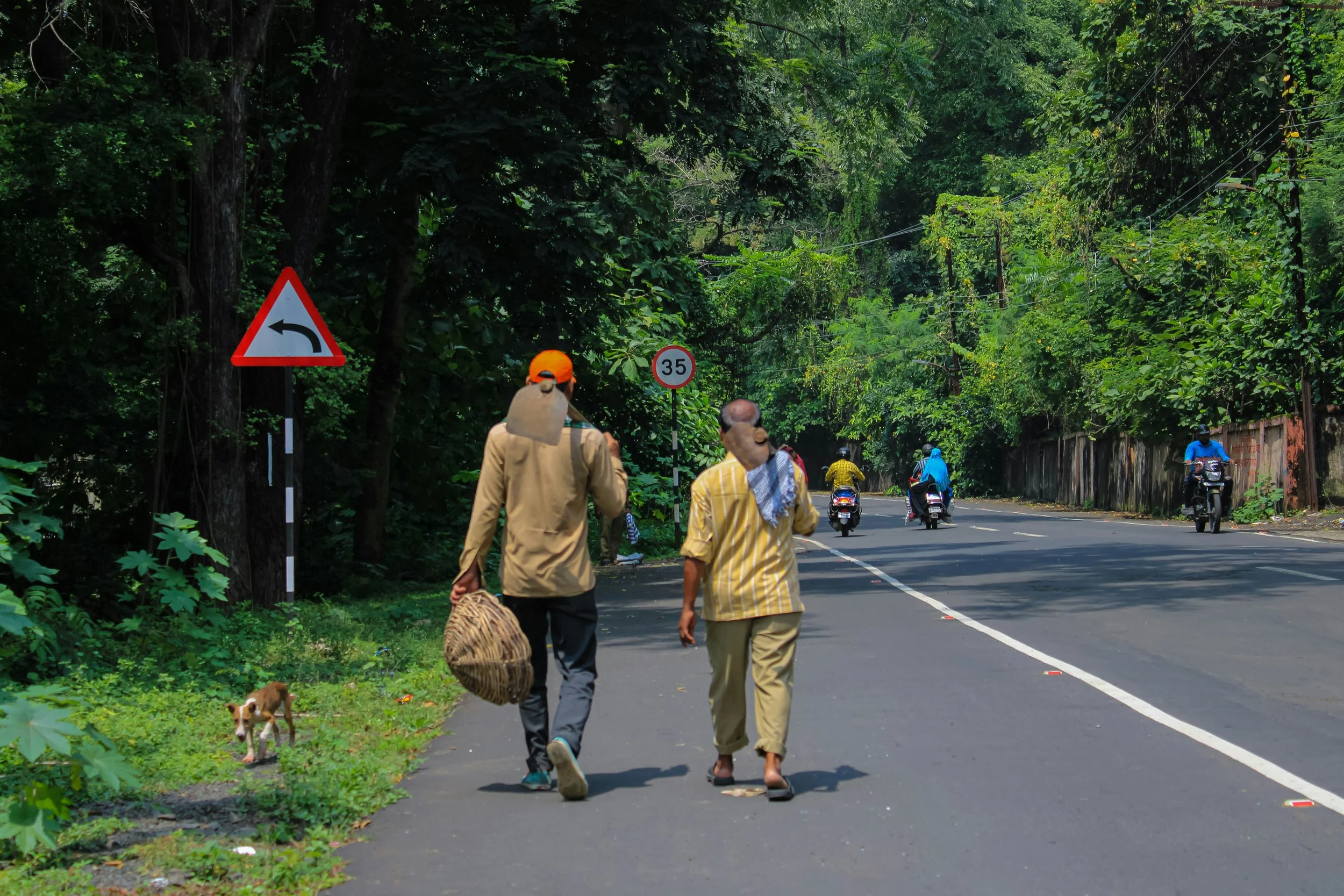
Indigenous peoples and local stewards manage more than 80% of global biodiversity.
Ensuring their rights and leadership is strategic.
These crimes start at the local level – and so we need communities to understand the importance of protecting their natural capital – often viewed as a free good – and how it relates to their economic and general well-being.
Early-stage global efforts
The global community has taken some initial steps.
The UN Convention on Biological Diversity’s Global Biodiversity Framework includes ambitious targets. INTERPOL and CITES coordinate enforcement efforts. Financial institutions are beginning to act through the Taskforce on Nature-related Financial Disclosures (TNFD). But the gap between rhetoric and results remains wide.
Our natural ecosystems are foundational to our food systems, our economies, our public health, and our shared humanity.
Our natural ecosystems are not a luxury—they are foundational to our food systems, our economies, our public health, and yes, our shared humanity. They are worth protecting simply because of the sheer beauty of nature. On this International Day for Biological Diversity, it is time to reconsider the role that nature plays in our lives. Protecting biodiversity is not just about saving species. It is about safeguarding our future.
