The following are strategic takeaways for business and what we’re watching, a sample of our full bi-weekly insights covering the intersection of technology, trade, and global business.
For the full insight contact Jake E. Jennings.
March 3, 2026

Strategic Takeaways for Business
IEEPA Authority Invalidated, Statutory Tariffs Become the Only Path
With emergency tariff powers struck down, the administration can no longer rely on rapid, unilateral IEEPA actions. Any future duties must now proceed through other statutory provisions (e.g., Sections 122, 301, or 232)—locking trade measures into formal investigations, evidentiary records, public comment periods, and interagency review, and making statutory process the central channel for tariff escalation.
India Deal Repriced Under New Baseline
The shift from IEEPA-based tariffs to a 10% Section 122 baseline underscores that negotiated country rates can be recalibrated when legal authorities change, limiting the durability of interim reciprocal frameworks.
EU Ratification Risk Signals Deal Fragility
Brussels’ pause highlights that partners are unlikely to lock in concessions without clarity on future U.S. statutory actions, raising the probability that sector-specific tariffs could override headline caps.
ART Frameworks Offer Preference, Not Protection
Reciprocal trade agreements improve relative tariff positioning but preserve U.S. 301 and 232 authority, meaning alignment reduces risk at the margin without insulating firms from future remedial actions.
USMCA Exemption Raises Regional Stakes
Relief from the Section 122 tariff strengthens North American sourcing incentives, yet unresolved 232 and 301 exposure signals that the 2026 review could become a negotiation over enforcement boundaries within the bloc.
U.S.–China Controls Enter Structured Escalation
Intensified Chinese rare-earth enforcement and prospective congressional review of AI chip licenses increase compliance burdens and heighten the likelihood that individual transactions draw political scrutiny.
AI Infrastructure Faces Regulatory Cost Pressure
Federal involvement in data center permitting and electricity pricing suggests that grid access, capital structure, and state-level oversight will materially shape deployment timelines and operating costs.
Investment-for-Access Model Gains Precedent
The U.S.–Japan framework reinforces a system in which tariff stability is conditioned on capital deployment and strategic alignment, requiring executives to integrate geopolitical positioning into long-term investment planning.
What We’re Watching
USMCA July 2026 Review
Washington, Ottawa, and Mexico City are preparing for the agreement’s first joint review by July 1, 2026, with early discussions likely to address treatment of future Section 301 and 232 actions, rules of origin, and non-tariff barriers that could reshape North American supply chains.
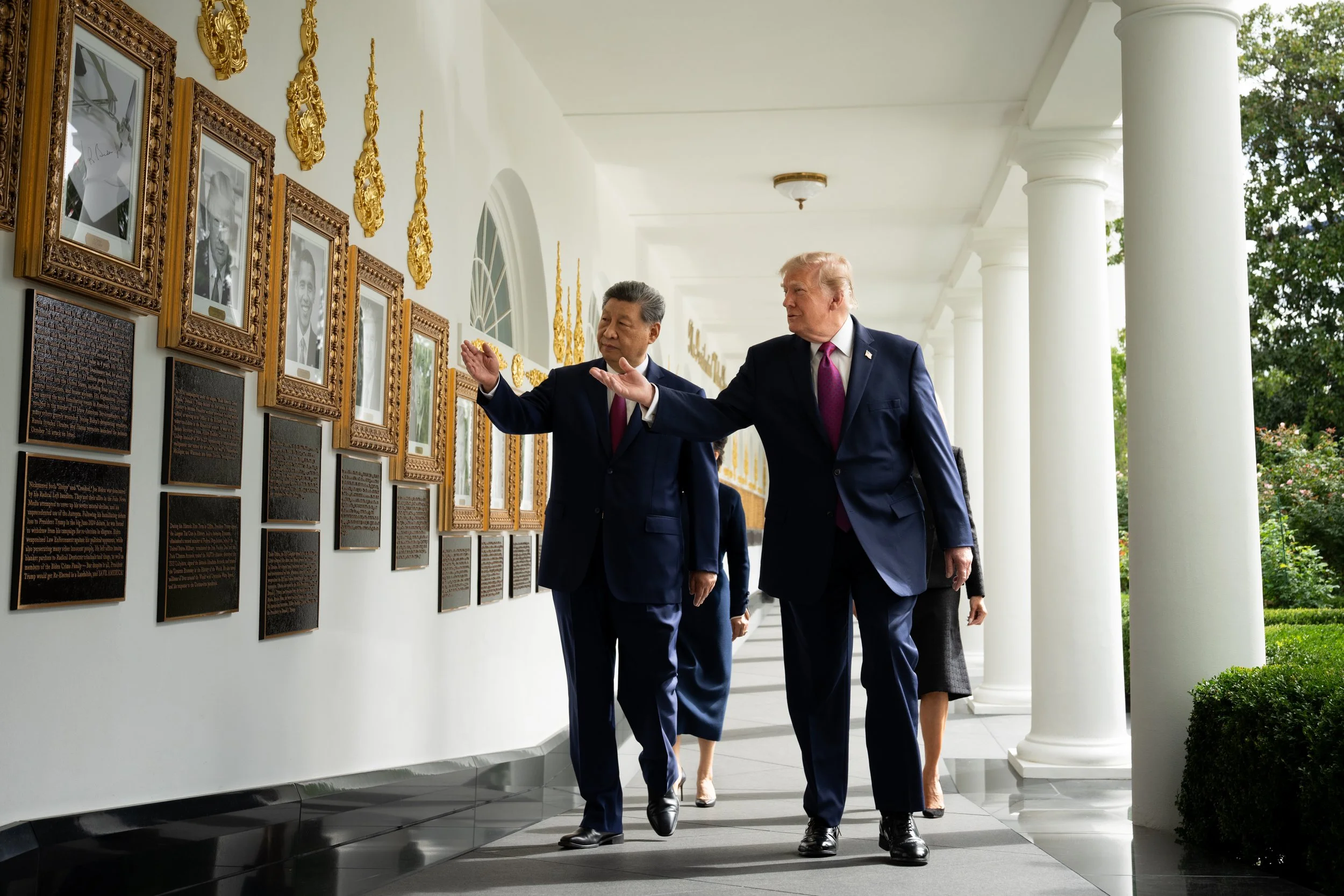
U.S.–China Presidents Trump and Xi April meeting in Beijing
The planned April 2026 meeting in Beijing will serve as a pivotal checkpoint for the current tariff truce and parallel export control understandings, shaping whether they are extended, recalibrated, or allowed to run toward their November expiration.
USTR Upcoming Hill Testimony on Trade Strategy
Ambassador Greer is expected to testify before House and Senate committees on how USTR will deploy Sections 122, 301, and 232 following the Supreme Court ruling, while outlining priorities for the 2026 USMCA review and the next phase of ART negotiations.
AI Security Policy Work at the White House
The U.S. cyber team is developing an AI security policy framework that will sit alongside the data‑center buildout push, signaling tighter expectations on how large providers secure AI models, training data, and high‑risk use cases.
Section 232 Expansion Looms
The Trump administration is preparing additional Section 232 determinations in semiconductors, pharmaceuticals, and critical minerals, with Commerce expected to advance probes in coming weeks. Companies should expect new tariff actions or quotas tied to national security findings before the USMCA review accelerates later this year.
6G Security Coalition
Western and Indo‑Pacific governments have launched a new 6G security coalition to shape early norms on openness, vendor risk, and supply‑chain resilience for next‑generation networks, with an eye on long‑run competition with China.
Published by Basilinna Institute.More Insights by Basilinna