Tech and Trade Strategic Insights: Beyond the Headlines
The following are strategic takeaways for business and what we’re watching, a sample of our full bi-weekly insights covering the intersection of technology, trade, and global business.
For the full insight contact Jake E. Jennings.
April 15, 2026

Strategic Takeaways for Business
U.S. Trade Strategy Consolidates Around Tariff Architecture
Washington is embedding tariffs into its baseline economic policy rather than using them purely as temporary leverage. The administration’s integration of the National Trade Estimate report into active enforcement means companies must treat Section 232 and 301 actions as permanent variables in supply chain design, particularly as the July 9 deadline forces bilateral concessions.
Courts Testing Legal Foundation for Administration Trade Policy
The ongoing Court of International Trade review of the Section 122 global tariff introduces severe timing risks for corporate planning. If the court accelerates the expiration of the 15 percent surcharge ahead of its statutory July 24 deadline, the administration will be forced to rely exclusively on targeted Section 232 authorities, radically altering the math for ongoing bilateral trade negotiations.
U.S.–China Trade Tensions Expand to Supply Chain Controls
Beijing and Washington are constructing parallel, competing regulatory regimes. By demanding granular production and end-use disclosures for controlled exports, China is establishing its own extraterritorial supply chain leverage. Multinational firms face a compounding compliance burden that operates independently of the tariff schedule.
MATCH Act Targets Semiconductor Equipment Exports to China
Bipartisan legislation targeting the servicing of semiconductor equipment already installed in China reveals a clear Congressional intent to close existing export control gaps. Because these provisions frequently bypass standalone votes to ride on must-pass defense authorizations, semiconductor equipment providers must evaluate their exposure to covered Chinese fabs ahead of legislative enactment.
Federal Semiconductor Bans Will Reshape Commercial Hardware Standards
The pending FAR Council rule prohibiting Chinese memory chips in government contracts forces prime contractors to execute forensic audits of tier-two and tier-three hardware suppliers. Because major IT providers rarely sustain parallel manufacturing lines, these strict federal decoupling mandates will likely become the default hardware baseline for the broader U.S. enterprise market well before the
2027 deadline.
What We’re Watching
FCC Set to Vote on Foreign Lab Restrictions
The FCC is scheduled to vote on April 30 on new rules limiting the use of foreign-owned or adversary-linked telecommunications testing labs, with the decision expected to tighten equipment authorization processes and reshape compliance requirements for global
telecom suppliers.
Trump–Xi Meeting
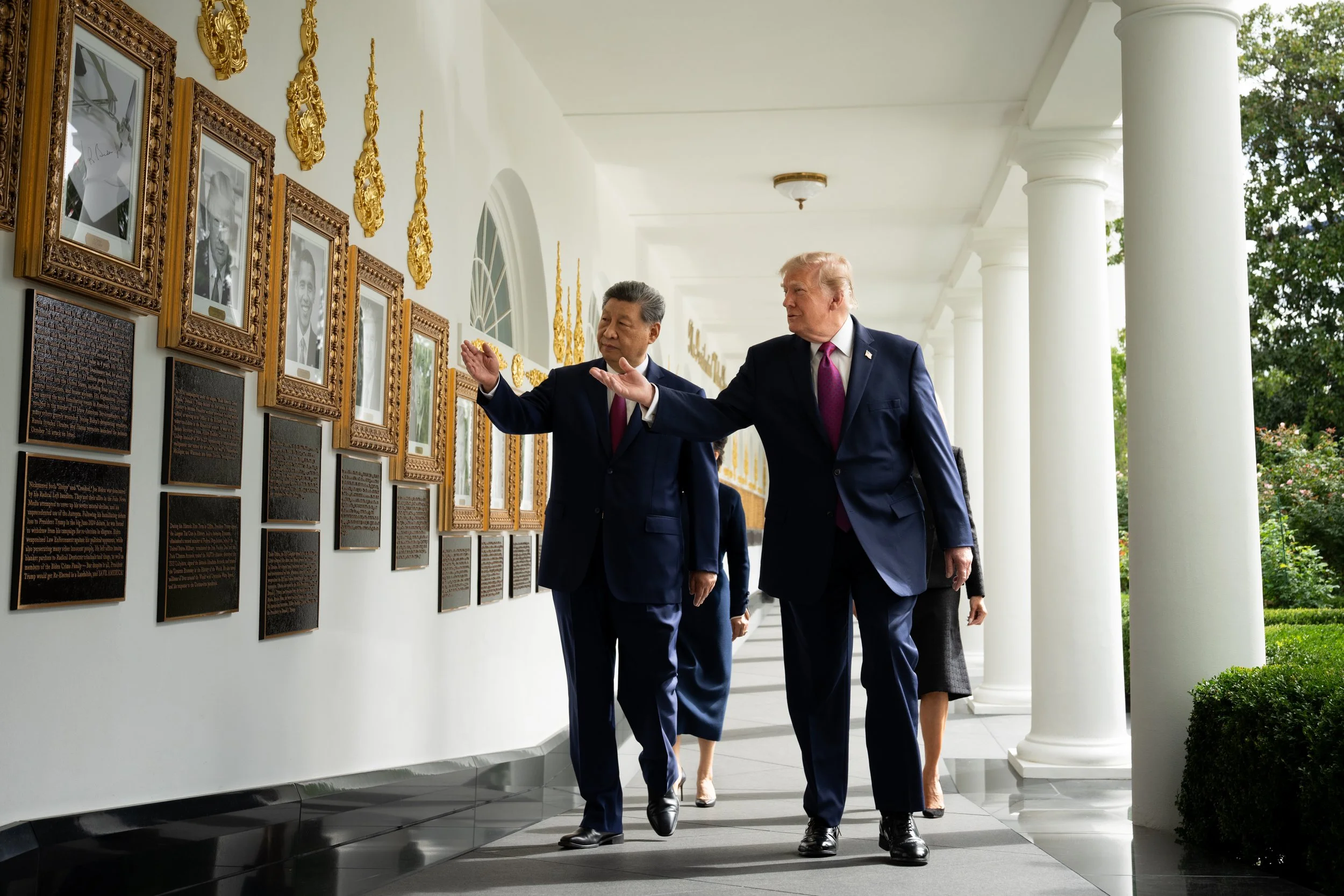
A meeting between President Trump and President Xi is expected to take place on May 14 – 15, with discussions likely to shape the next phase of the London framework, including export controls, critical minerals flows, and potential tariff decisions.
WTO General Council Meeting to Address Trade Fragmentation
The WTO General Council is set to convene in the near term, with members expected to debate institutional reform and dispute resolution as major economies continue shifting toward bilateral and unilateral trade measures.
July 9 Tariff Deadline Approaches
The administration’s July 9 deadline for reciprocal tariff decisions is nearing, with outcomes likely to include selective extensions, country-specific deals, or new tariff actions depending on negotiation progress.
USTR – Mexico’s Secretaria de Economia USMCA Technical Scoping Meeting
Technical scoping discussions for the USMCA Joint Review are scheduled for next week in Mexico City. USTR and Economica are establishing the baseline for negotiations. The central metric to track is whether USTR insists on rewriting “substantial transformation” definitions and auto rules of origin to block Chinese transshipment.
Section 232 Investigations Expand to New Sectors
The administration is expected to advance additional Section 232 investigations in sectors such as semiconductors, pharmaceuticals, and critical minerals, potentially broadening national security-based tariffs.
Published by Basilinna Institute.More Insights by Basilinna