U.S.-Japan Currency Intervention: Supporting an Ally and U.S. Economic Interests
By Chynna Hawes
August 12, 2026
What happened?
Earlier this month, the U.S. joined Japan in a rare effort to stabilize the yen after it weakened toward a 40-year low.
While officials don’t typically comment on such interventions, both Japan and U.S. officials acknowledged the joint effort. President Donald Trump also suggested it was an effort to support a close ally, telling reporters: “They wanted a little bit of help, and we’re always there for Japan.”
Why does it matter?
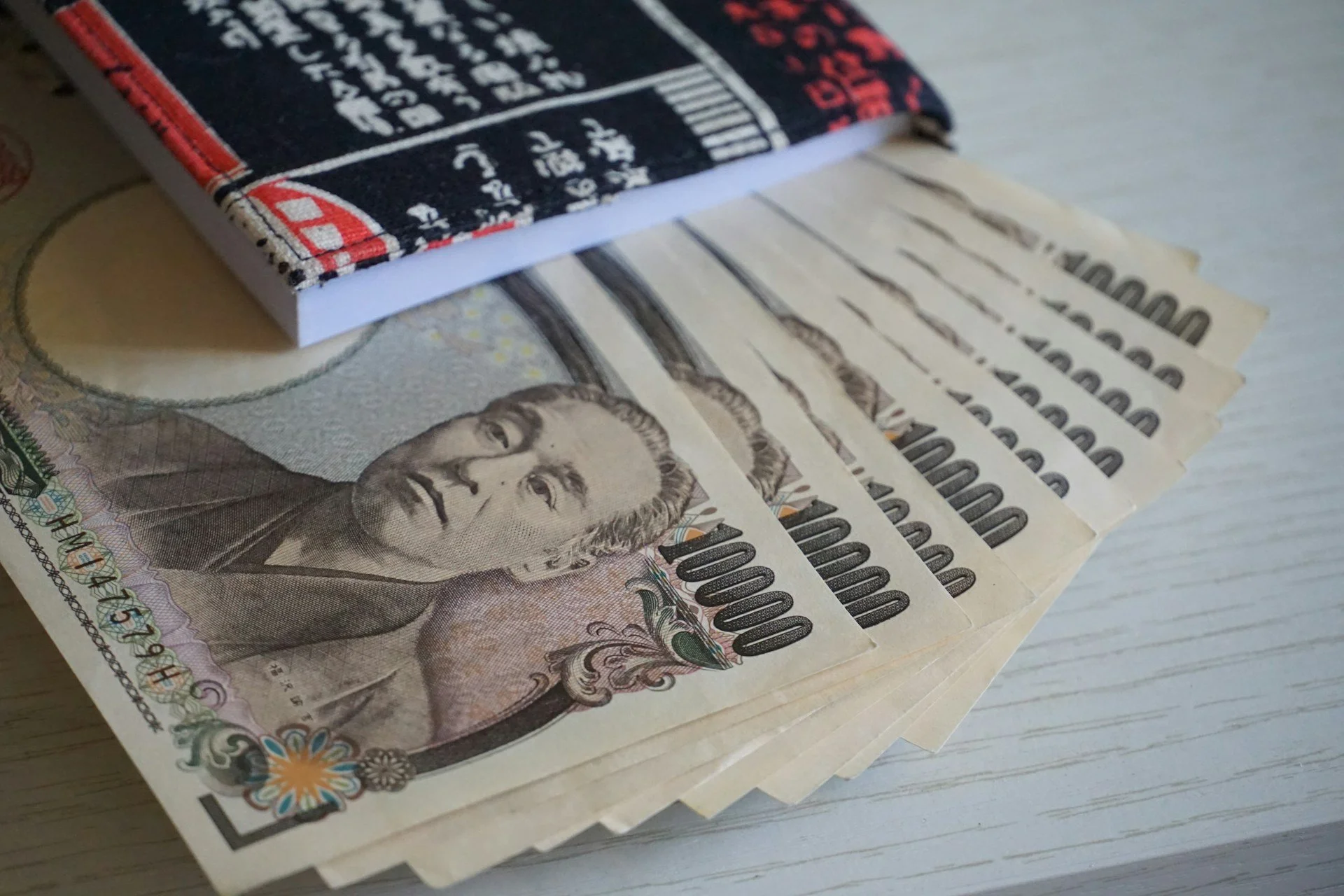
Japanese Yen (Unsplash/Cullen Cedric)
The story is as much about supporting an important ally as it is the U.S. own economic interests.
One concern was Japan could sell U.S. treasuries to prop up the yen, which would have put pressure on already high U.S. interest rates at a politically sensitive time ahead of the November mid-term elections. A disorderly decline in the Yen also risked adding to global financial market volatility. At the same time, a stronger yen supports a favorable exchange rate for U.S. goods exports to Japan – always a priority for President Trump.
Treasury Secretary Scott Bessent’s role is also worth noting. Before entering government, he developed deep expertise in Japanese markets and macroeconomics during his investment career. As Treasury Secretary, he has maintained close engagement with Tokyo, holding regular meetings with Japanese finance officials on exchange rates, financial stability, and implementation of the broader U.S.-Japan economic agreement. In May, Bessent met Economy Minister Akazawa to advance strategic investment initiatives in key sectors such as energy and critical minerals.
What does it mean for business?
The intervention also has implications for the $550 billion U.S.-Japan investment framework announced in July 2025.
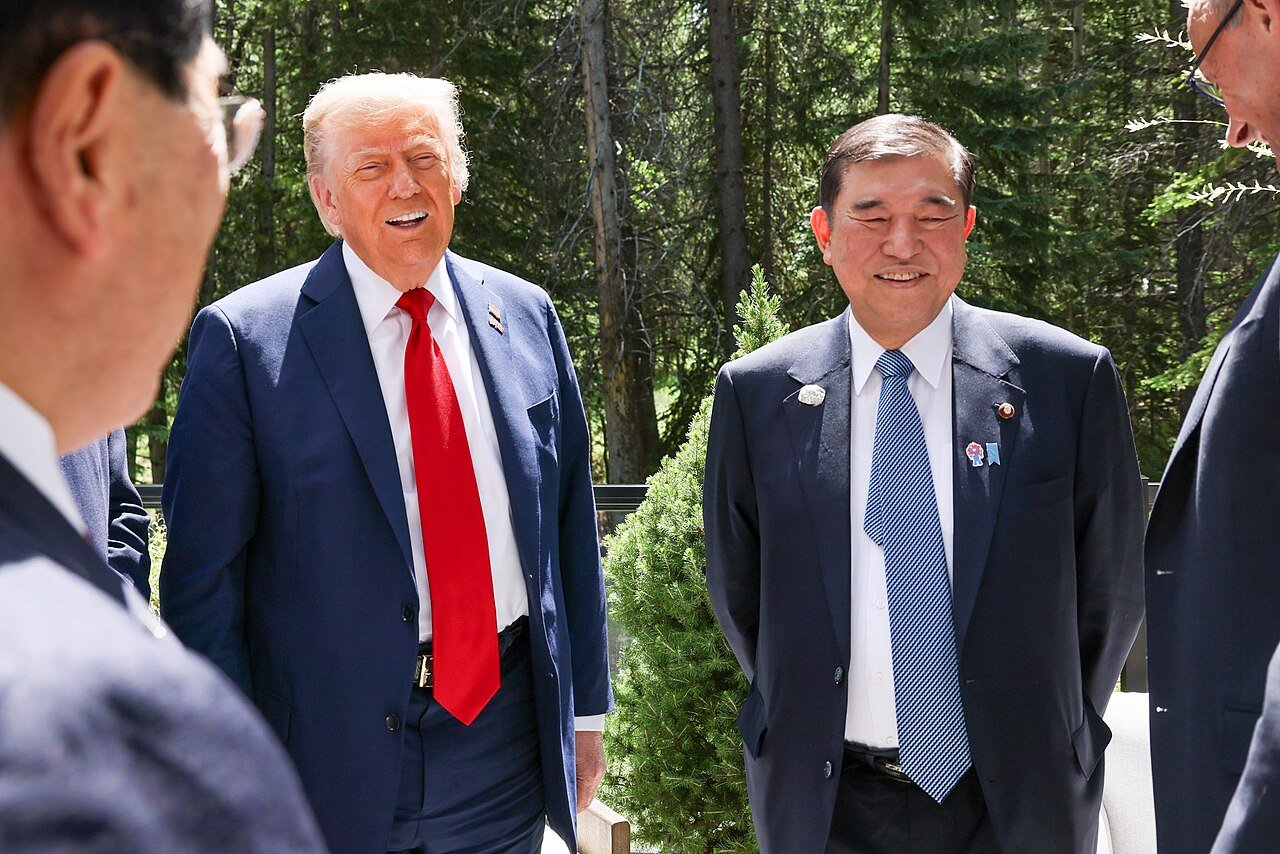
A former meeting between U.S. President Donald Trump and Prime Minister Shigeru Ishiba, during their visit to Canada to attend the G7 Kananaskis Summit Meeting, June 16, 2025 (Wikimedia/Cabinet Public Relations Office of the Cabinet Secretariat)
.jpg)
The intervention also has implications for the $550 billion U.S.-Japan investment framework announced in July 2025.
A persistently weak yen makes it more difficult for Japanese companies and financial institutions to Finance large overseas investments. Stabilizing Japan's currency helps preserve Tokyo's capacity to deploy capital into U.S. priorities, including semiconductors, advanced manufacturing, critical minerals, energy infrastructure, shipbuilding, and supply chain resilience. Given the strategic and political importance both governments have attached to the Investment Framework, maintaining Japan's financial capacity to invest is an important element of the broader bilateral economic relationship.
So a key issue for the U.S. business community to watch is whether the investment framework translates into real capital deployment.
More broadly, the joint intervention is a leading indicator on the Trump administration’s views on the importance of the U.S.-Japan strategic economic partnership. Financial stability, industrial policy, allied investment, and domestic political priorities are becoming increasingly interconnected.
And for American travelers, a stronger yen means Tokyo and the rest of Japan just became a little less of a bargain vacation.
Published by Basilinna Institute. All rights reserved.
Dive deeper
Explore more insights by Basilinna