

The U.S.-China Relationship in the Months Ahead
In the wake of the Trump-Xi Summit in Beijing, Basilinna's leading China experts respond to the question: which new stabilizing forces—or points of friction—are most likely to shape the U.S.-China relationship in the months ahead?
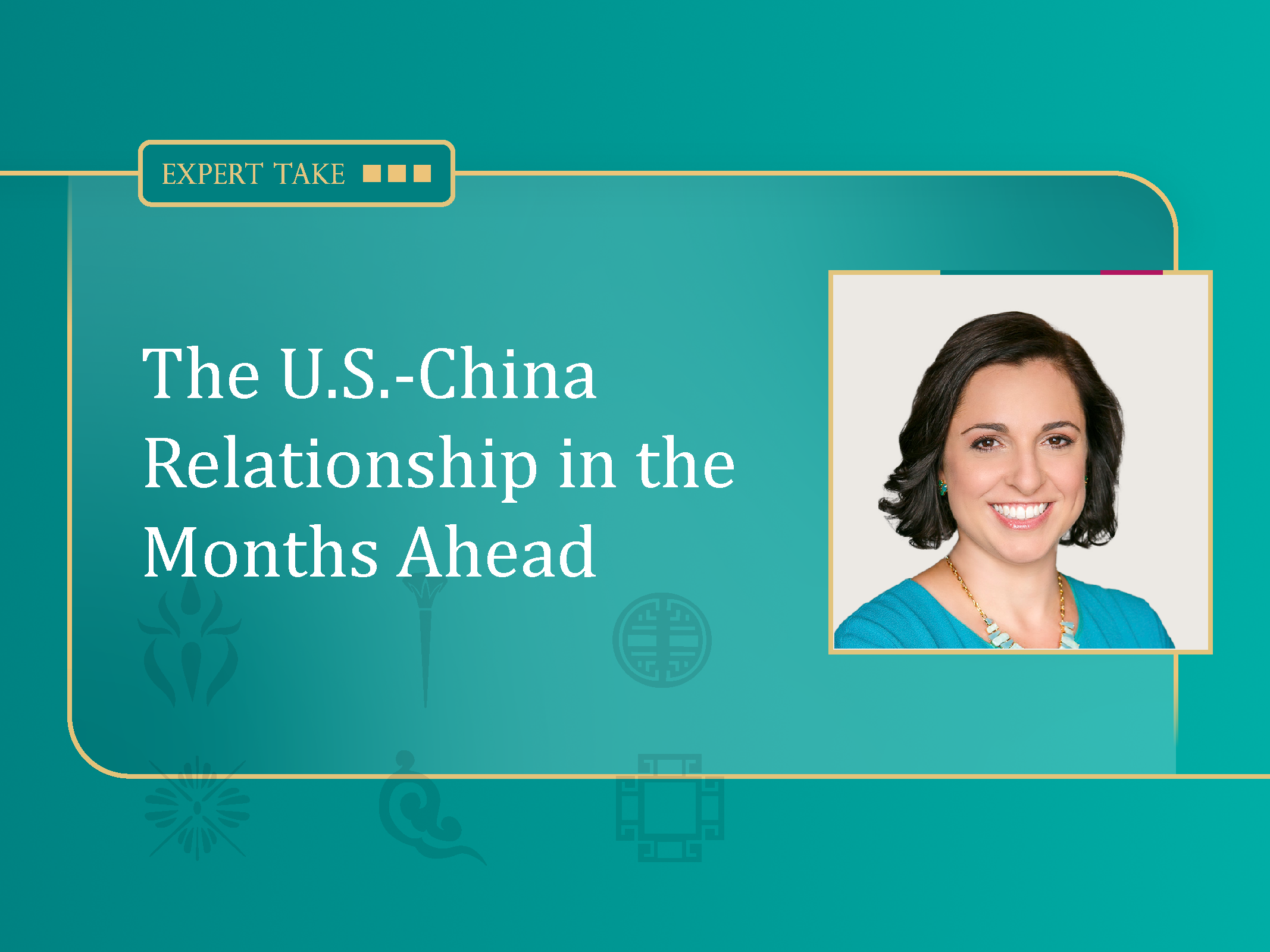
By Chynna Hawes
June 17, 2026
One impactful stabilizer or potential point of friction will be state and local relations, particularly in the U.S. We've seen recently how industries with no apparent national security concern can attract negative political scrutiny because they raise local concerns around economic competition.
There are a lot of questions around how the Board of Investment will operate – one impactful stabilizer or potential point of friction will be state and local relations, particularly in the U.S. We've seen recently how industries with no apparent national security concern can attract negative political scrutiny because they raise local concerns around economic competition.
Some of these Chinese firms were at the state dinner in Beijing, including Fuyao glass. Chinese industries and companies that get an all clear from the Board of Investment may still face public push back and political scrutiny that could be disruptive to the broader relationship. That risk will only increase as we get closer to the November midterms — and the September visit by President Xi to the U.S.

Chynna Hawes
Senior Vice President
Explore more
Insights from this series featuring Basilinna’s experts on biodiversity and nature finance

Published by Basilinna Institute. All rights reserved.