

The U.S.-China Relationship in the Months Ahead
In the wake of the Trump-Xi Summit in Beijing, Basilinna's leading China experts respond to the question: which new stabilizing forces—or points of friction—are most likely to shape the U.S.-China relationship in the months ahead?
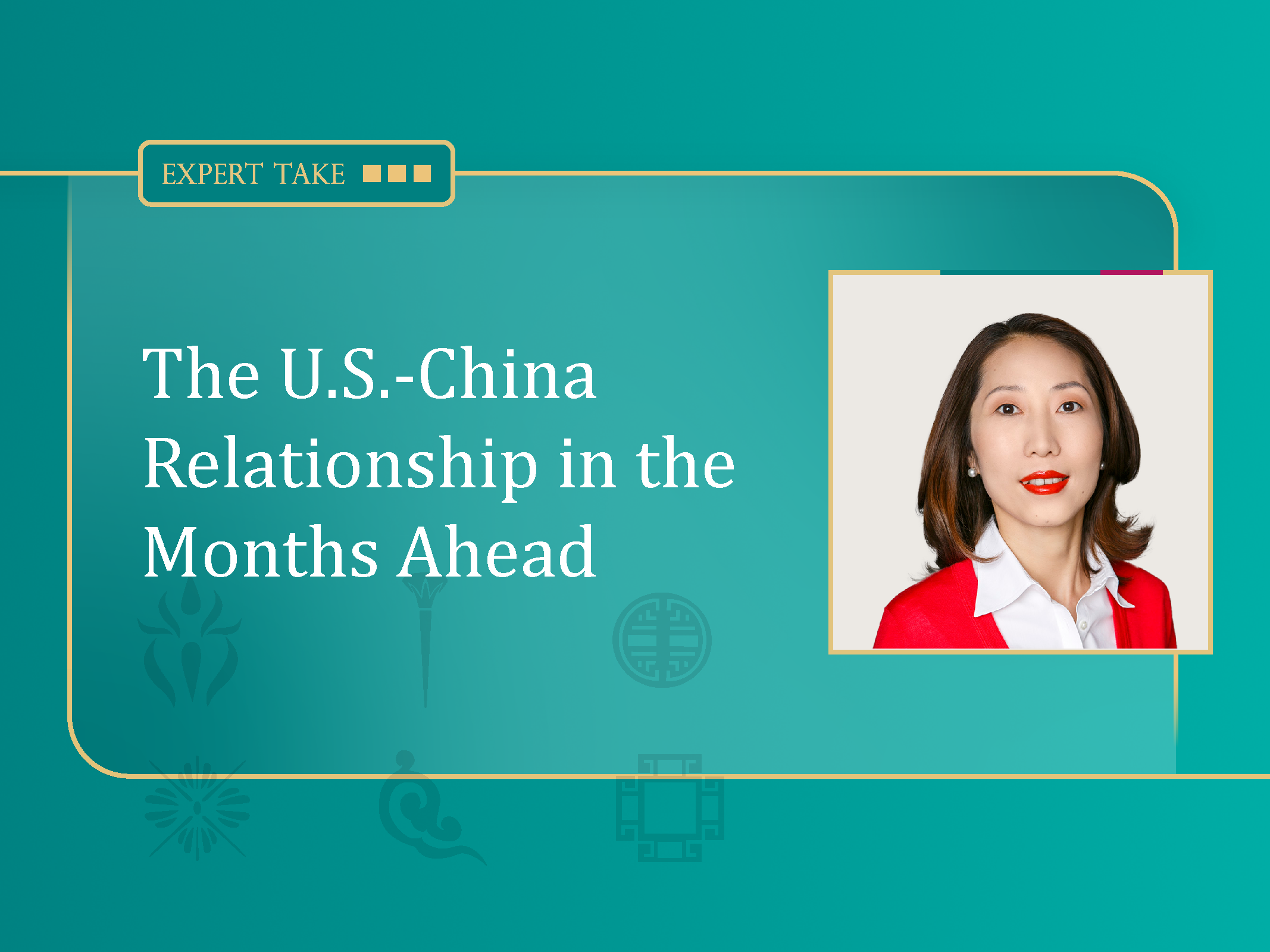
By Ruihan Huang
June 17, 2026
While the Trump–Xi meeting has temporarily stabilized U.S.–China relations, the durability of the current thaw will likely be tested in the coming months.
While the Trump–Xi meeting has temporarily stabilized U.S.–China relations, the durability of the current thaw will likely be tested in the coming months.
Key friction points include pending Section 301 investigations, potential congressional action on export controls, Taiwan-related measures, and China’s management of rare earth exports.
November could prove particularly important, as the expiration of the current trade truce may force both sides to decide whether to extend existing understandings or reintroduce trade pressure. Continued leader-level engagement may help manage these differences, but stabilization should not be mistaken for resolution.

Ruihan Huang
Director
Explore more
Insights from this series featuring Basilinna’s experts on biodiversity and nature finance

Published by Basilinna Institute. All rights reserved.