

The U.S.-China Relationship in the Months Ahead
In the wake of the Trump-Xi Summit in Beijing, Basilinna's leading China experts respond to the question: which new stabilizing forces—or points of friction—are most likely to shape the U.S.-China relationship in the months ahead?
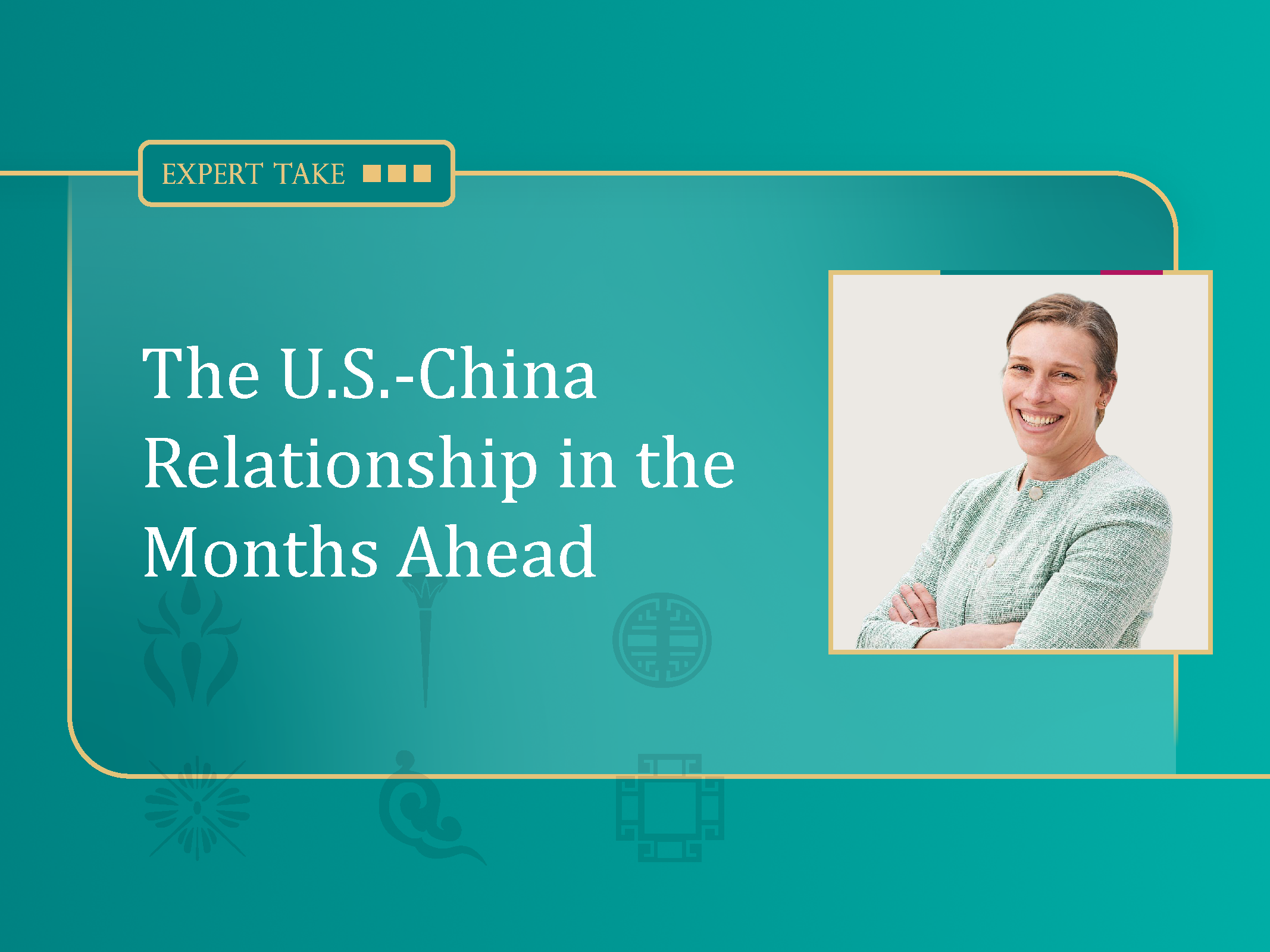
By Leigh Wedell
June 17, 2026
AI may be one of the few domains where both countries fear unconstrained escalation more than they fear engagement itself, even as strategic and commercial competition intensifies.
One potentially stabilizing force in the months ahead is the emerging U.S.-China dialogue on AI governance and risk management.
AI may be one of the few domains where both countries fear unconstrained escalation more than they fear engagement itself, even as strategic and commercial competition intensifies.
While the United States currently maintains a significant lead, China is mobilizing enormous state and private-sector resources to close the gap — reinforcing the sense that AI is becoming the defining arena of great power competition.
Unlike Taiwan or trade, there may still be room for narrow understandings around crisis communications, model safety, cyber boundaries, or military AI norms, suggesting that Cold War analogies may not be entirely misplaced after all.

Leigh Wedell
President and COO
Explore more
Insights from this series featuring Basilinna’s experts on biodiversity and nature finance

Published by Basilinna Institute. All rights reserved.