Tech and Trade Strategic Insights: Beyond the Headlines
The following are strategic takeaways for business and what we’re watching, a sample of our full bi-weekly insights covering the intersection of technology, trade, and global business.
For the full insight contact Jake E. Jennings.
July 7, 2026

Strategic Takeaways for Business
USMCA Uncertainty Opens Annual Advocacy Window
The shift to annual reviews converts a fixed 16-year renewal cycle into a recurring enforcement process, with USTR publicly committed to ongoing engagement on the agreement’s shortcomings across digital trade, intellectual property, and regulatory barriers not just trade deficits. Companies should treat USTR engagement as a standing function, filing comments and maintaining advisory committee participation as bilateral negotiations develop, rather than waiting for tariff exposure to force the conversation.
Forced-Labor Enforcement Becomes Tariff Strategy
With USTR proposing tariffs of up to 12.5 percent on 60 economies based on labor enforcement gaps, importers must map country and supplier exposure immediately. Importers should map country and supplier exposure as labor-enforcement gaps increasingly shape duties, sourcing choices and trade advocacy across major markets.
U.S.-India Trade Pact Ties Tariff Relief to Digital Rules
With a temporary tariff deadline approaching later this month, companies operating in or sourcing from India should prepare for imminent shifts across goods tariffs and data-flow regulations. A finalized phase-one agreement will likely lock in preferential market access for India relative to economies facing active Section 301 scrutiny, requiring firms to rapidly adjust their regional sourcing and pricing strategies to capitalize on the new terms.
AI Sovereignty Emerges as a Commercial Procurement Mandate
Commerce’s ability to abruptly suspend and restore frontier model access confirms that proprietary AI dependency is now a direct supply chain and continuity risk. Companies must treat AI sovereignty as a core enterprise requirement, not just a geopolitical one, accelerating the shift toward open-weight and hybrid architectures that guarantee corporate control over proprietary data, intellectual property, and model weights rather than outsourcing them to a concentrated group of closed labs.
FCC Security Controls Reshape Subsea Cable Infrastructure Licensing
The expanded oversight of submarine cables and legacy communications equipment makes component security a primary factor in infrastructure approvals. Operators should audit subsea and surveillance networks for Chinese hardware, as the agency is establishing a structural divergence in regulatory treatment. Compliance with the new security standards enables expedited application processing, while the presence of Covered List components or restricted landing sites triggers a presumption of denial and extended regulatory review.
FERC Orders Put Data Center Siting on a 60-Day Clock
FERC’s directive forcing six regional grids to justify their large-load interconnection rules accelerates the collision between AI infrastructure growth and grid constraints. Data center investors must incorporate evolving interconnection rules, cost allocation, and backup-power obligations into site selection now, before the mid-August FERC responses reset regional interconnection economics.
What We’re Watching
U.S.-China Tariff Test Nears Deadline
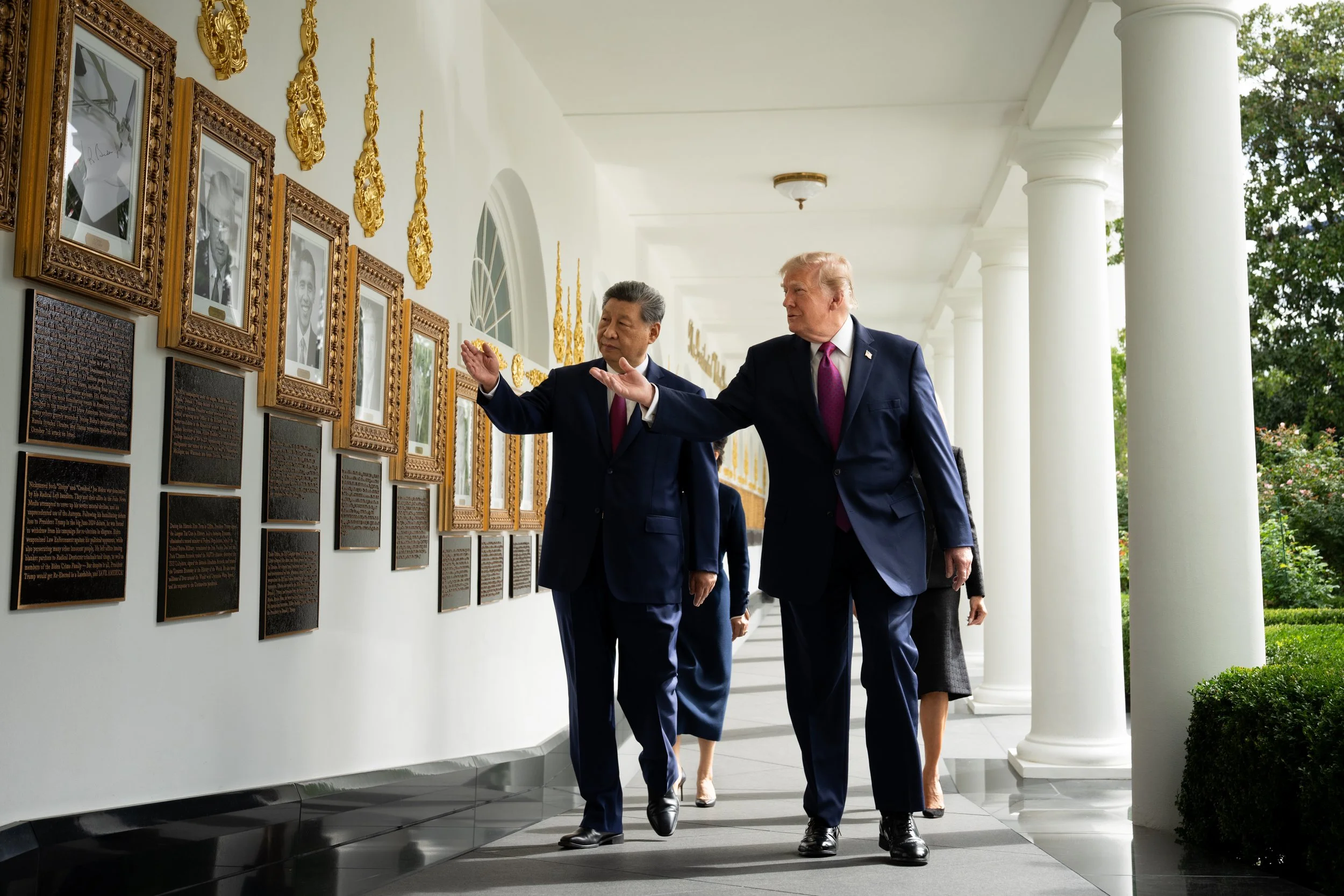
USTR’s July 10 comment deadline on tariff reductions covering roughly $30 billion in non-sensitive Chinese imports will test how much relief the new U.S.-China Board of Trade could deliver under the mechanism agreed at the Trump-Xi summit.
USMCA Talks Enter Third U.S.-Mexico Round
U.S.-Mexico negotiations are set to resume the week of July 20, while formal U.S.-Canada talks have yet to begin, putting the pace and scope of the bilateral tracks in focus as the USMCA process advances.
USTR Forced-Labor Tariff Decision Approaches
Following the July 7 public hearing, USTR could issue its final Section 301 tariff determination in the coming weeks, setting the next enforcement step in the forced-labor investigation.
U.S.-India Trade Deal Faces July Test
The Trump administration and India could finalize a trade deal in the coming weeks or months, but New Delhi is seeking a clear edge over rivals before a remaining 10% U.S. tariff expires July 24, with President Trump’s planned 2027 visit adding pressure for progress.
Iran Talks Put Hormuz Access in Focus
The next phase of U.S.-Iran talks could determine whether the Strait of Hormuz remains free of tolls and fees, as Oman weighs new shipping charges and Iran signals free insurance may last only about 60 days.
Trump Administration Weighs Memory Chip Response
The Trump administration could decide whether to pursue market intervention, extend tax breaks for U.S. output, or seek consumer tax relief as AI demand strains supply, with industry pressing officials to preserve long-term purchase agreements and avoid price or capacity controls.
FERC Grid Review Heads Toward August Close:
FERC’s 60-day review is set to close in mid-August and could shape how data center interconnection costs and backup power obligations are allocated, with implications for future grid access and large-load development.
Published by Basilinna Institute.More Insights by Basilinna