The U.S.-China Relationship in the Months Ahead
In the wake of the Trump-Xi Summit in Beijing, Basilinna's leading China experts respond to the question: which new stabilizing forces—or points of friction—are most likely to shape the U.S.-China relationship in the months ahead?
By Deborah Lehr, Leigh Wedell, Gracie Sun, Chynna Hawes, Kendra Schaefer, and Ruihan Huang
June 17, 2026

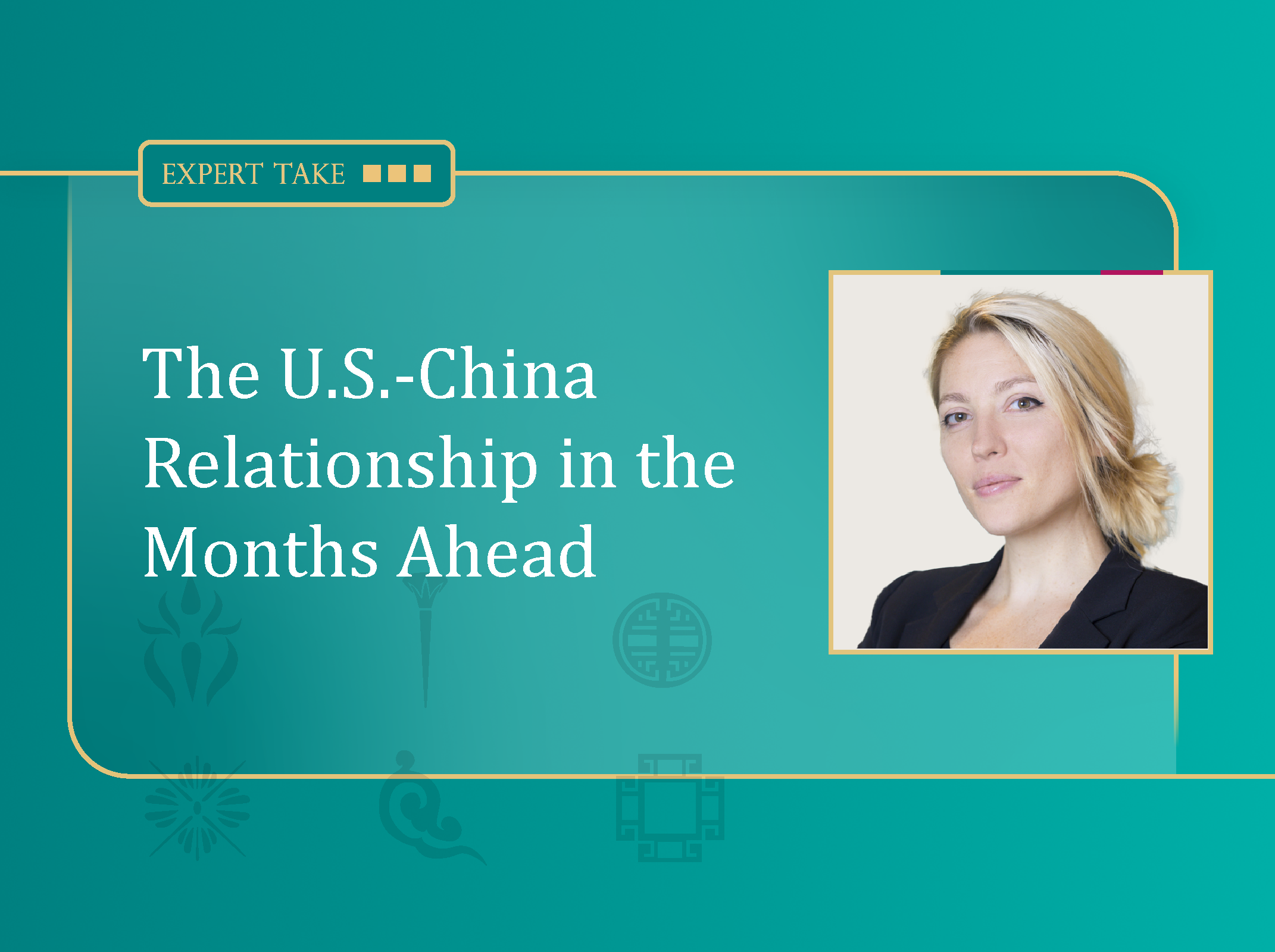
Deborah Lehr outlines why the current phase of the U.S.–China relationship is less about a dramatic reset and more about managed instability. She highlights a shared interest in predictability and the role of new bilateral mechanisms—like trade and investment boards—in containing escalation. At the same time, she underscores the deeper structural tensions that will persist, from AI and advanced semiconductor controls to Taiwan and critical minerals. Lehr previews a dynamic defined by sustained competition, moderated by communication channels designed to prevent crisis.
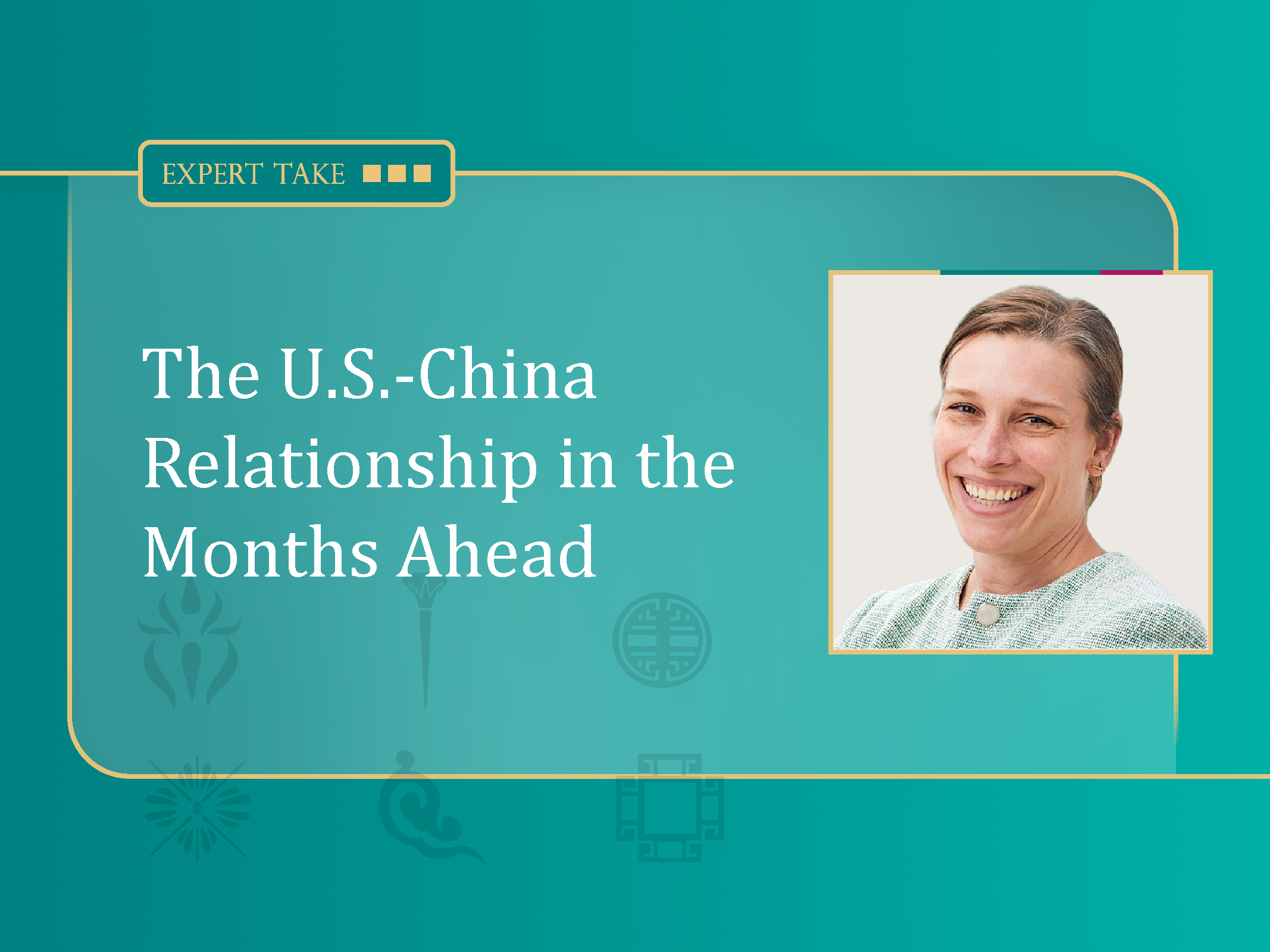
Leigh Wedell explores AI as a potentially stabilizing—and uniquely shared—area of concern within the broader rivalry. She suggests that, unlike trade or geopolitics, AI governance may create limited openings for coordination, particularly around risk mitigation and crisis management. At the same time, Wedell underscores that AI is rapidly becoming a core domain of strategic competition, with China mobilizing significant resources to narrow the gap. Her perspective frames AI as both a pressure point and a rare channel for dialogue.
Gracie Sun centers attention on the geopolitical calendar and its implications for stability, particularly President Xi’s upcoming U.S. visit and appearances on the global stage. She identifies key developments to watch, including tariff deadlines and outcomes from U.S. trade investigations, while emphasizing that Taiwan remains China’s foremost concern. Sun’s perspective frames the months ahead as a critical window in which diplomatic events and policy decisions will shape the trajectory of bilateral relations.
Chynna Hawes focuses on the uncertainty surrounding how new investment review structures will function in practice. She points to state and local dynamics in the U.S. as an underappreciated variable—where even non-sensitive sectors may face backlash tied to economic or political concerns. Hawes emphasizes that companies cleared at the federal level could still encounter resistance that complicates bilateral ties, particularly as political pressures intensify ahead of key moments like midterm elections and high-level visits.
Kendra Schaefer highlights mutual gridlock as an overlooked but meaningful stabilizer in the near term. After sustained rounds of escalation, both countries are recalibrating and strengthening their positions before taking further action. She points to China’s expanding use of regulatory and legal tools as the next likely source of friction, warning that U.S. actors may be less prepared for these tactics. Her preview suggests the next phase of tension may emerge less from tariffs and more from asymmetric regulatory moves.
Ruihan Huang examines the durability of the current stabilization following recent leader-level engagement. While tensions have temporarily eased, he identifies several near-term stress points, including Section 301 investigations, export control debates, Taiwan-related actions, and rare earths policy. Huang highlights November as a potential turning point, when existing arrangements may expire, forcing both sides to reassess their approach. His preview stresses that stabilization remains fragile and contingent rather than permanent.
Published by Basilinna Institute. All rights reserved.
Dive deeper
Explore more of our insights on Asia-Pacific and beyond